
How to Find an Authentic Tea Ceremony Experience in Japan?
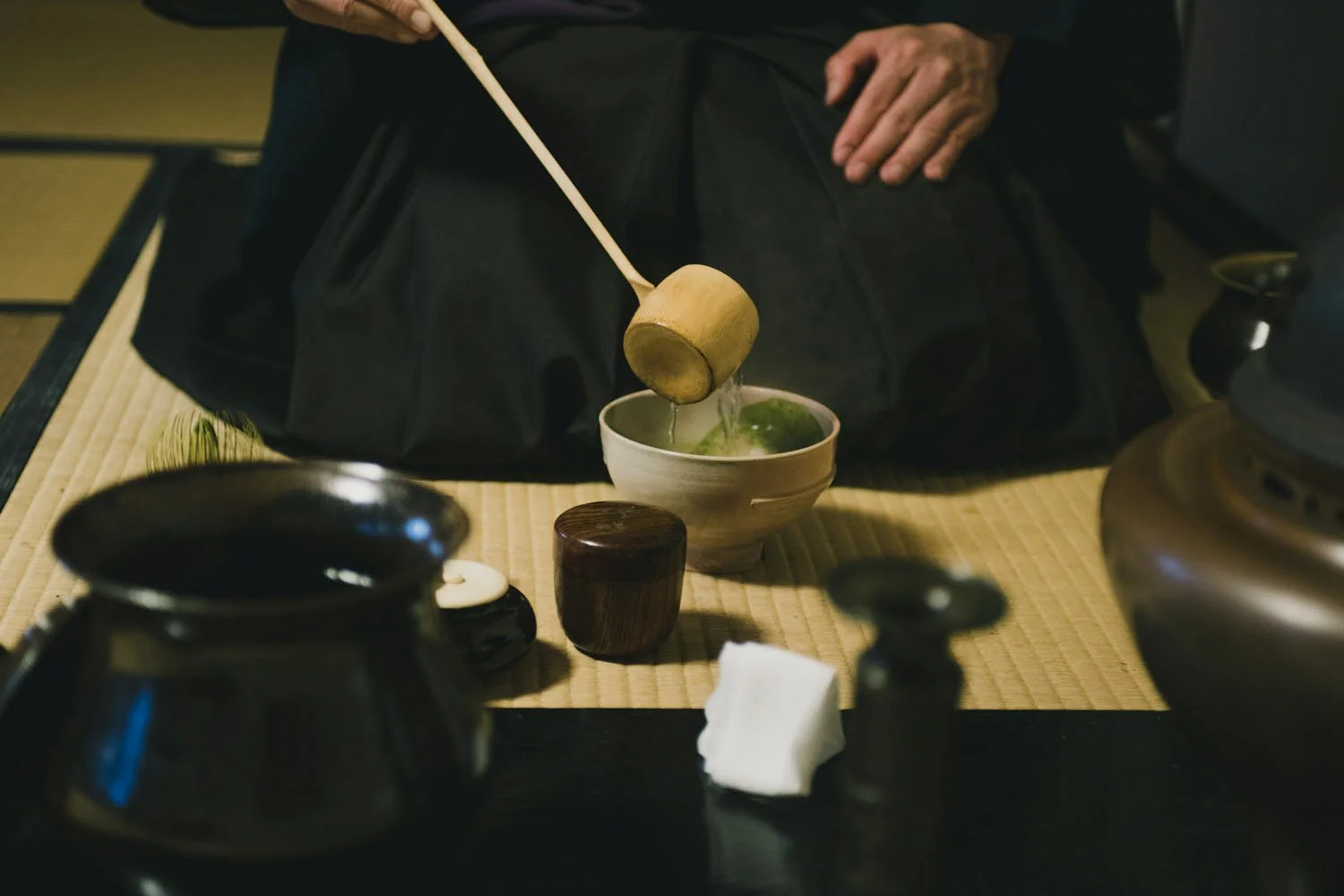
Learn the rituals of samurai tea ceremony from a fifth-generation tea master
Like many present-day Japanese cultural practices, tea ceremony (or sado, in Japanese) originated from Zen Buddhist traditions dating as far back as the year 815, and is considered one of the official classical arts of Japan.
Similar to other classical arts such as ikebana, tea ceremonies are led by masters, with each school possessing their own unique philosophy embodied in its teachings. These masters then host highly ritualized events, or tea ceremonies, centered around serving matcha. Often paired with wagashi sweets and with every minuscule detail prepared in advance—the selection of the scroll, the tea utensils used, the attire of the host—tea ceremony is all about creating a once-in-a-lifetime encounter rooted in hospitality and harmony.
While seemingly simple on the surface, it is a practice of intense depth and detail. However, due to the increasingly global interest in matcha and the number of tourists visiting Japan, there are countless “tea ceremony experiences” being marketed that fall short—and shallow—more a tourist trend than an authentic cultural practice. Tea and treats may be served, but that’s often where the similarities end.
If you’re looking for an authentic tea ceremony experience in Japan, one that fosters the foundational core of tranquility and respect, there are a number of things to check for to ensure that your tea ceremony is a genuine experience.
Understanding Japanese Tea Ceremonies
Sado can seem inscrutable for first-time visitors to Japan, who look and all they can see is people drinking tea together. However, the cultural context of the Japanese tea ceremony is far richer; the more you experience it, the richer the complexities you can discover, which is why it’s so important to experience an authentic tea ceremony instead of one of artificial origins.
In tea ceremony, every detail is important, selected to convey respect to the guests and a keen awareness of the atmosphere–even the architecture of the tea room itself. Scrolls are hung to match the season and occasion. Flowers are displayed with a story in mind. A tea cup is prepared for each guest, often made by a famed artisan, and paired with fresh wagashi treats that embody the region or the season.
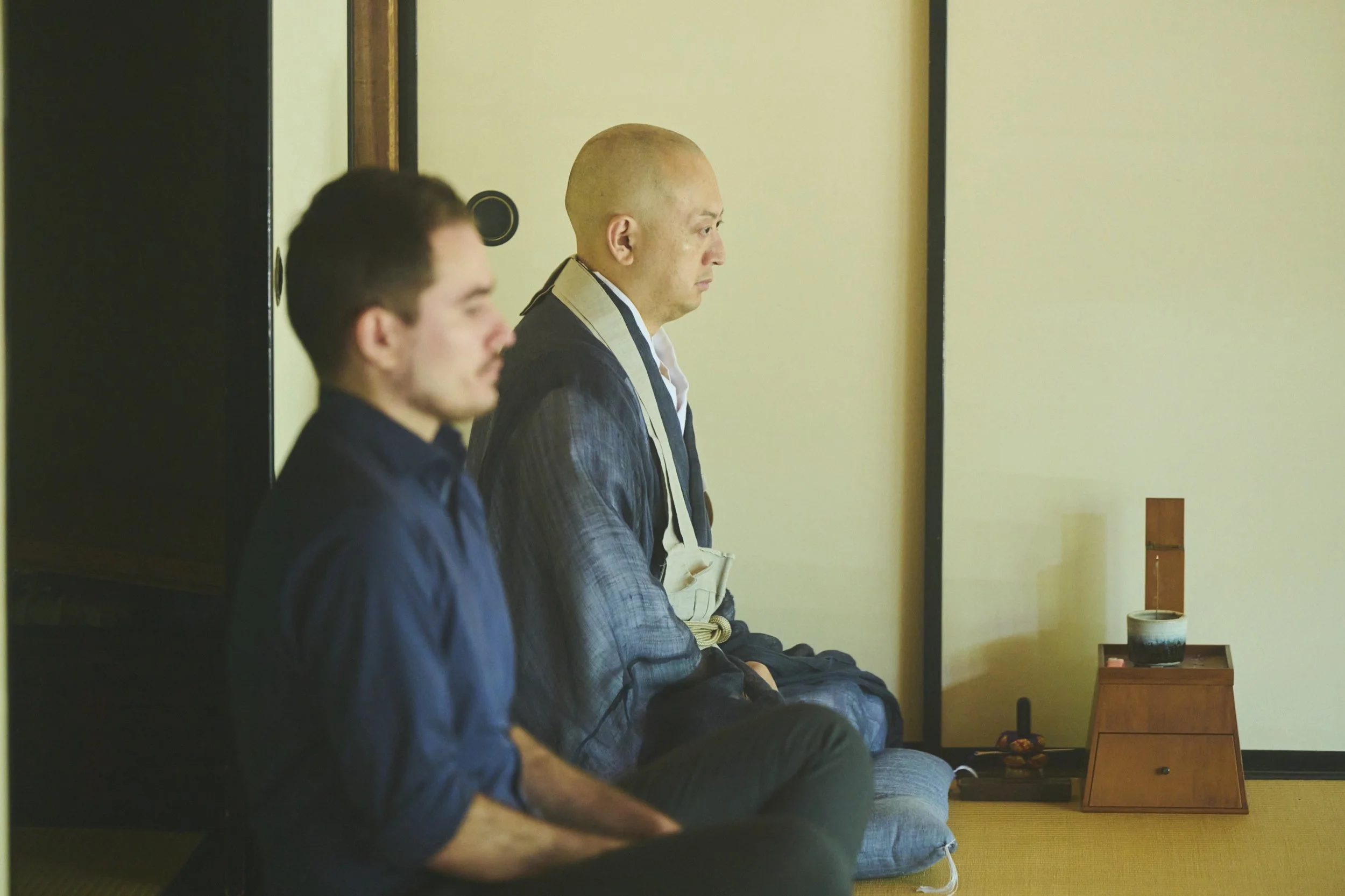
A cultural form rooted in Buddhism, tea ceremony also contains a meditative aspect: like zazen, it’s intended to root you in the passing moment. All of this rich depth exists, but requires a tea master to convey.
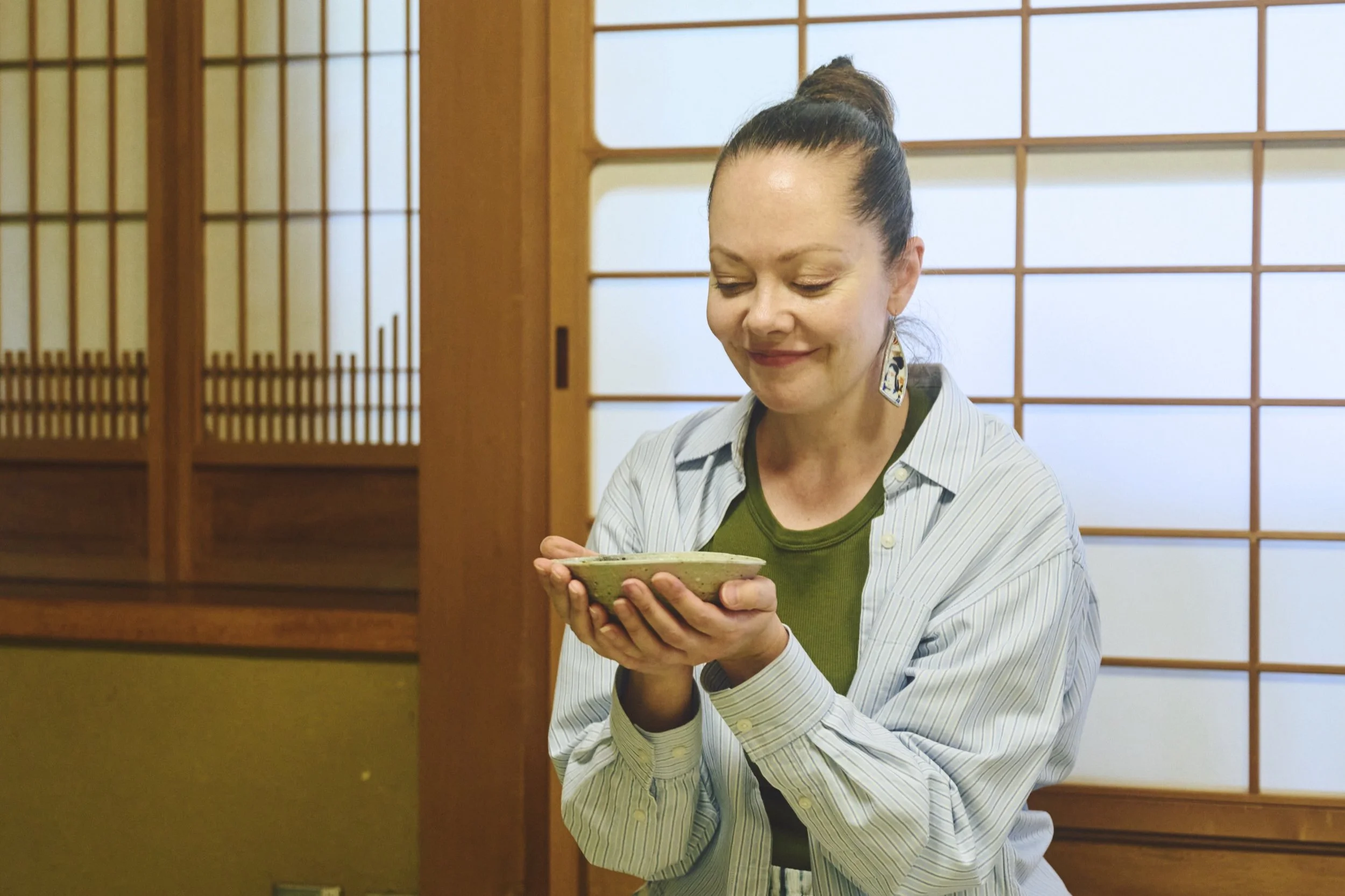
Soak in the peaceful atmosphere of a temple tea room with the head monk tea master
What to Look for in Tea Ceremony Experiences in Japan?
When looking for a tea ceremony experience in Japan, it’s important to have a general idea of not only the look, but also the feel of the environment in which the ceremony is being held. Traditional and authentic tea ceremonies are often held in Japanese as machiya (traditional wooden houses) or in Buddhist temples. More recently, however, some are held in cultural centres, while other times a tea ceremony instructor may have a room in their own home converted into a tea room in order to host and teach.
In addition to being an instructional class, Japanese tea ceremonies also embody the core Zen philosophies of mindfulness and simplicity. When experiencing a tea ceremony, there should be a dedicated chashitsu (tea room) with a tatami mat (traditional Japanese flooring), supporting a serene and calming environment for the activity. This structure has been shaped for centuries, by monks and samurai alike, and retains some of the core values of tea ceremony within its design.
Who is Leading the Tea Ceremony Experience?
Ensuring the facilitator of the activity is well-versed in the craft is essential to an authentic tea experience. Sado facilitators are also known as the tea masters. They are responsible for curating the ceremony, facilitating and explaining each step of the way, and explaining the purpose and use of the tools provided (i.e the tea bowls, tea whisks, etc). While each school may have a slight variation in its philosophy, most of the tools used are similar in style.
Therefore, an easy way to determine if the tea ceremony experience is authentic is to inquire about the school of tea ceremony the master practices. Aside from the most popular tea ceremony schools —Urasenke, Omotesenke, and Mushakojisenke—a whole range of other variations exist, from Enshu to Yabunouchi, among others. Most tea ceremony schools also have a hierarchical certification level, with only a certain level licensed to instruct.
What are the Types of Tea Ceremonies?
Full-length tea ceremonies, called chaji, are a full-day affair, often taking up to 4 hours and offering “kaiseki” as an addition to the experience. Kaiseki are Japanese-style, seasonal course meals which were historically served prior to tea ceremonies in Japan, ensuring no one enters the experience with an empty stomach.
However, there are also shorter versions of tea ceremony experiences, called chakai (short tea gathering), which includes a wagashi (Japanese sweet) tasting. Both options can be considered authentic, but neither tea ceremony experience will try to rush you, as some inauthentic providers might attempt, rushing you out right as soon as your tea is finished. In either version of a true tea ceremony, the focus is on making a moment and crafting a curated atmosphere: the hosts should highlight the tea utensils, prepare the tea step by step, and allow guests to savor the moment.
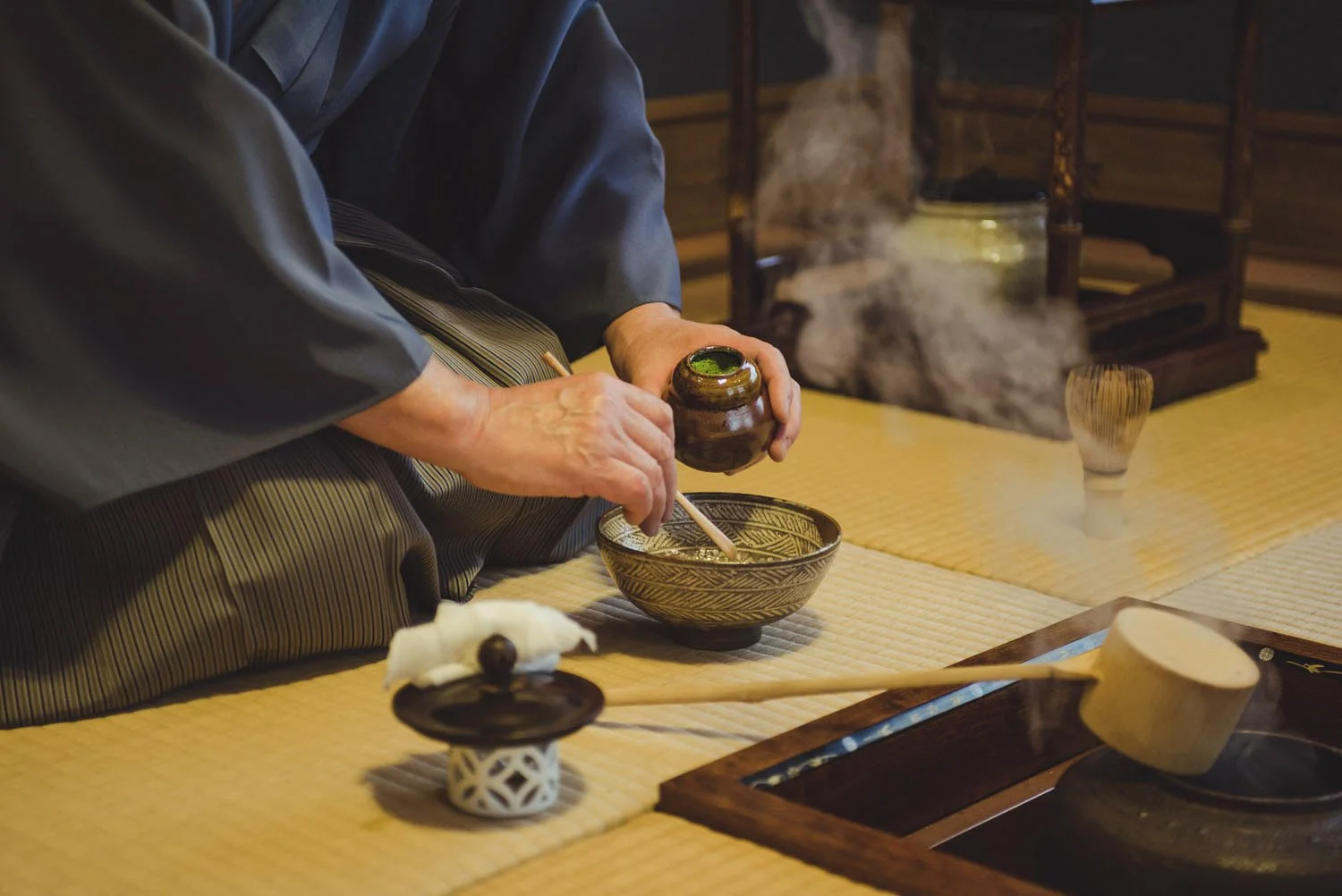
Calm your spirit with the ancient ritual of samurai-style tea ceremony.
Where to Find Tea Ceremony Experiences in Japan?
While tea ceremonies are available in large capacities across the country, such as tea ceremony experiences in Tokyo, Japan’s tea-centric locations are also likely to hold the ceremony in its traditional forms. The cities of Kyoto and Uji, known for their high-quality green tea, are also famed as the heart of Zen Buddhism in Japan. With over 1,000 Buddhist temples across both locations, there is a rich intermingling of both tea and Buddhist traditions available to experience together in the form of a tea ceremony.
If you are traveling west of Japan to Kanazawa—a town with a deep samurai culture, and home to the most tea schools in the country—you'll find yourself with many tea ceremony experience options to choose from. This popularity is in part due to historical reasons. In the 17th century, Kanazawa’s daimyo lord invited a tea master directly from Kyoto to impart his tea knowledge onto him, eventually spreading the practice’s popularity across the town.
Tea Ceremony Experiences in Japan
Far more than drinking matcha, Japanese tea ceremony experiences infuse intention into every interaction. What may appear minimal on the surface contains designed depth and centuries of context. In a time where “tea ceremonies” are diluted, led by uncertified instructors or programs hoping to capitalize on the matcha craze, it becomes more important than ever to learn how to identify authentic tea ceremony experiences, so that your travels can remain memorable, full of insight, and steeped in genuine culture.
For those looking to enjoy a tea ceremony experience in Japan, operated by professional tea ceremony masters at the top of their school’s ranking, join Deeper Japan in expert-led courses that are designed to immerse you in the structure and style of true sado—from Kyoto temples to Kanazawa tea rooms.
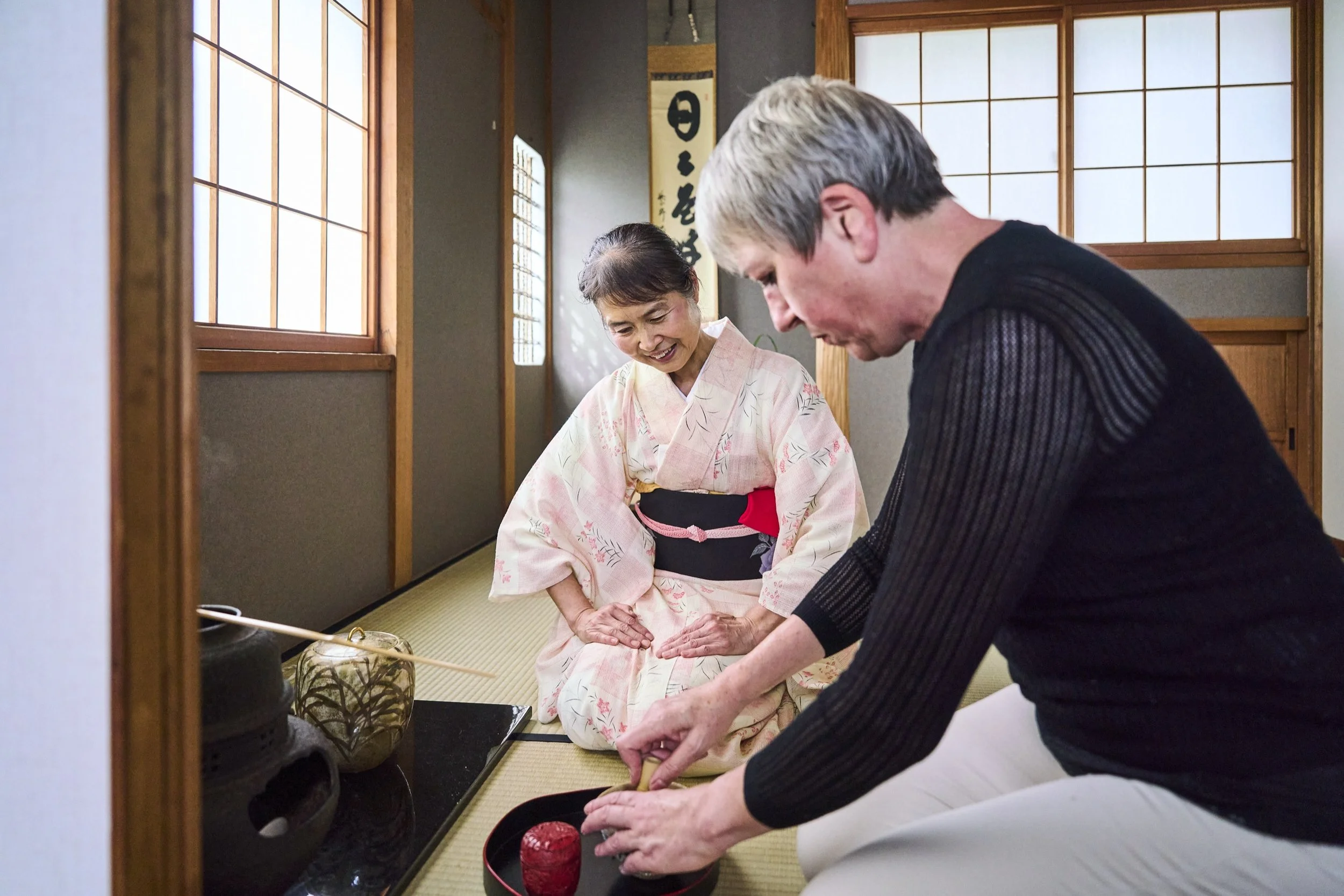
Experience pure hospitality in historic settings with a tea ceremony led by a master.
About the Author: Mishu Callan is a Tokyo-based freelance writer whose work has appeared in The Japan Times and Voyapon. Her work focuses on Japanese travel and culture, with a particular emphasis on the communities, places, and tastes that reveal a lesser-known side of Japan.
FAQ: Tea Ceremony Experience
-
Authentic tea ceremony experiences typically include:
A trained tea master affiliated with a recognized school
A proper tea room (chashitsu) with tatami flooring
A structured, unhurried format
Clear explanations of tools, movements, and philosophy
Experiences that feel rushed or overly simplified often lack these core elements.
-
Yes. Most tea ceremony experiences are designed for beginners and include guidance on etiquette, tools, and the meaning behind each step.
-
For curated, high-quality tea ceremony experiences led by certified masters, providers like Deeper Japan offer access to traditional settings in places like Kyoto and Kanazawa, ensuring a more in-depth and culturally grounded experience.
-
Wear modest, comfortable clothing and socks, as shoes are removed. Avoid strong perfumes or overly flashy outfits.
-
Etiquette centers on respect and attentiveness—arrive on time, handle items carefully, and follow the host’s lead. Movements are quiet and deliberate, with minimal conversation.
-
Ichigo ichie means “one time, one meeting,” reflecting the idea that each tea gathering is a unique, unrepeatable moment.

Gain exclusive access to the world's largest fish market