
Types of Japanese Tea Beyond Matcha and Where to Find Them

Visit an award-winning green tea farm and learn all about tea, from field to cup
Matcha may dominate global headlines, but it represents just a small slice of a more nuanced tea culture. While widely popularized and in demand abroad, matcha is considered a “small luxury” for Japanese locals, and is far from the everyday choice of tea. Most travelers assume matcha is the default, but it’s actually only one of many types of Japanese tea you’ll encounter.
To get a true taste of Japan, explore Japan’s vast range of teas beyond matcha. With unique flavor profiles stemming from local terroir, production methods, and type of ingredient used, learn the diversity that exists in Japan’s tea culture, spanning far wider than just the bold green drink that has taken the world by storm.
What is Matcha, Anyway?
Matcha is, in fact, green tea (ryokucha). The difference between a clear ryokucha (green tea) and matcha lies in its production method. With matcha, tea leaves are ground to create a powder that is a rich green in color, while with green tea, the leaves are steeped and removed. Matcha is also cultivated in the shade prior to harvesting in order to increase the chlorophyll levels, while green tea is left directly under the sun. Matcha has a long-standing history of use in tea ceremonies, and must be whisked during preparation, unlocking a frothy texture and richer flavor.
Beyond just matcha, the expansive variety of types of Japanese tea comes down to how the leaves are grown, processed, and prepared. Even green tea and black tea come from the same plant, highlighting just how crucial production techniques are in cultivating different flavors.

Steep in the thousand-year-old tea culture of Shiga on a guided tea farm tour
Types of Japanese Tea To Drink Instead of Matcha
While matcha’s deep umami flavor and vivid green color make for an iconic beverage, there’s worlds of tea culture & taste to explore in Japan beyond matcha. Experiencing only such a limited subset of the full spectrum means missing out on the range of flavors in Japan. Additionally, matcha’s global popularity is also causing moral conundrums in Japan: prices for local residents are skyrocketing, tea farmers are pressured to abandon their centuries-old cultivation methods to pivot towards matcha production, and countless products are branded as matcha without quite reaching the expected standard of quality.
Many of the most common types of Japanese tea—like sencha, genmaicha, and hojicha—are everyday drinks rather than saved for special occasions. And, since most people in Japan rarely drink matcha in their daily lives, exploring the range of other, everyday tea choices allows for a more nuanced understanding of Japanese culinary culture, from field to cup.
Ryokucha: Green Tea
Japanese green tea forgoes fermentation, using steaming to create a grassier flavor, then dried. Saitama Prefecture produces over 40% of Japan’s green tea, but “green tea” itself is not a single type so much as a broad category encompassing diverse varieties with distinct flavor profiles, much like coffee. The city of Sayama has emerged as a key hub, cultivating notable single-variety teas, including Sayama-Kaori, an aromatic 1971 cultivar with pronounced floral and grassy notes, and Okuharuka, a newer variety characterized by gentle sweetness and layered umami.
Within the category of green tea (ryokucha), several different grades also exist:
Gyokuro: The highest grade of green tea with a high caffeine content and rich umami flavor
Kabusecha: Shaded before picking with a refreshing flavor
Sencha: Steamed young leaves plucked in the first round of harvest
Bancha: Robust, low in caffeine, and made with older leaves
Therefore, even within the category of green tea, there are countless different types of Japanese tea.
Mugi-cha: Barley Tea
Unlike the teas introduced above that are made by tea leaves, mugi-cha is made from roasted barley — and it is the quintessential Japanese summer drink. As refreshing as water, it is uncaffeinated and toasty, and is one of the types of Japanese tea best enjoyed cold. You can also find mugi-cha relatively easily in vending machines and convenience stores, sold bottled, or in tea bags in regular stores.
Soba-cha: Buckwheat Tea
Known for its health benefits, soba-cha is a rich antioxidant tea made from buckwheat seeds. You might be familiar with the soba, which are noodles made from the exact same seed. Similar to mugi-cha, it boasts a nutty, toasted aroma, is uncaffeinated, and can be enjoyed both hot and cold.
Sanpin-cha: Sanpin Tea
Sanpin tea originates from a connection between China and the Ryukyu Kingdom during the trade era of the 15th to 17th century. Also known as sanpin-cha, it is a reinterpretation of what we might know as jasmine tea, which originated in China. Jasmine, a flower that grows in subtropical climates, is blended with green tea to create a floral and refreshing effect. Usually sold cold, Sanpin tea is available in supermarkets and vending machines alike, and the perfect pairing to a hot, beach-filled day, making it an ideal type of Japanese tea for the summer.
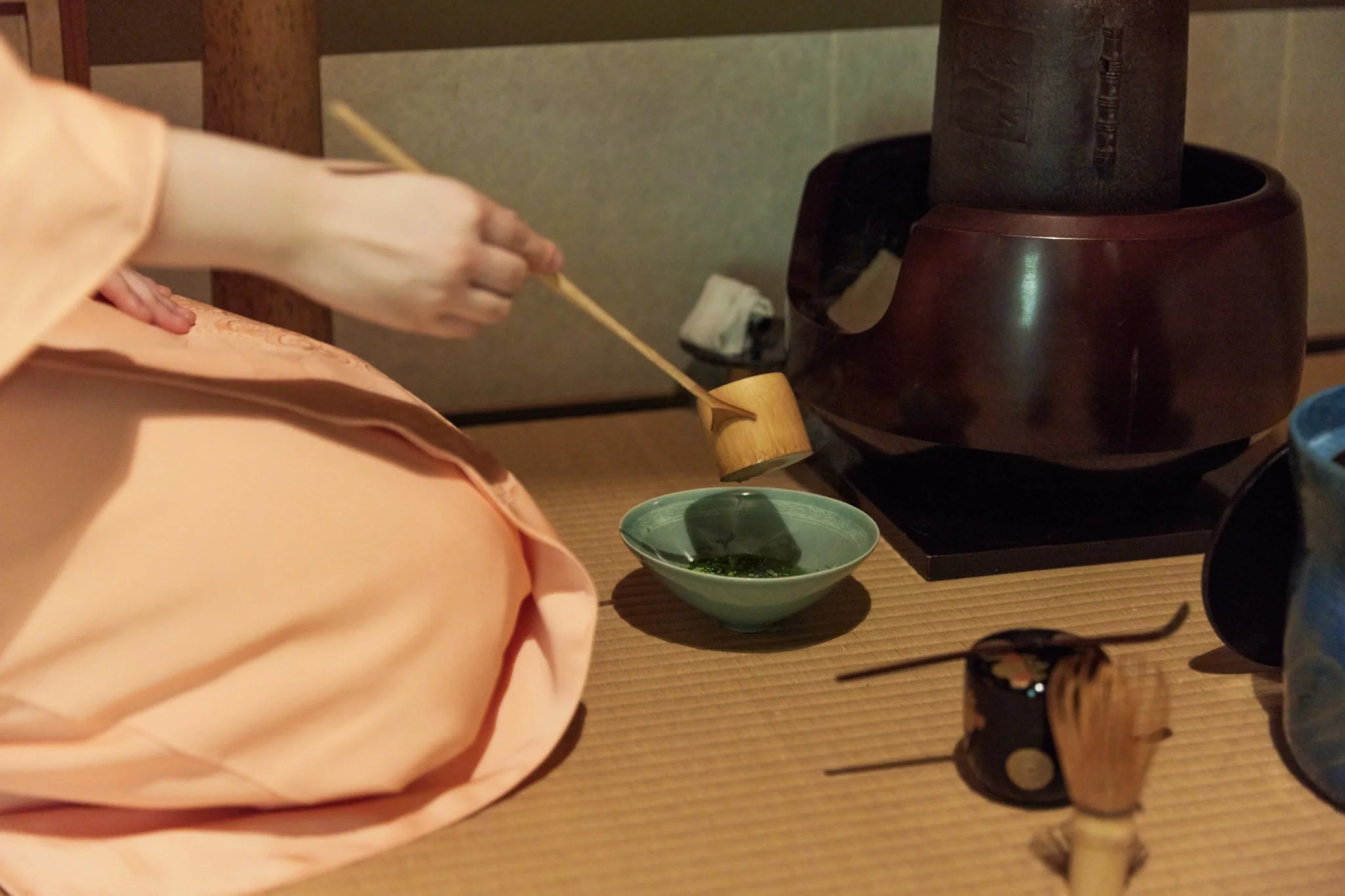
Surrounded by tranquil beauty, experience the art of an Urasenke tea ceremony
Enjoying Different Types of Japanese Tea
Tea in Japan, depending on the context and place in which it is served, can change meaning entirely. For the everyday local, mugi-cha, for example, is simple and hydrating refreshment. But when matcha is enjoyed at a tea ceremony, it is not simply a refreshment, but an element embedded with a philosophy and story.
Aside from the types of Japanese tea described above, there’s still an expansive range of teas (beyond matcha) in Japan to enjoy exploring, including:
Genmaicha
Konacha
Shincha
Kocha
Houjicha
Whether for a special occasion, or just a regular day, there is a type of Japanese tea for every special and ordinary moment during your stay in Japan.
Fully immerse in Japan’s tea culture with a range of cultural experiences designed to give you the full flavor of Japanese culture, from tea tasting sessions led by a tea supplier with over 300 years of history, 3rd-generation tea farmer-led tea farm visits, and even tea ceremony experiences where matcha is the main event. Explore authentic tea experiences in Japan, with professional hosts and guides in your language.
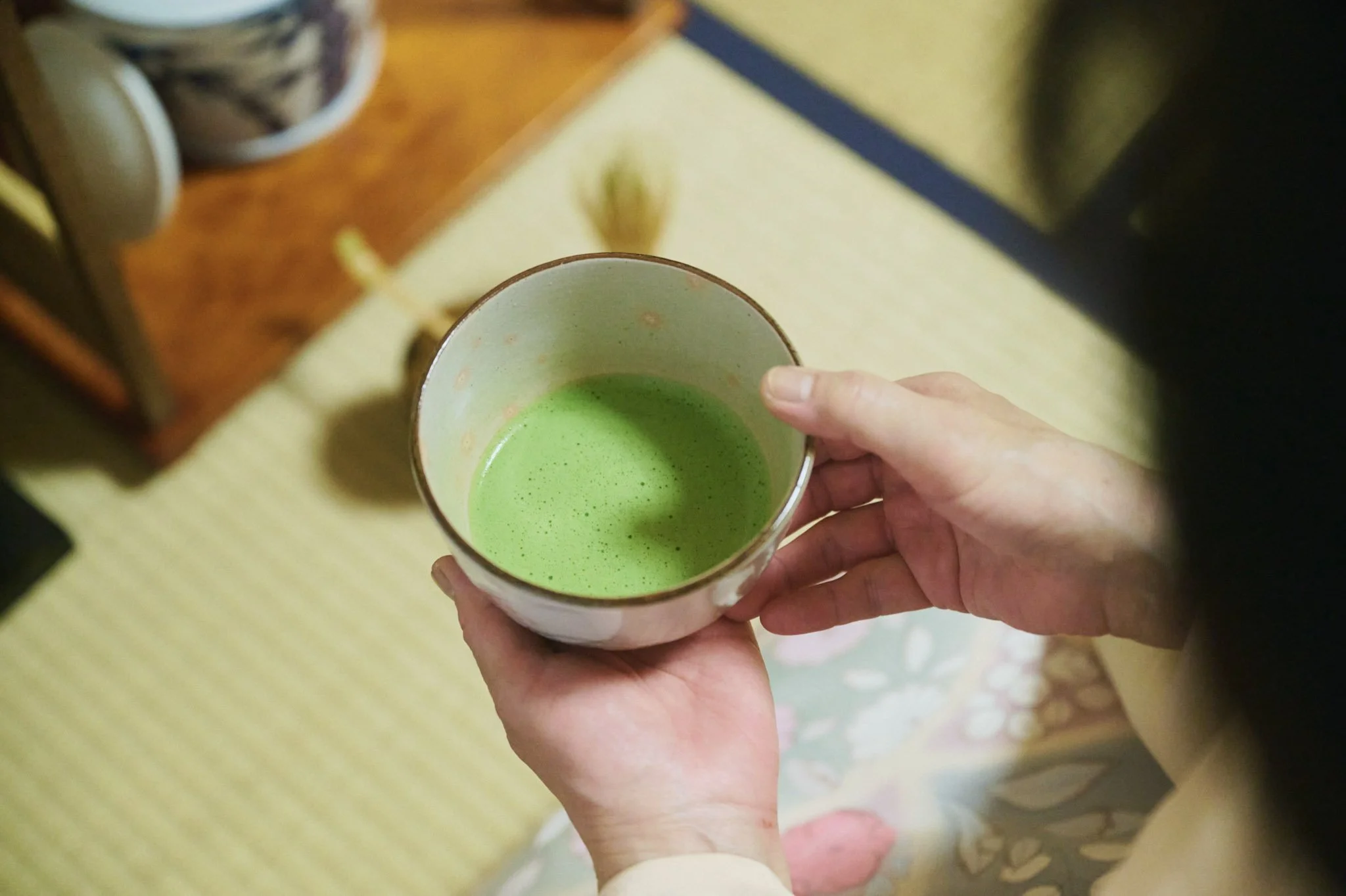
Experience harmonious hospitality with a master-led Urasenke-style tea ceremony
About the Author: Mishu Callan is a Tokyo-based freelance writer whose work has appeared in The Japan Times and Voyapon. Her work focuses on Japanese travel and culture, with a particular emphasis on the communities, places, and tastes that reveal a lesser-known side of Japan.
FAQ: Types of Japanese Tea
-
The most widely consumed types of Japanese tea include sencha, hojicha, genmaicha, mugicha (barley tea), and soba-cha (buckwheat tea), each offering distinct flavor profiles shaped by processing methods and ingredients.
-
Matcha is powdered green tea made from shade-grown leaves and consumed whole, while most other types of Japanese tea are steeped and removed, resulting in lighter textures and more varied flavor expressions.
-
-
Depending on the experience, you may participate in tea tastings, visit tea farms, learn brewing techniques, or join a traditional tea ceremony, gaining a deeper understanding of different types of Japanese tea.
-
You can book curated tea experiences with expert guides, including tea tastings, farm visits, and cultural workshops, through specialized platforms like Deeper Japan offering access to local producers and hosts across Japan.
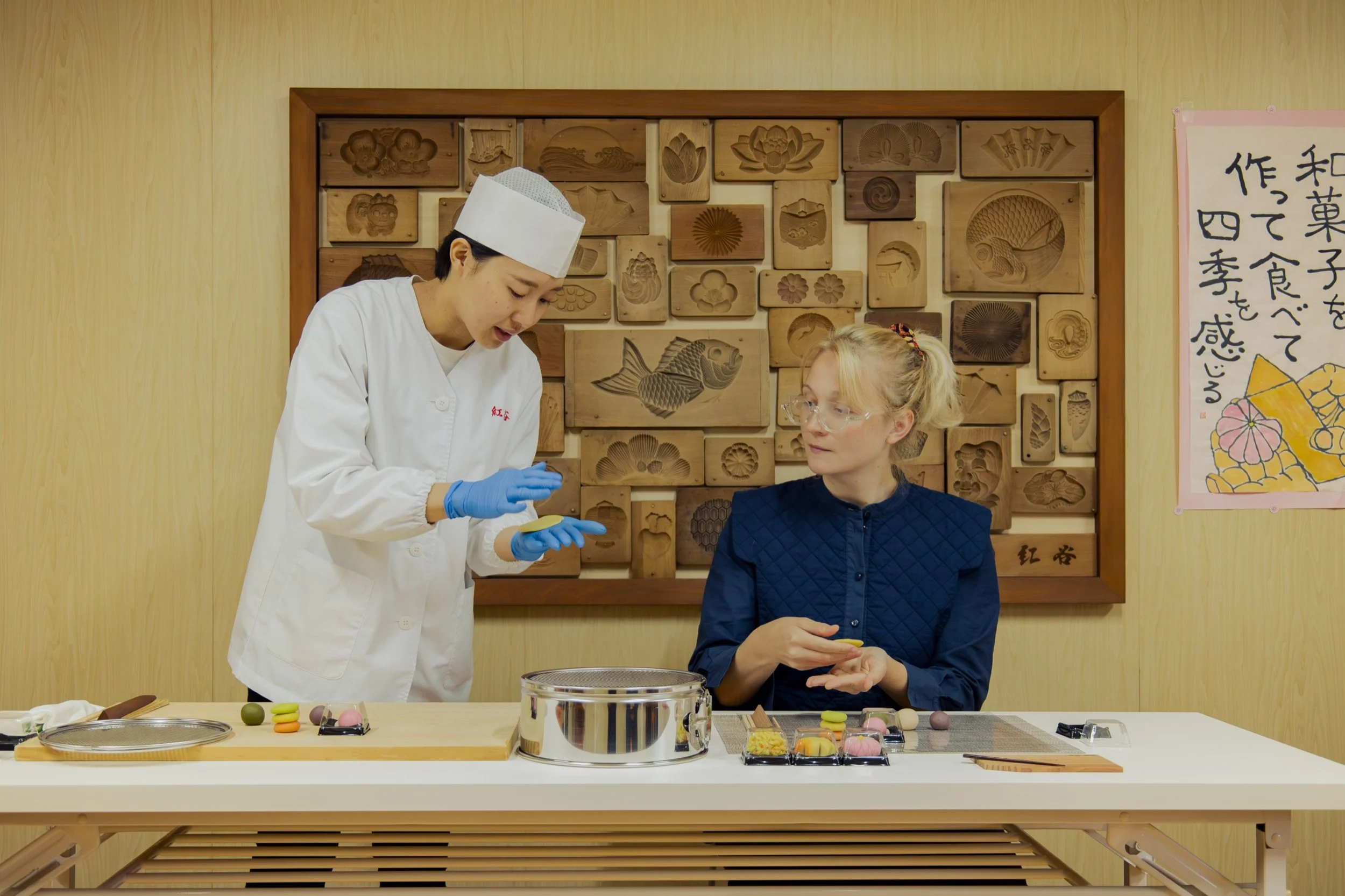
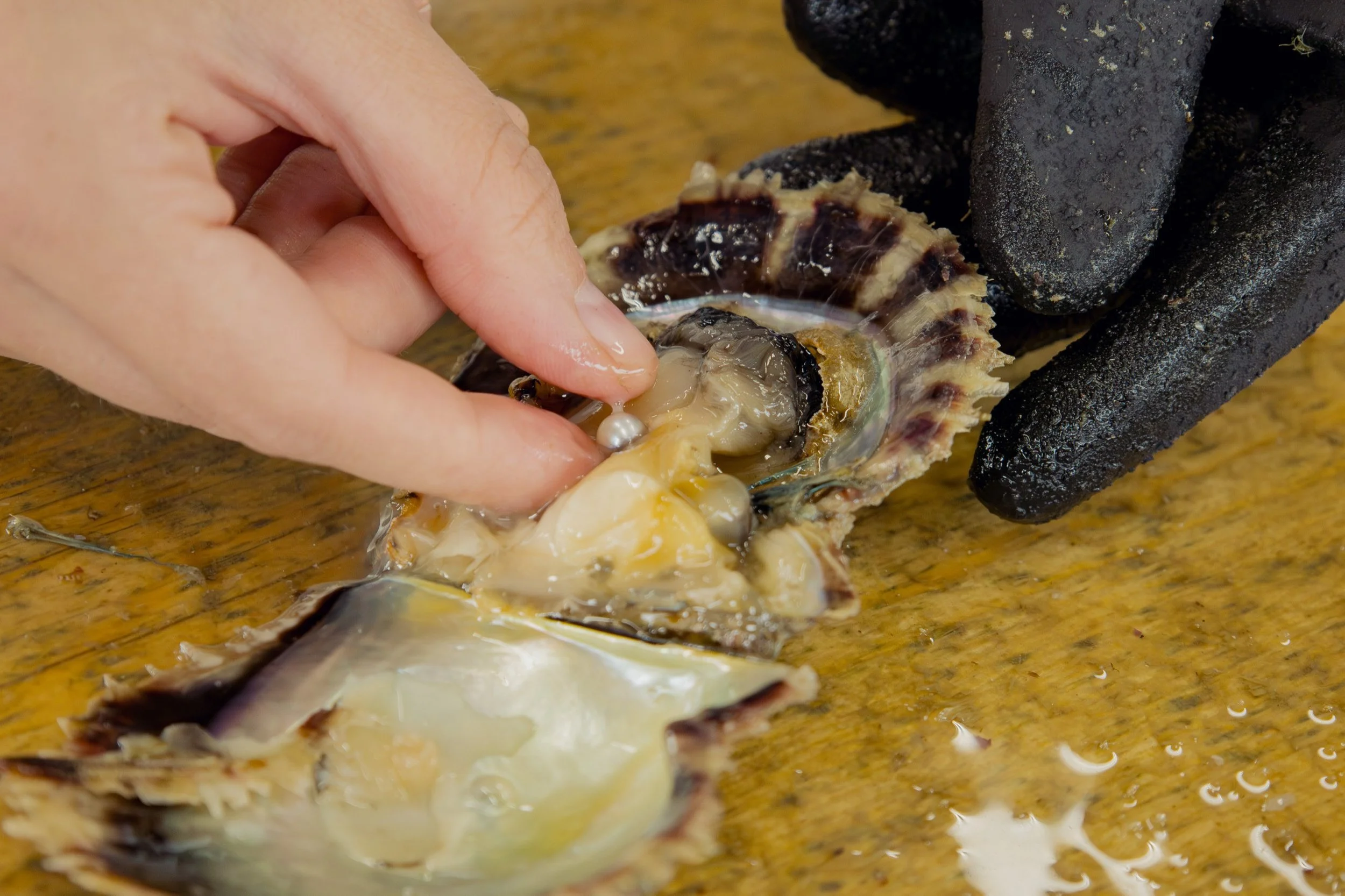
Embark on a palatable journey of various Japanese sake curated by a former brewer