
What is the Difference between Japan's Traditional Theaters?
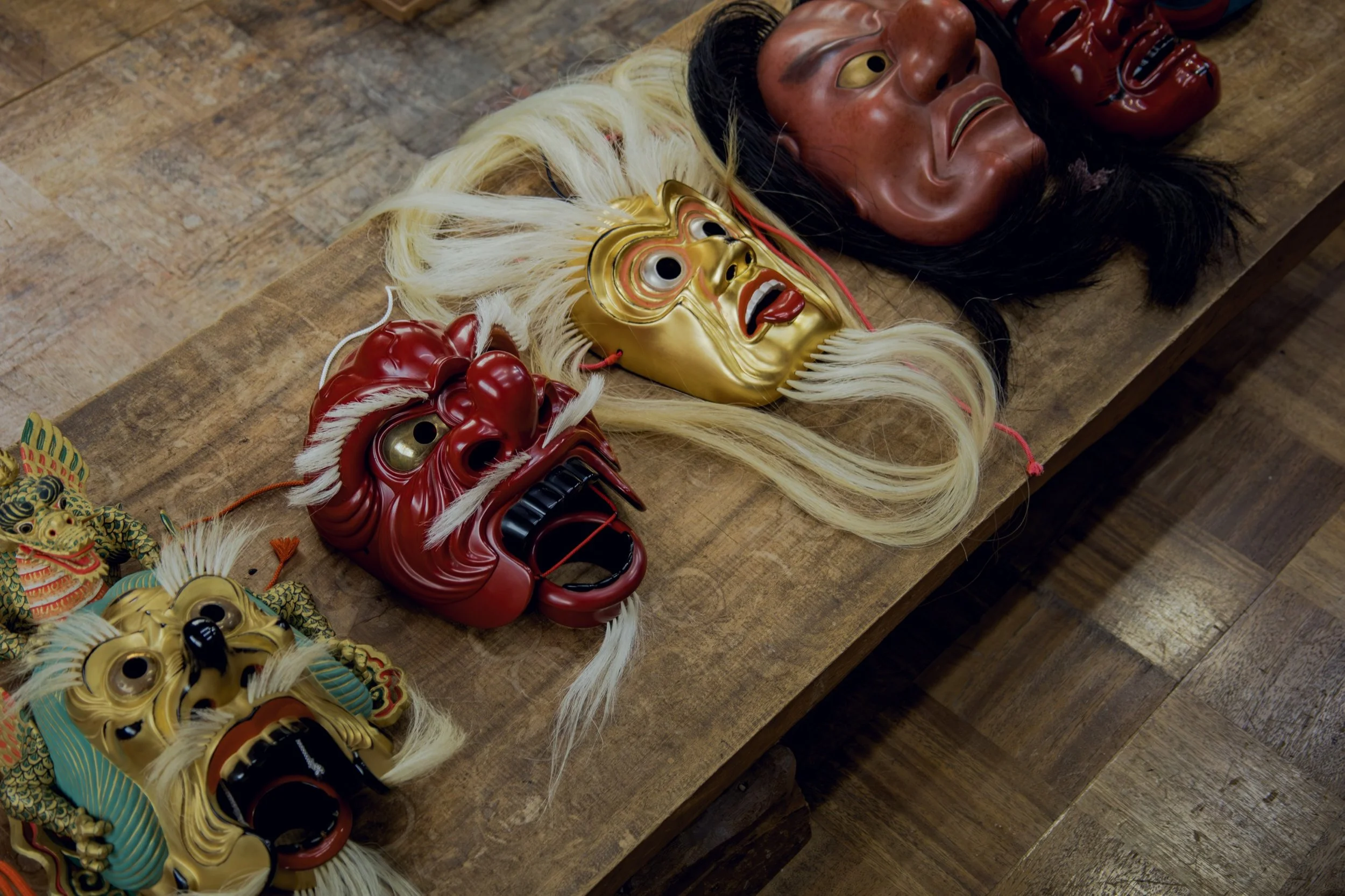
Noh and Bugaku Mask Crafting
Japan is home to multiple forms of traditional theater, but there are three that have captured the attention of audiences for ages: Noh, Kabuki, and Bunraku. Each form of Japanese traditional theater offers a distinct style of storytelling, from the quiet elegance of masked performances to colorful historical dramas and intricately operated puppets.
Although all three combine music, movement, and dramatic storytelling, they differ greatly in their history, performance style, and themes. Whether you're planning a trip to Japan or simply want to better understand its traditional performing arts, this guide explains the key differences between Noh, Kabuki, and Bunraku—and where you can experience them yourself.
What is Noh Theater: Japanese Traditional Performing Arts
Noh theater is Japan's oldest surviving form of traditional theater, combining song, dance, music, and drama to tell stories rooted in folklore, religious legends, and the supernatural. Originally, Noh was performed outdoors at temples, shrines, open fields, and even along coastlines, often in front of a large bonfire to foster a connection between the performers, audience, nature, and the gods.
Noh at a Glance
Origin: 14th century
Performance Style: Masked actors with slow, deliberate movements
Themes: Spirits, gods, warriors, dreams, and Buddhist philosophy
Music: Flute and three traditional drums (hayashi ensemble)
Atmosphere: Minimalist, meditative, and highly symbolic
Although performances later moved indoors, traditional Noh stages continue to incorporate natural elements—most notably the iconic painted pine tree—to preserve this spiritual connection. Noh is part of Nogaku, which consists of both the serious, dramatic performances of Noh and the lighthearted comedic interludes of Kyogen. Together, they create a balanced theatrical experience. Recognized as a UNESCO Intangible Cultural Heritage, Noh remains one of Japan's most revered performing arts.
Rather than relying on elaborate dialogue, Noh emphasizes elegant subtlety through carefully choreographed movements, melodic chanting, and dancing. Actors wear intricately handcrafted masks carved with slight asymmetries, allowing different emotions to emerge depending on the angle of the actor's head and the surrounding light. Musical accompaniment is provided by the hayashi ensemble, consisting of a flute, shoulder drum (kotsuzumi), hip drum (ōtsuzumi), and stick drum (taiko).
Historically, Noh was enjoyed primarily by the samurai class, nobility, and members of the imperial court. Women were traditionally prohibited from performing, with male actors portraying female roles until women gradually began appearing on the Noh stage during the mid-20th century.
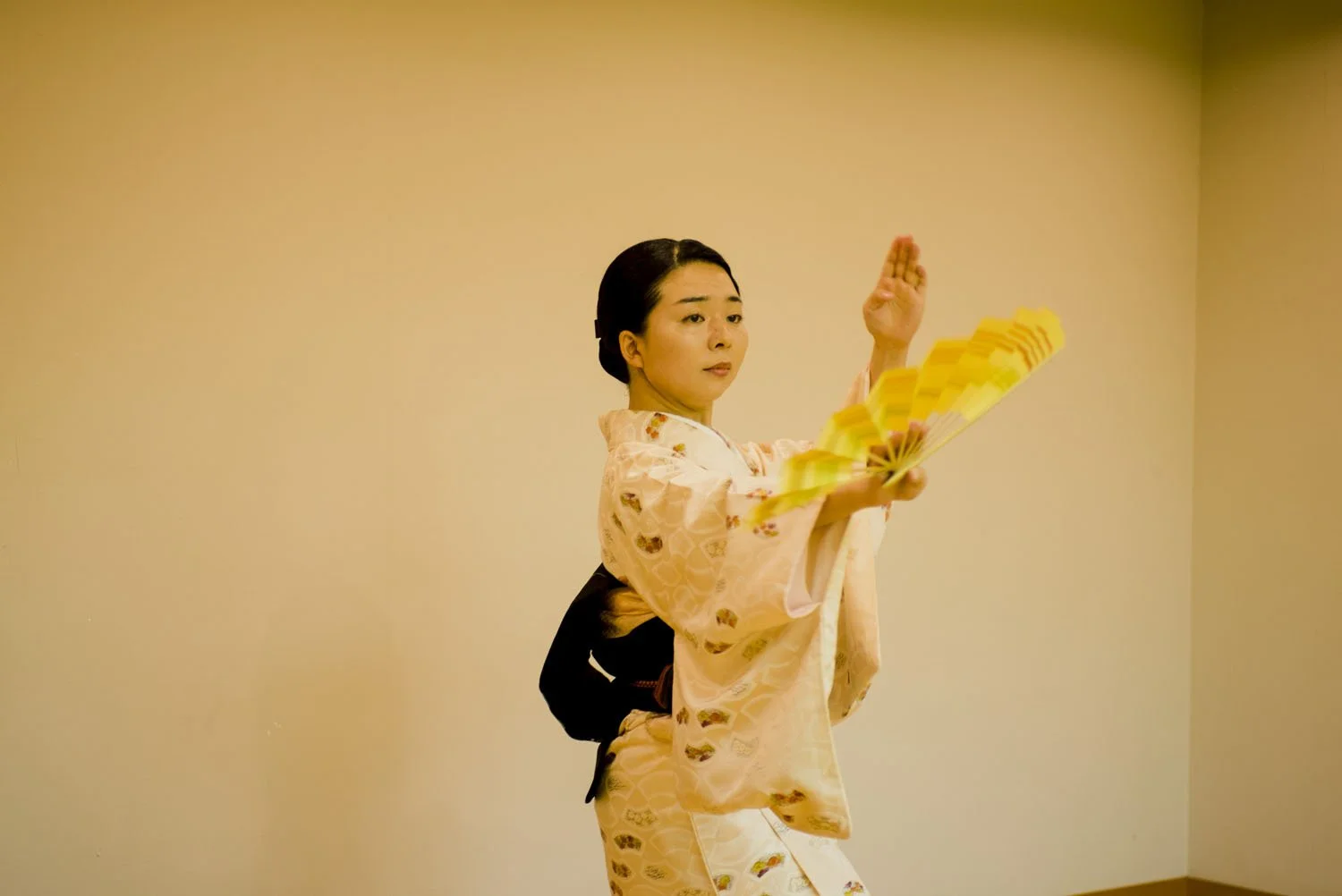
Japanese Buyo Dance
What is Kabuki Theater: Japanese Traditional Performing Arts
Kabuki theater is Japan's most vibrant and theatrical performing art, combining dramatic acting, dance, music, and elaborate stage effects to tell emotionally engaging stories.
Kabuki at a Glance
Origin: Early 1600s
Performance Style: Live actors with dramatic movement
Themes: Samurai, romance, historical conflicts, family drama
Famous Feature: Kumadori makeup and elaborate costumes
Atmosphere: Colorful, energetic, and entertaining
Performances often center on historical events, samurai tales, romance, and moral conflicts, brought to life with revolving stages, trap doors, and the hanamichi—a raised runway that allows actors to make dramatic entrances and interact with the audience.
Kabuki is instantly recognizable for its striking kumadori makeup, lavish costumes, and intricately designed sets. Musical accompaniment is divided into utamono (song-based music) and katarimono (narrative-based music), performed by both onstage and offstage musicians.
Kabuki was founded in the early 17th century by Izumo no Okuni, who staged lively dance performances and skits along Kyoto's Kamo River. Unlike the refined and symbolic style of Noh, Kabuki quickly became popular among ordinary townspeople for its energetic performances and relatable stories. However, in 1629 the Tokugawa shogunate banned women from performing because the performances had become closely associated with prostitution and public disorder.
As a result, Kabuki evolved into an all-male art form, with specialist actors known as onnagata portraying female characters. Although women have since returned to performing Kabuki in smaller productions and experimental companies, the major traditional Kabuki theaters in Japan continue to feature predominantly male casts, preserving a performance tradition that has endured for nearly 400 years.
What is Bunraku Theater: Japanese Traditional Performing Arts
Bunraku theater is Japan's traditional puppet theater, combining masterful puppetry, dramatic storytelling, and live music to create one of the country's most distinctive performing arts. Developed in the 17th century from joruri narrative storytelling and shamisen music, Bunraku features intricately handcrafted puppets that can stand nearly four feet (1.2 meters) tall.
Bunraku at a Glance
Origin: 17th century
Performance Style: Puppet theater
Themes: Love, loyalty, sacrifice, and tragedy
Music: Shamisen accompanied by narrative chanting
Famous Feature: Three puppeteers controlling a single puppet
Each puppet is operated by three highly trained puppeteers working in perfect synchronization: the chief puppeteer controls the head, facial expressions, and right arm, while two assistants—traditionally dressed entirely in black to blend into the background—operate the left arm and legs. Years of training are required to create the remarkably lifelike movements and subtle gestures that bring each puppet to life.
Bunraku performances explore timeless themes of love, loyalty, sacrifice, duty, and betrayal, often portraying deeply emotional conflicts between personal desires and social obligations. Rather than each puppet having its own voice, a single narrator performs all of the dialogue, narration, and emotional expression, skillfully changing tone and intonation for every character.
The performance is accompanied by the shamisen, whose powerful melodies heighten the drama and guide the audience through each scene. Together, the synchronized puppetry, expressive narration, and evocative music create an immersive theatrical experience unlike any other in Japan.
The Key Differences Between Noh, Kabuki, and Bunraku
Although Noh, Kabuki, and Bunraku all represent centuries of Japanese performing arts, each offers a distinctly different theatrical experience.
Noh is the oldest and most understated of the three, emphasizing slow, symbolic movements, handcrafted masks, and spiritual or philosophical themes rooted in Japanese folklore and religion.
Kabuki, by contrast, is energetic and visually spectacular, featuring elaborate costumes, bold kumadori makeup, dramatic stage effects, and stories centered on historical events, romance, and human conflict.
Bunraku replaces live actors with intricately crafted puppets operated by skilled puppeteers, using expressive narration and shamisen music to bring emotionally rich stories of love, loyalty, sacrifice, and betrayal to life.
Whether you are drawn to Noh's elegant subtlety, Kabuki's colorful theatricality, or Bunraku's remarkable craftsmanship and storytelling, each tradition offers a unique window into Japan's rich cultural heritage.
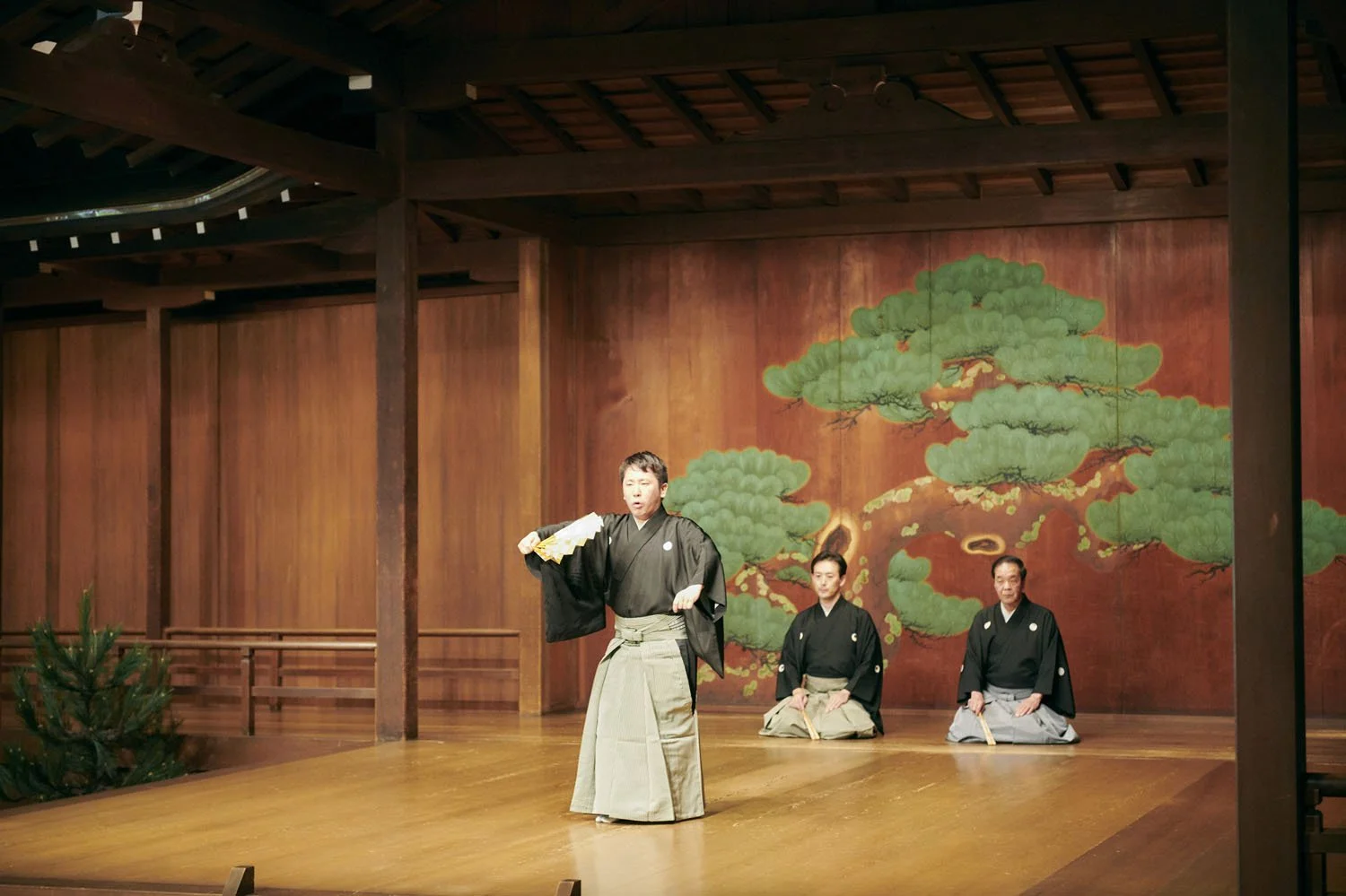
The Spirit of Noh Theater
Where to Experience Traditional Japanese Theater in Japan
Experiencing any of these performances offers a deeper understanding of Japan's artistic traditions and cultural values. Whether you attend a centuries-old Noh performance, an energetic Kabuki production, or an emotional Bunraku play, traditional theater remains one of the most memorable ways to experience Japan beyond its temples, gardens, and cuisine.
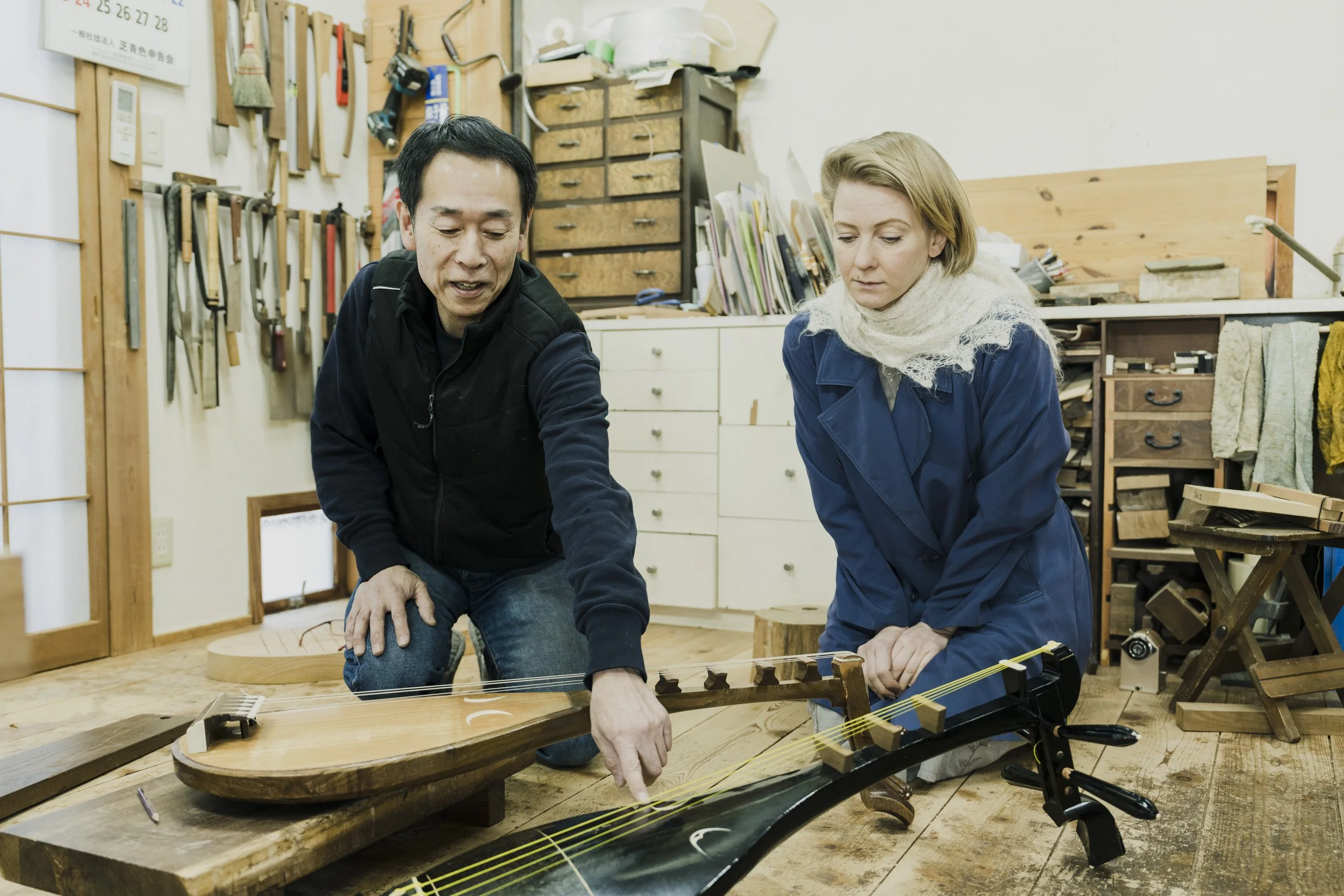
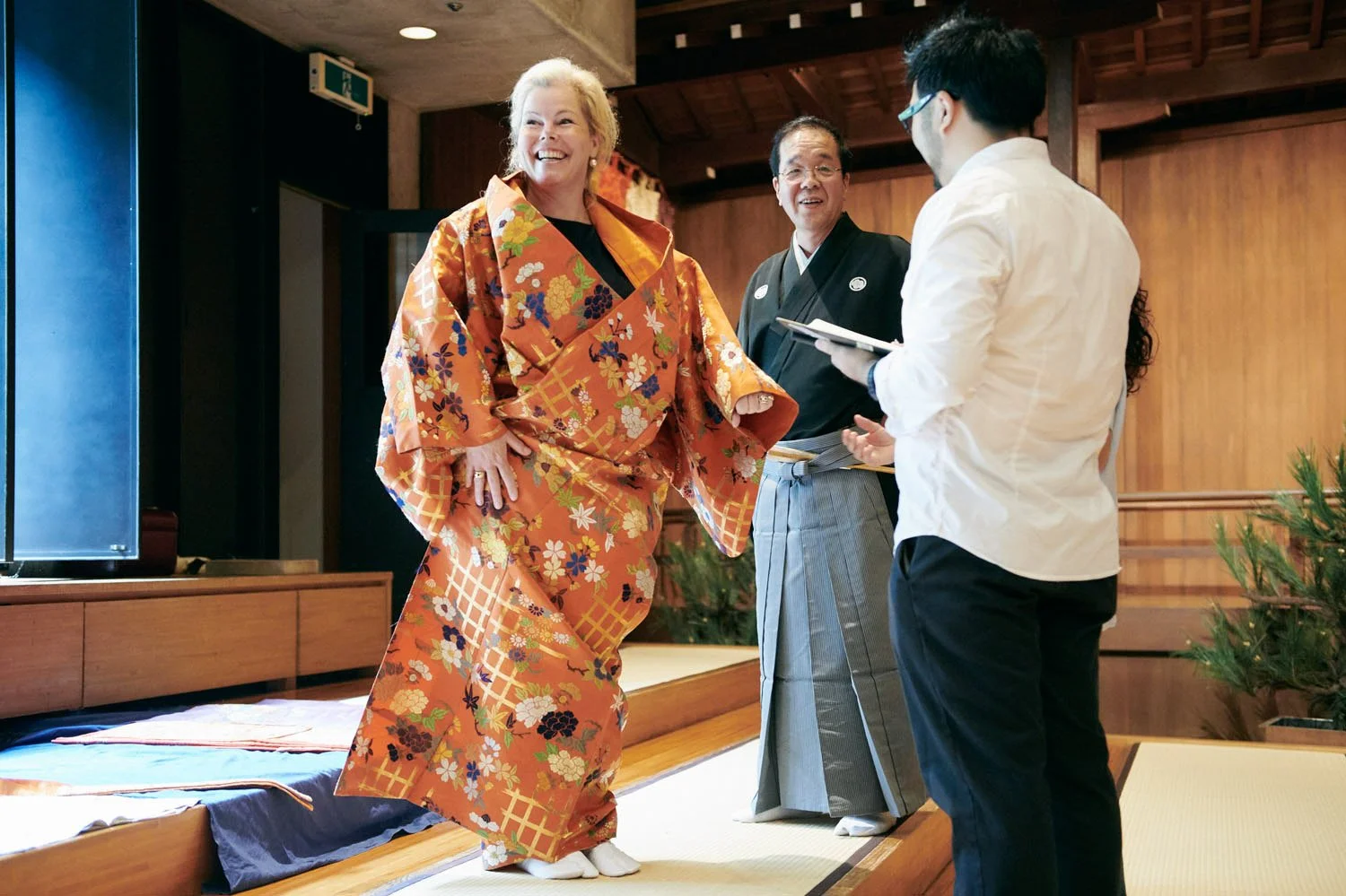
For an authentic immersion into Japan’s traditional theater, expert-led cultural workshops bring you into the magic of theater. Join a professional Noh performer in his hidden Tokyo Noh training residences or Noh mask carvers in Kansai who imbue emotion into the form, plus countless other Japanese performing arts workshops with Deeper Japan.
FAQ: Types of Traditional Japanese Theater
-
-
-
Noh and Bunraku audiences are expected to remain quiet, while Kabuki audiences may cheer at appropriate moments, and actors often make dramatic entrances along the hanamichi through the audience.
-
Yes. Many theaters offer English subtitles or multilingual guides, and the expressive acting, music, costumes, and puppetry make these performances enjoyable regardless of language.

Experience exhilarating wadaiko drumming led by a professional musician and performer.