
A Guide to Different Types of Ramen in Japan—from North to South
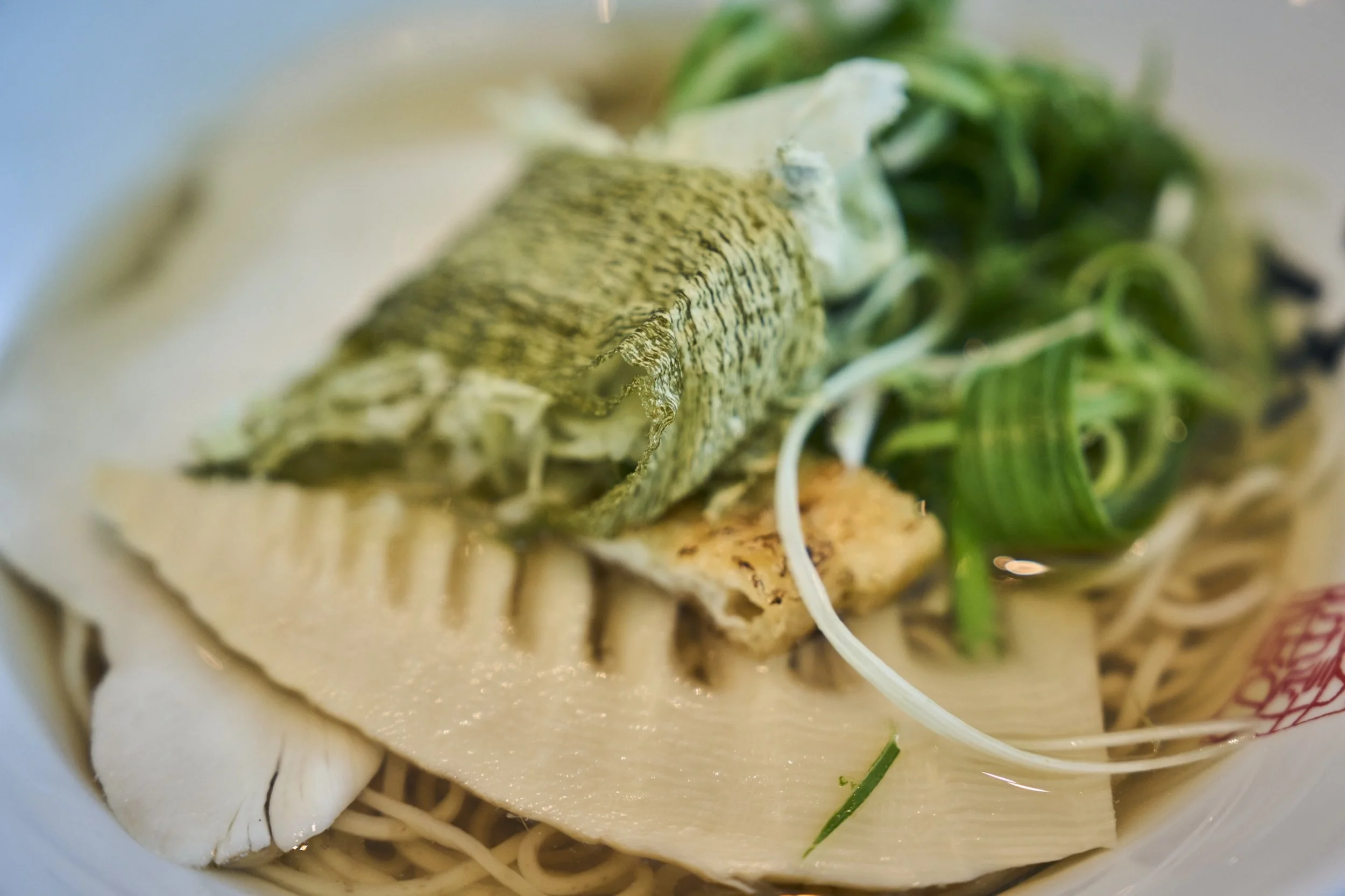
Ramen is Japan’s ultimate comfort food and go-to choice for gaishoku (dining out), with nearly fifty percent of the Japanese population consuming it once a month. But to place the dish into one category would not do it justice — there are many types of ramen in Japan. Rather than having a fixed and predictable formula, ramen is a dish of interchangeable components, widely influenced by its location. Under the umbrella of shoyu, shio, miso, tonkotsu ramen broths, cities are going beyond them and creating their own unique subcategories.
While brands like Ippudo or Ichiran have made tonkotsu ramen known across the globe, these other unique ramen types, while lesser known, still pack a powerful punch of flavor and will leave you with lasting impressions. From Hokkaido to Kyushu, explore the different types of ramen developed in Japan, learning how local ingredients and culinary tradition shape each bowl into something distinctly its own.
What Are Some of the Unique Types of Ramen by Region?
While ramen is often categorized by its four primary broth types—shoyu, shio, miso, and tonkotsu—the true diversity of ramen in Japan lies in its regional adaptations. Across the country, local climates, agricultural products, and culinary traditions have given rise to highly specific styles that go far beyond these base classifications. From cold-weather bowls enriched with butter and fat in the north to delicate broths shaped by coastal trade routes, each region has developed its own interpretation of what ramen can be, resulting in a range of types of ramen to enjoy feasting upon.
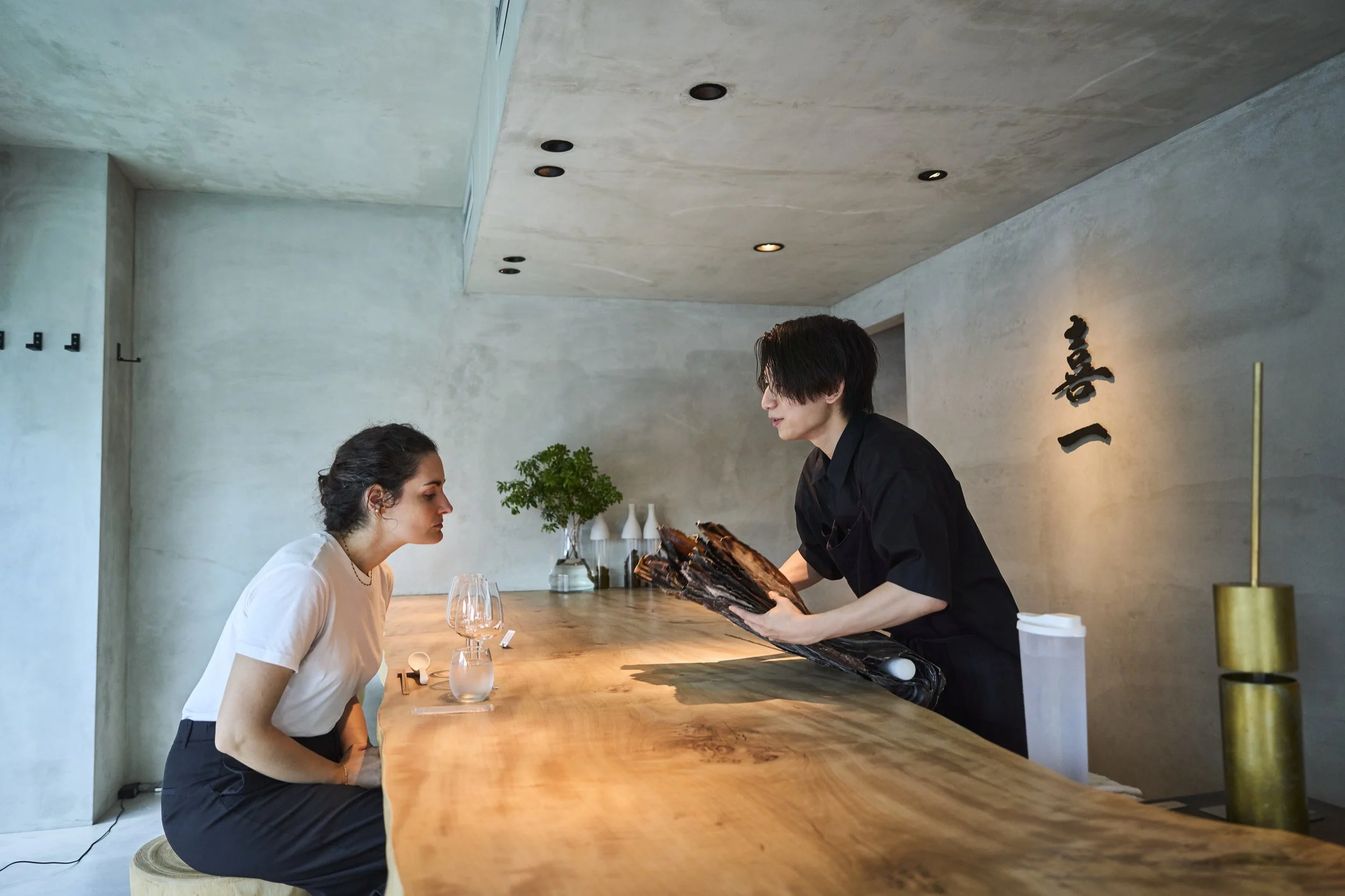
Dive deeper into the subtle yet complex taste of konbu, from kelp base to ramen bowl.
Types of Ramen in Northern Japan
Miso Ramen in Sapporo
Miso ramen’s origins can be tied to Japan's northern prefecture of Hokkaido, specifically in its city of Sapporo. Created in 1955 by Morito Omiya, owner of the restaurant, Aji no Sanpei, Hokkaido’s miso ramen has been well-loved by locals and Japanese citizens alike for decades. Like many world-renowned dishes, this soup came from coincidental discovery when a customer requested noodles be included in his miso soup. Since its inception, it has taken on unique variations, with additional toppings that celebrate the local delicacies and produce of the region.
Sapporo’s Corn and Butter Miso Ramen
One of the most famous types of ramen riffing of Hokkaidos’ miso base, this bowl combines its prefectural meibutsu (staples) of sweet corn and dairy products into one, well-rounded ramen dish. With Hokkaido prefecture producing over 30% of Japan’s overall corn products and over 50% of the country’s raw milk supply, this dish is all about showcasing the best of its regional ingredients to its visitors and locals alike. The umami of a miso broth contrasted with the creaminess and sweetness of corn and butter toppings provides a velvety and warm solution to the prefecture’s frigid and long winters and the perfect type of ramen to stave off the cold.
Shio Ramen in Hakodate
Salt-broth ramen originated in the port city of Hakodate, Hokkaido, in the 1880s. During this time, the restaurant, Yowaken, released a “Chuuka Soba” (Chinese-inspired noodles) on their menu featuring a salt base — the mildest and airiest version of the broths from the four types of ramen mentioned above. Other prefectures have used this salt-based ramen broth as the foundation for many of their own types of ramen, including Akita.
Inaniwa (shio) Ramen in Akita
Akita prefecture is home to the Inaniwa Udon — a hand-pulled and dried, thin and chewy-textured version of udon, which dates back 350 years. Its firmness and chewiness pair well with cold dishes and broths. The region has adopted the well-loved traditional Inaniwa dry noodle pulling method and has applied it in the form of shio ramen. Also known as Inaniwa chuka soba, the ramen noodles are paired with a clear shio chicken broth, and can be ordered online for delivery across Japan.
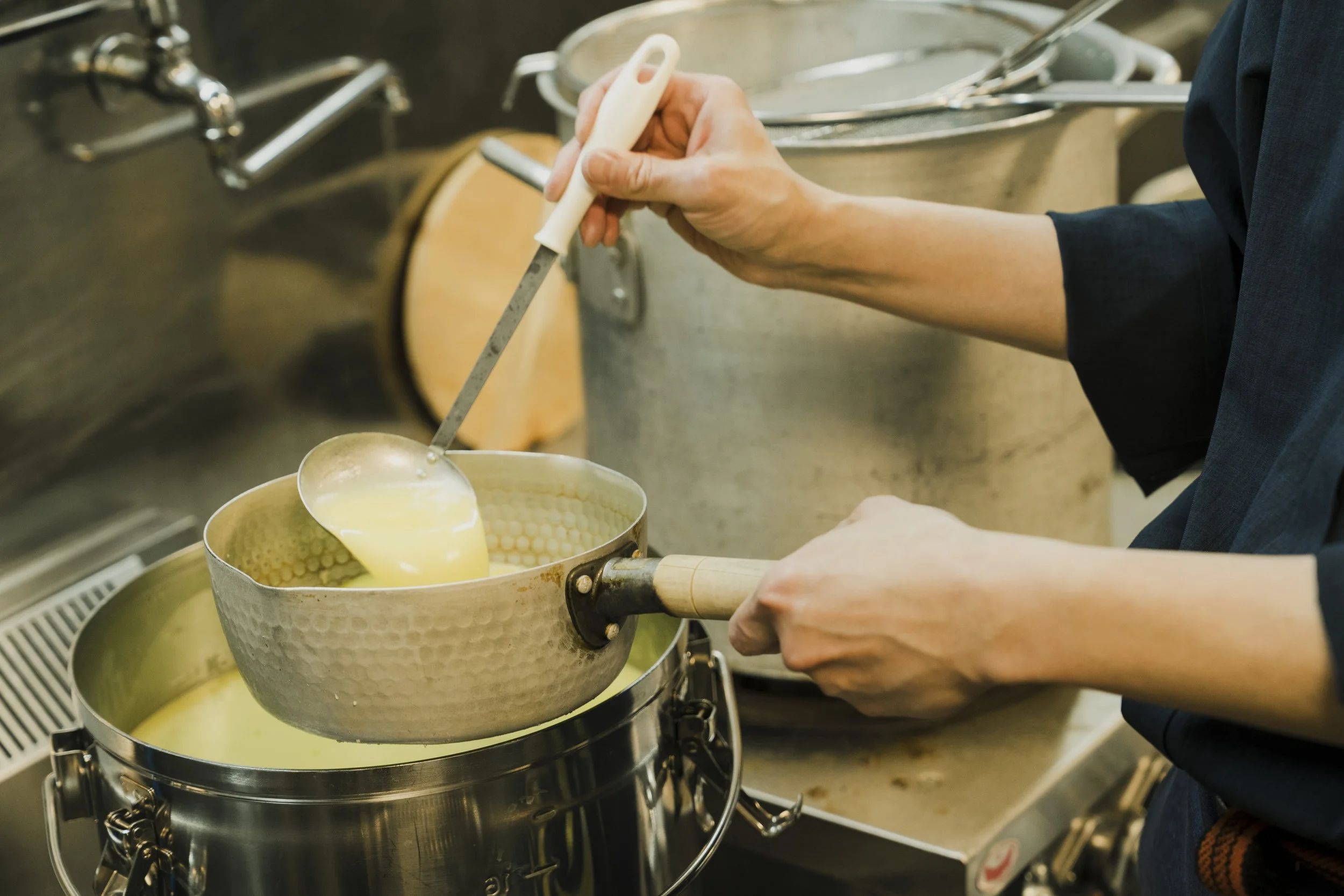
Types of Ramen in Central Japan
Shoyu Ramen in Tokyo
With roots in Tokyo tracing to the 1850s, and heavily influenced by Chinese noodle soup traditions, shoyu ramen has become a staple broth across the country. The taste is generally of light and clear soy sauce flavor, with umami depth packed in through chicken bones and konbu kelp, but it can vary in depth across locations in Japan. This Tokyo-born type of ramen is a must-eat bowl for any true ramen-lover.
Ginger-Shoyu Ramen
Known as one of the five great ramen styles of Niigata prefecture, ginger-shoyu ramen was originally developed in the city of Nagaoka. They take the shoyu broth one step further and fuse a deep tonkotsu (pork bone) with ginger to craft a wholly unique type of ramen. Topped with spinach and chashu (tender roasted pork), the element of ginger provides a refreshing and warming quality well suited for the prefecture’s cold winters. While origins are subject to debate, Aoshima Shokudo is said to be one of the first restaurants to serve a dish of its kind.
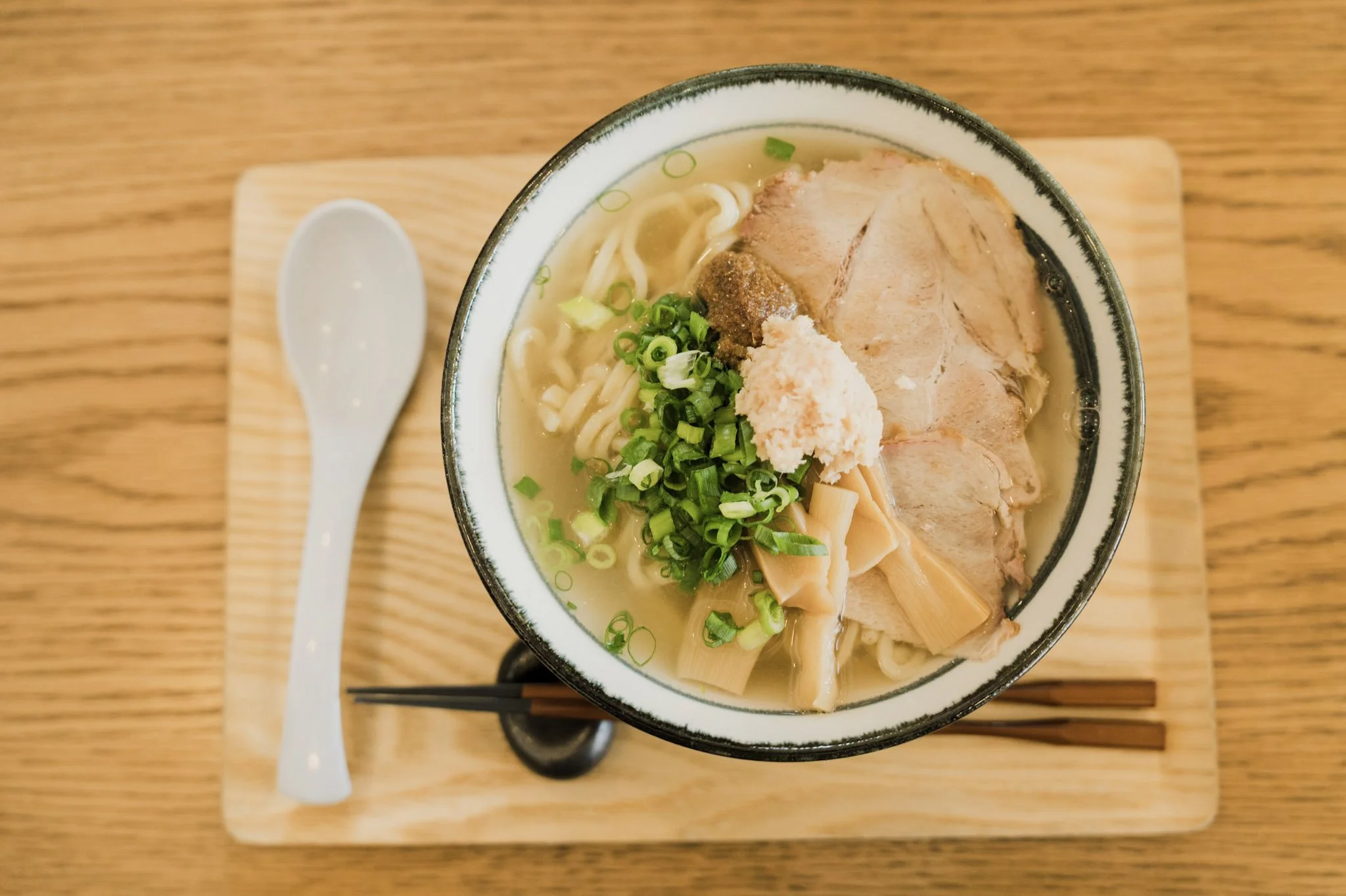
Make Japanese noodles with your own hands at this locally-loved, Fukuoka noodle supplier
Types of Ramen in Southern Japan
Tonkotsu Ramen in Fukuoka
Tonkotsu broths, which originated in Fukuoka prefecture, are packed with umami and primarily made by boiling pork bones. This dense, rich type of ramen is often loaded with toppings like pork belly, green onions, and eggs, and is one of the most iconic ramen styles to captivate food-loving visitors to Japan.
Pork Ramen in Okinawa
Further down south in Okinawa, locals have reinvented what we know as pork-broth ramen. When thinking of Okinawa’s must-eat dishes, one might be geared towards its quintessential noodle dish of Soki-soba (Okinawan soba). But beyond this, the prefecture utilizes its meibutsu of Agu pork to create a new regional ramen variation— Agu Pork Ramen. A rich tonkotsu broth made from the bones of Agu, and complemented by tender pieces of pork belly, Okinawa takes the tonkotsu broth to the next level.
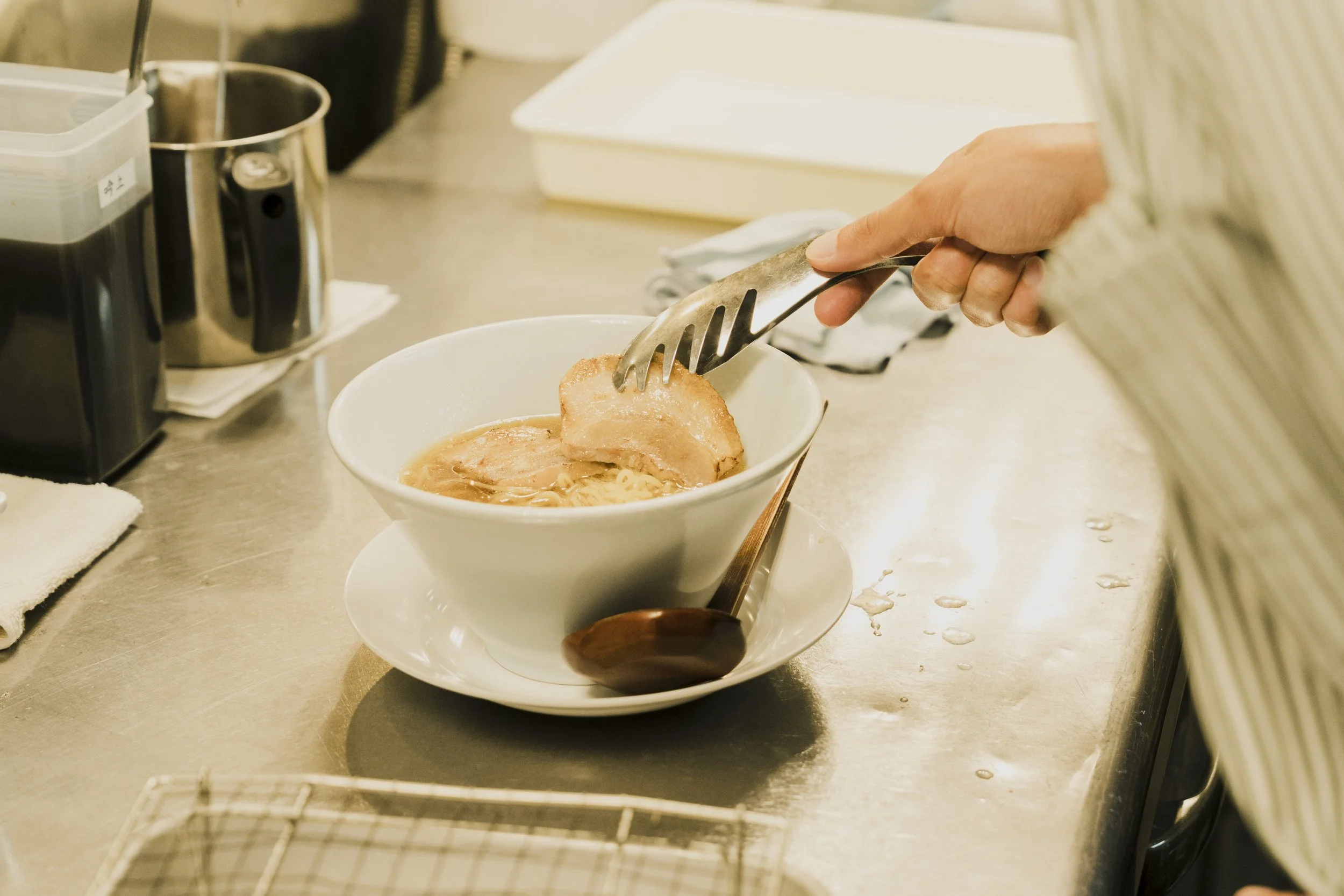
Dive into the art of ramen soup making and create a bowl of ramen from scratch
Enjoying Ramen Across Japan
Regions have taken ramen’s formula and combined it with their regional delicacies and traditional practices to create fresh new variations of Japan’s beloved dish. From the north to the south of Japan, these new ramen creations are always evolving. Whether through varying toppings or a fusion of broths, there are limitless ways to incorporate and create new types of ramen. So long as the creative minds of chefs continue to exist, there will be unending versions and variations and innovations to making ramen across Japan for noodle lovers to enjoy for years to come.
Where to Experience Ramen Making In Japan
If you want to move beyond tasting and deeply understand what defines great ramen, stepping into a ramen kitchen is the most direct route. Across Japan—from the shoyu traditions of Tokyo to the rich tonkotsu culture of Fukuoka—ramen-making workshops offer hands-on access to techniques that are rarely visible from the counter. Partner with professional ramen chefs or noodle maker specialists, and discover how to make your own ramen in Japan.

About the Author: Mishu Callan is a Tokyo-based freelance writer whose work has appeared in The Japan Times and Voyapon. Her work focuses on Japanese travel and culture, with a particular emphasis on the communities, places, and tastes that reveal a lesser-known side of Japan.
FAQ: Types of Ramen in Japan
-
The four foundational ramen categories are shoyu (soy sauce), shio (salt), miso, and tonkotsu (pork bone). From these bases, regional variations emerge across Japan, such as miso ramen in Sapporo or tonkotsu in Fukuoka.
-
Ramen is derived from Chinese wheat noodle soups, introduced to Japan in the 19th century. Over time, it evolved into a distinctly Japanese dish with highly localized styles.
-
Ramen noodles are wheat-based and typically contain kansui (alkaline mineral water), which gives them their elasticity and yellow color. Thickness and texture vary depending on the regional style.
-
It’s possible, but limited. Traditional ramen broths often contain meat or fish-based stock. However, vegetarian and vegan ramen options are increasingly available, especially in larger cities like Tokyo.
-
This is a private, chef-led ramen workshop in Tokyo focused specifically on soup-making—the most technical and defining element of ramen. Unlike many group classes, this experience takes place in a quiet residential setting in Tokyo and includes direct instruction from a professional chef, with interpretation support for international guests.
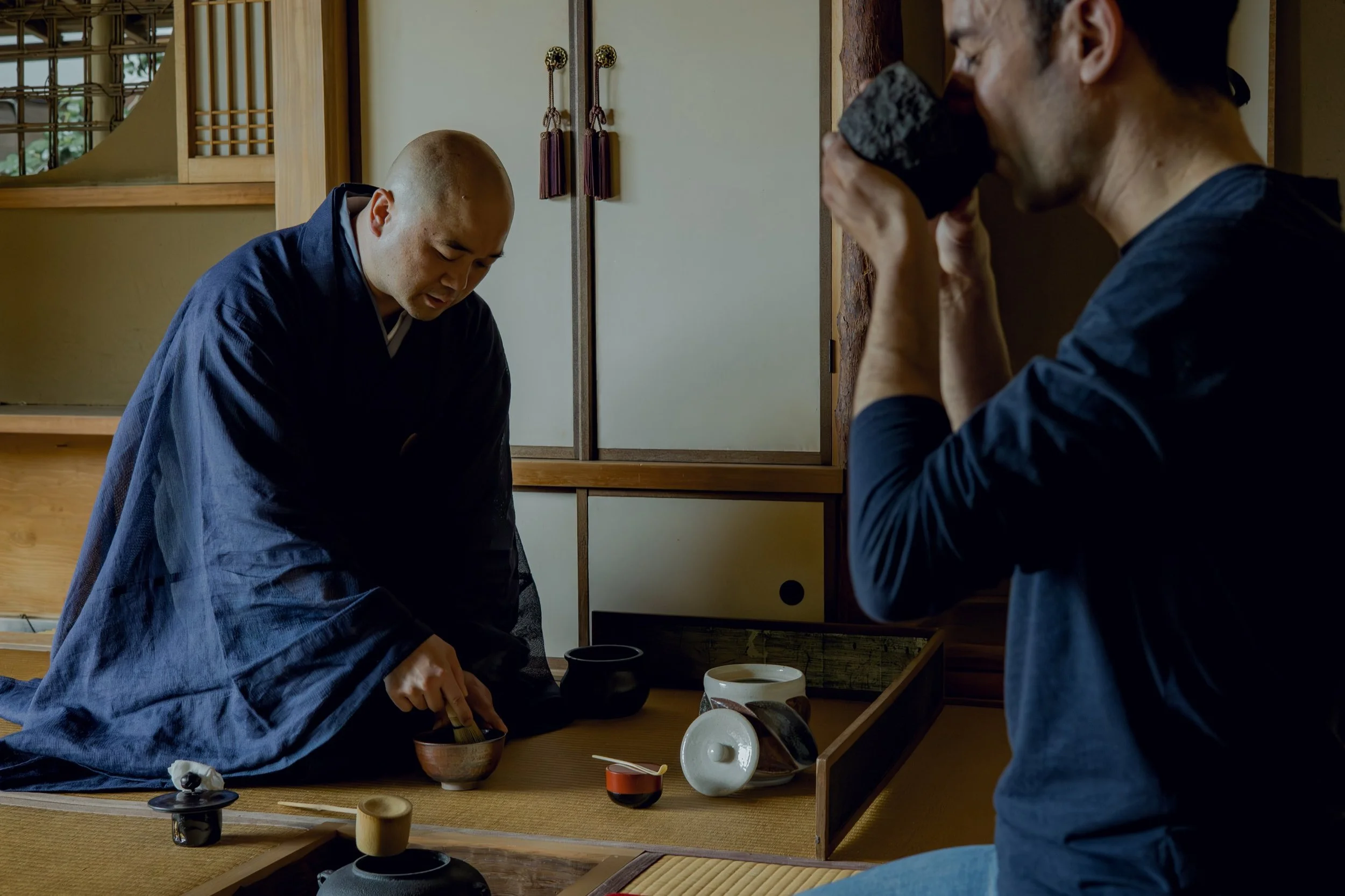
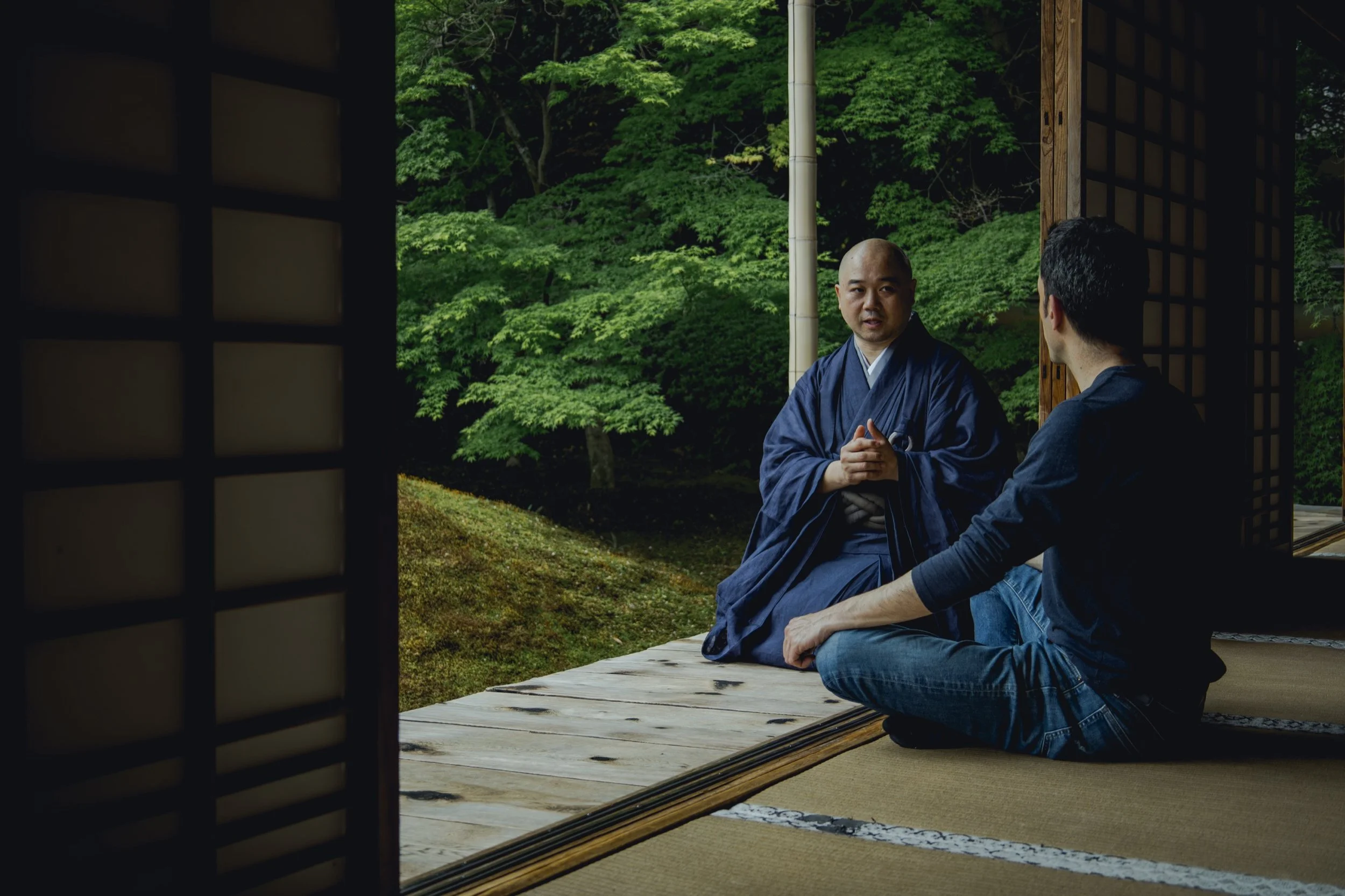

Experience Buddhist vegetarian cuisine on the grounds of a 700-year-old temple