
The History of Sushi in Japan
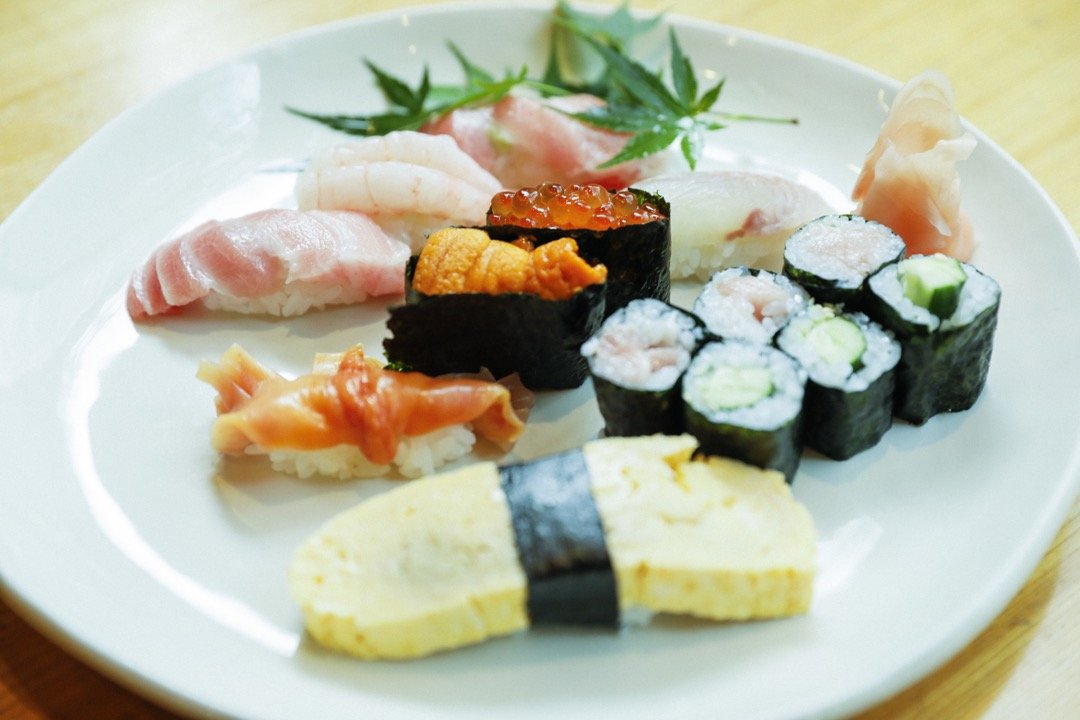
The Spirit of Sushi
Today's sushi is one of Japan's most famous culinary exports, enjoyed everywhere from neighborhood sushi bars to Michelin-starred restaurants. But the history of sushi stretches back more than 1,000 years and began as a practical method of preserving fish—not the fresh seafood delicacy known today.
From fermented narezushi to Edo-period nigiri, sushi has continually evolved alongside Japan's culture, trade, and technology. In this guide, explore the origins of sushi, how it developed in Japan, and why it became one of the world's most recognizable foods.
What is Sushi?
Many people assume sushi simply means raw fish, but that's actually incorrect.
Sushi refers to dishes made with vinegared rice (shari) combined with seafood, vegetables, egg, or other ingredients. While raw fish is common, sushi can also feature grilled eel, cooked shrimp, tamagoyaki (Japanese omelet), or pickled vegetables.
Today, some of the best-known styles include:
Nigiri
Maki rolls
Chirashi sushi
Temaki
Inari sushi
Oshizushi
Narezushi
Each regional style reflects local seafood, traditions, and centuries of culinary development, as well as seasonal considerations—after all, Japan boasts 72 microseasons, including culture and culinary arts.
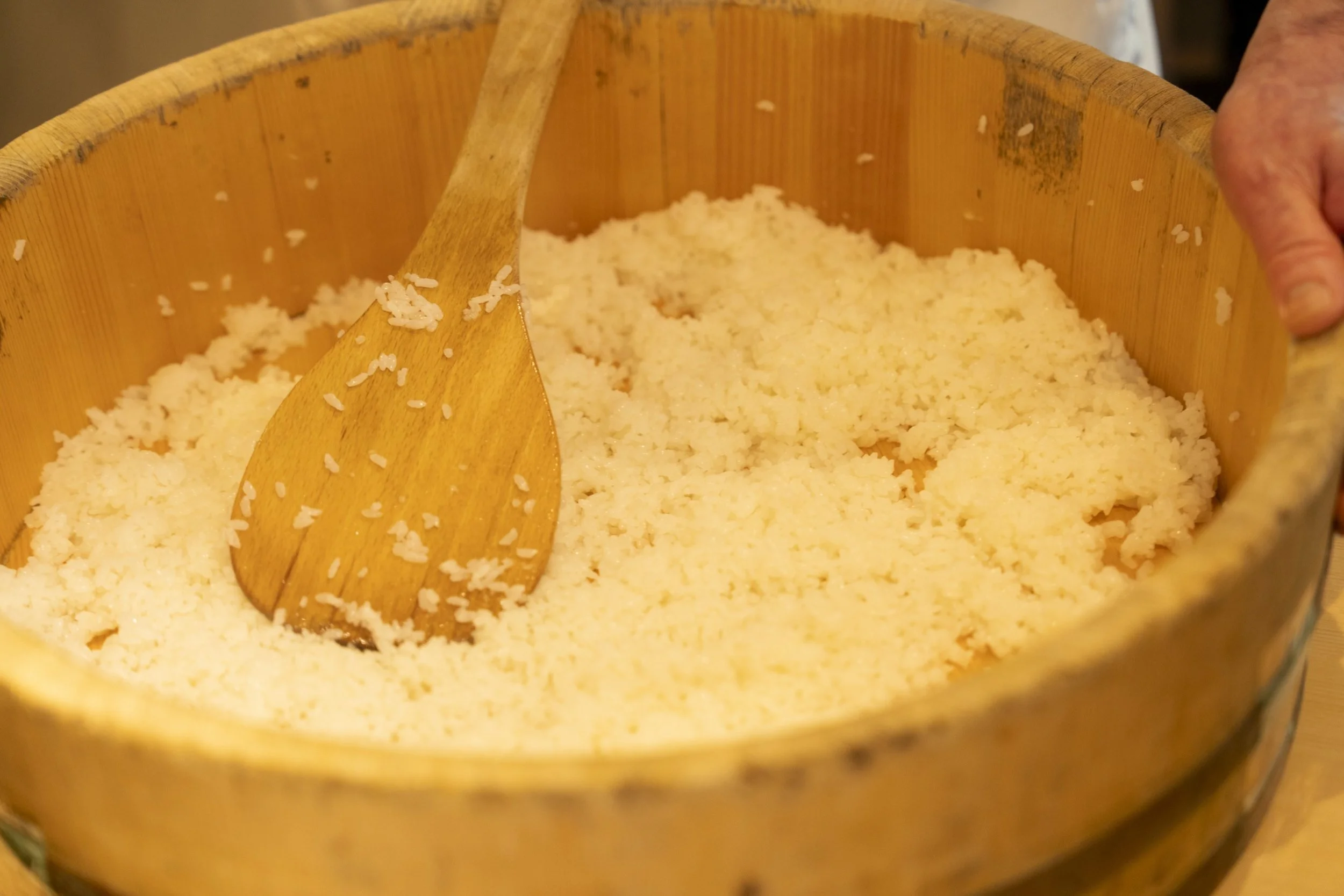
Sushi Masterclass + Fish Market Tour
The History of Sushi’s Origins
Although sushi is closely associated with Japan today, its earliest ancestor likely originated in Southeast Asia before spreading through China and eventually reaching Japan.
The earliest form of sushi was developed as a preservation technique. Salted fish was packed inside fermented rice, where lactic acid fermentation prevented spoilage for months. The rice itself was discarded, while only the preserved fish was eaten. Over centuries, Japan transformed this preservation method into the fresh sushi enjoyed today.
Narezushi (Around the 8th Century)
Japan's earliest form of sushi, developed from fermented fish preservation methods.
Salted fish was fermented in rice for months or years, with the rice discarded before eating.
Traditional funazushi from Shiga Prefecture remains one of the oldest surviving examples.
Namanare (14th–16th Century)
Fermentation time was shortened, allowing both the fish and rice to be eaten together.
Rice vinegar began replacing lengthy fermentation, paving the way for modern sushi.
Hayazushi (16th–18th Century)
Vinegar eliminated the need for long fermentation while preserving the signature sour flavor.
Regional styles such as chirashi sushi, oshizushi (pressed sushi), and maki sushi became popular across Japan.
Edo-Style Nigiri (Early 19th Century)
Fresh seafood replaced fermented fish, creating the nigiri sushi recognized today.
Popularized during the Edo Period, often credited to Hanaya Yohei from not fermenting the fish and putting it on top of freshly cooked rice.
Originally sold as quick, affordable street food in what is now Tokyo before evolving into one of Japan's most iconic cuisines.
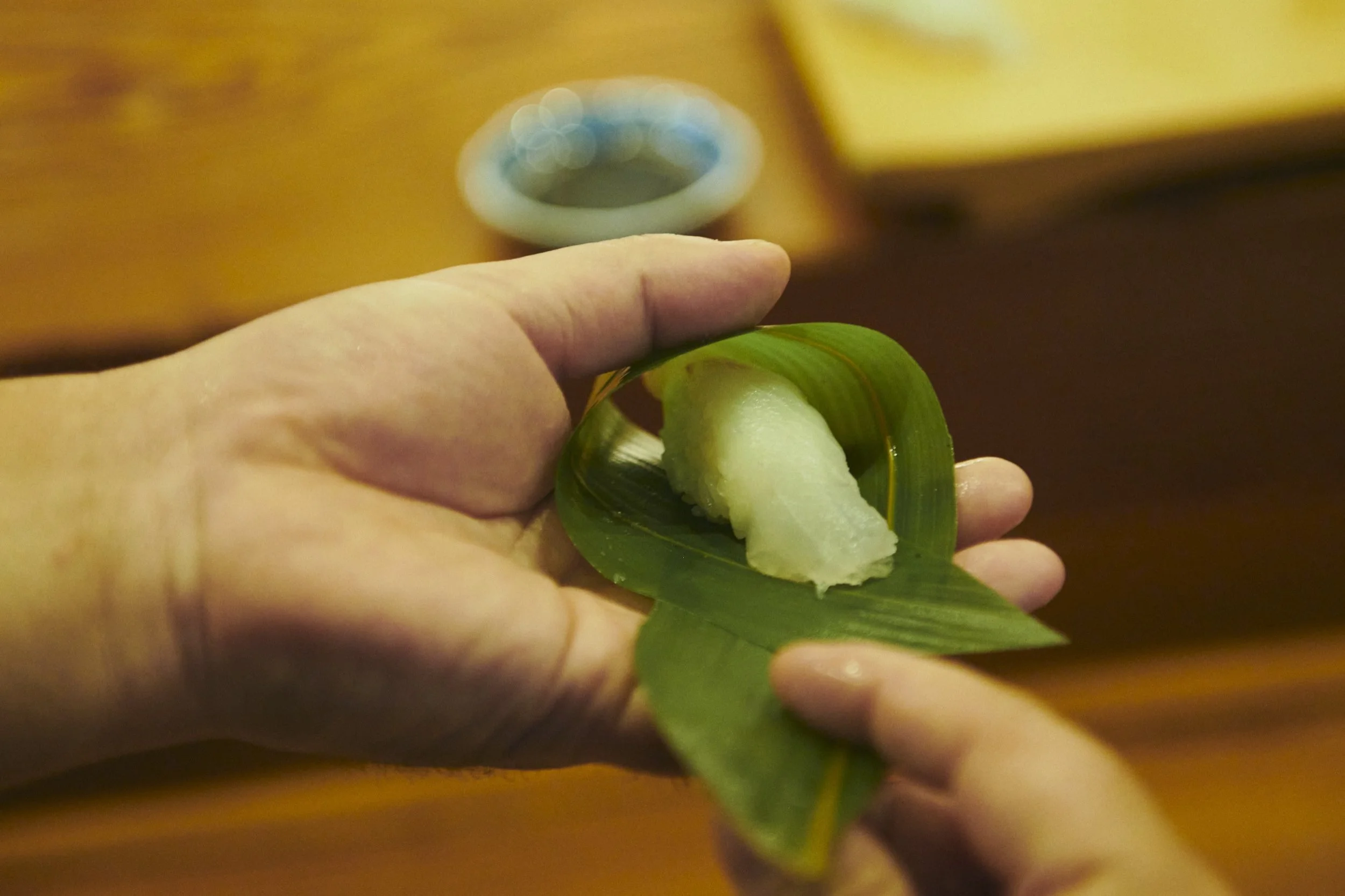
Ji-zakana Sushi Masterclass
How Sushi Became Popular Worldwide
Following World War II, sushi gradually spread overseas alongside Japanese immigration and international travel.
The 1960s and 1970s saw sushi restaurants opening throughout North America, followed by Europe, Australia, and later much of Asia.
Regional adaptations soon emerged:
California rolls with avocado
Cream cheese rolls
Tempura rolls
Sushi burritos
Vegetarian sushi
While these modern interpretations differ from traditional Japanese sushi, they have introduced millions of people to Japanese cuisine.
Today, sushi ranges from affordable conveyor-belt restaurants to some of the world's most prestigious fine dining experiences.
The History of Sushi & The Future of Sushi
What began as a method of preserving fish gradually transformed into one of the world's most iconic cuisines. Throughout its history, new ingredients, preservation techniques, refrigeration, transportation, and changing tastes have continually reshaped how sushi is prepared. Regional specialties across Japan continue to preserve centuries-old traditions while modern chefs experiment with sustainable seafood, local ingredients, and innovative presentation.
Understanding the history of sushi offers a deeper appreciation for one of Japan's greatest culinary traditions. Go deeper with authentic sushi workshops led by professional chefs on your next trip to Japan, from 5th-generation Edo-mae chefs in Tokyo to Fukuoka Michelin restaurants utilizing fresh Kyushu catch.
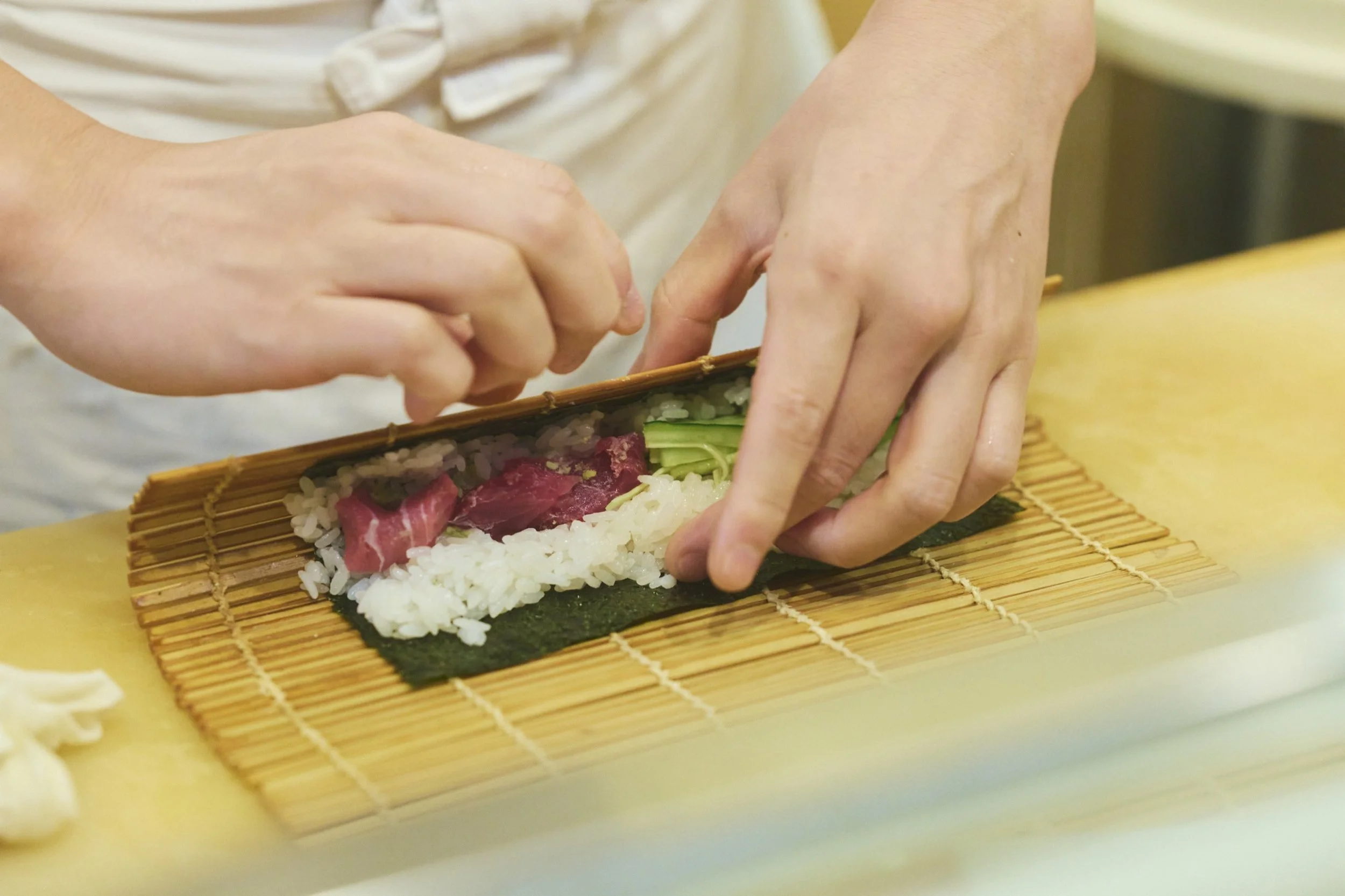
Mastering Edo-mae Sushi
FAQ: History of Sushi
-
No, sashimi consists of only raw fish or meat with no rice, while sushi always comes with vinegared rice.
-
Yes, sushi is defined by its vinegared rice but does not require raw fish to be sushi. Some sushi has cooked fish, meat, and vegetables that can be steamed, baked, fried, or grilled.
-
It can take over 10 years to become a sushi chef since they have to learn the techniques of preparing the fish and rice until it becomes second nature to them.
-
During the early 1600s, wasabi cultivation had started to become more common but it was only until the beginning of the 1800s that wasabi was added to nigiri to help lessen strong odors and bacterial growth.

Gain exclusive access to the world's largest fish market