
2 hour private experience
Location: Sakado City, Saitama Prefecture
Offered in Japanese, with a friendly Deeper Japan guide interpreting in your language
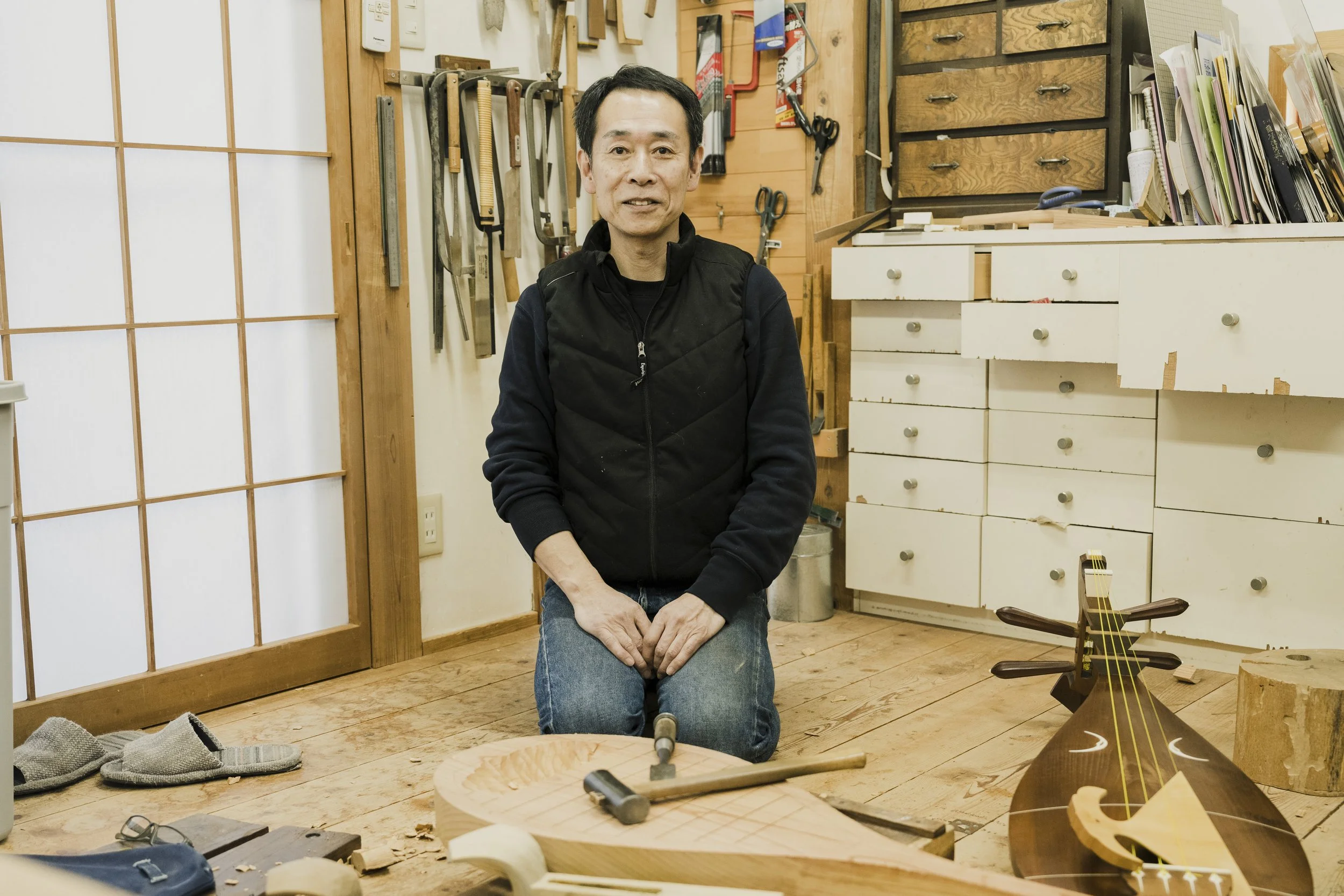
Meet the Master
What you’ll do
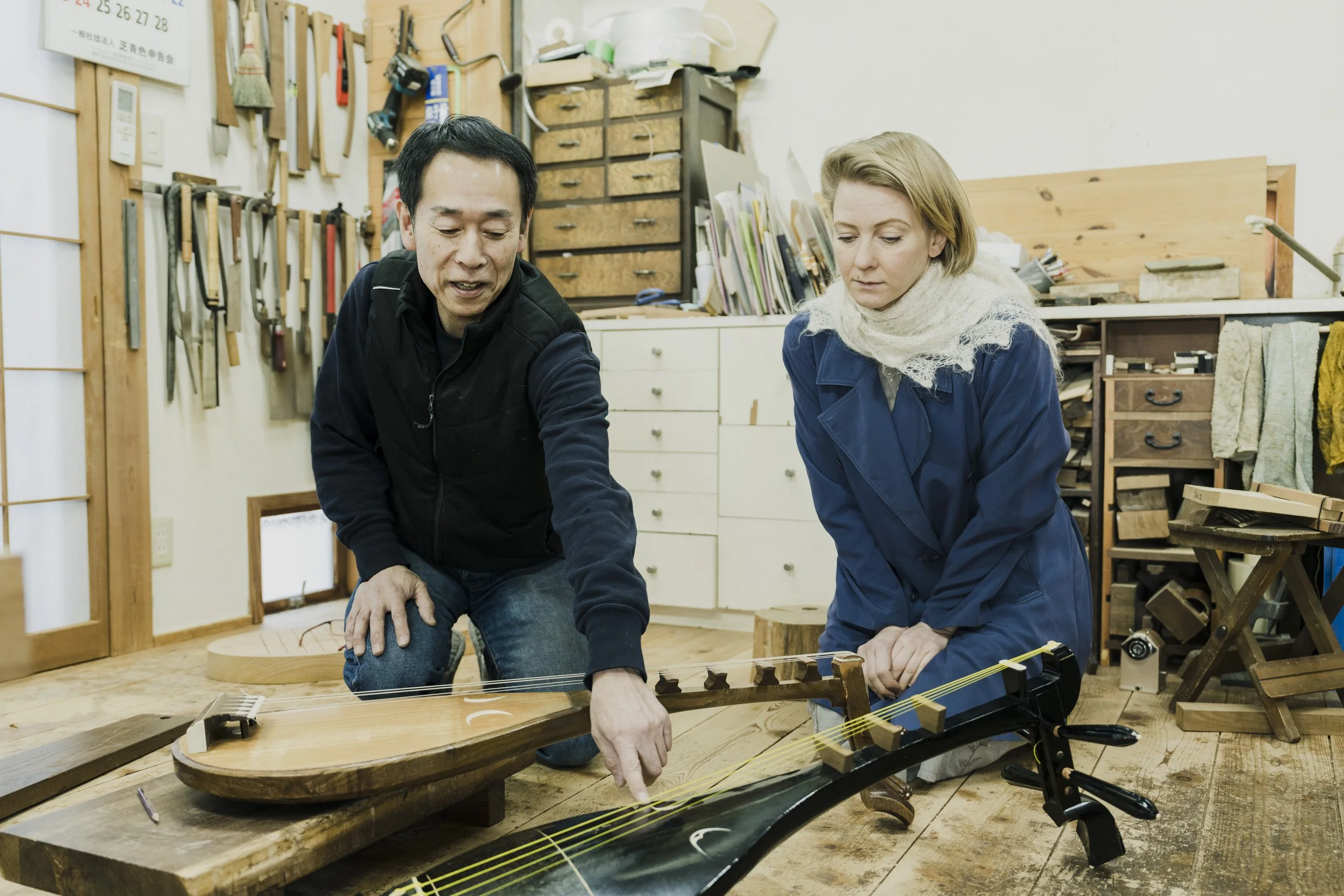
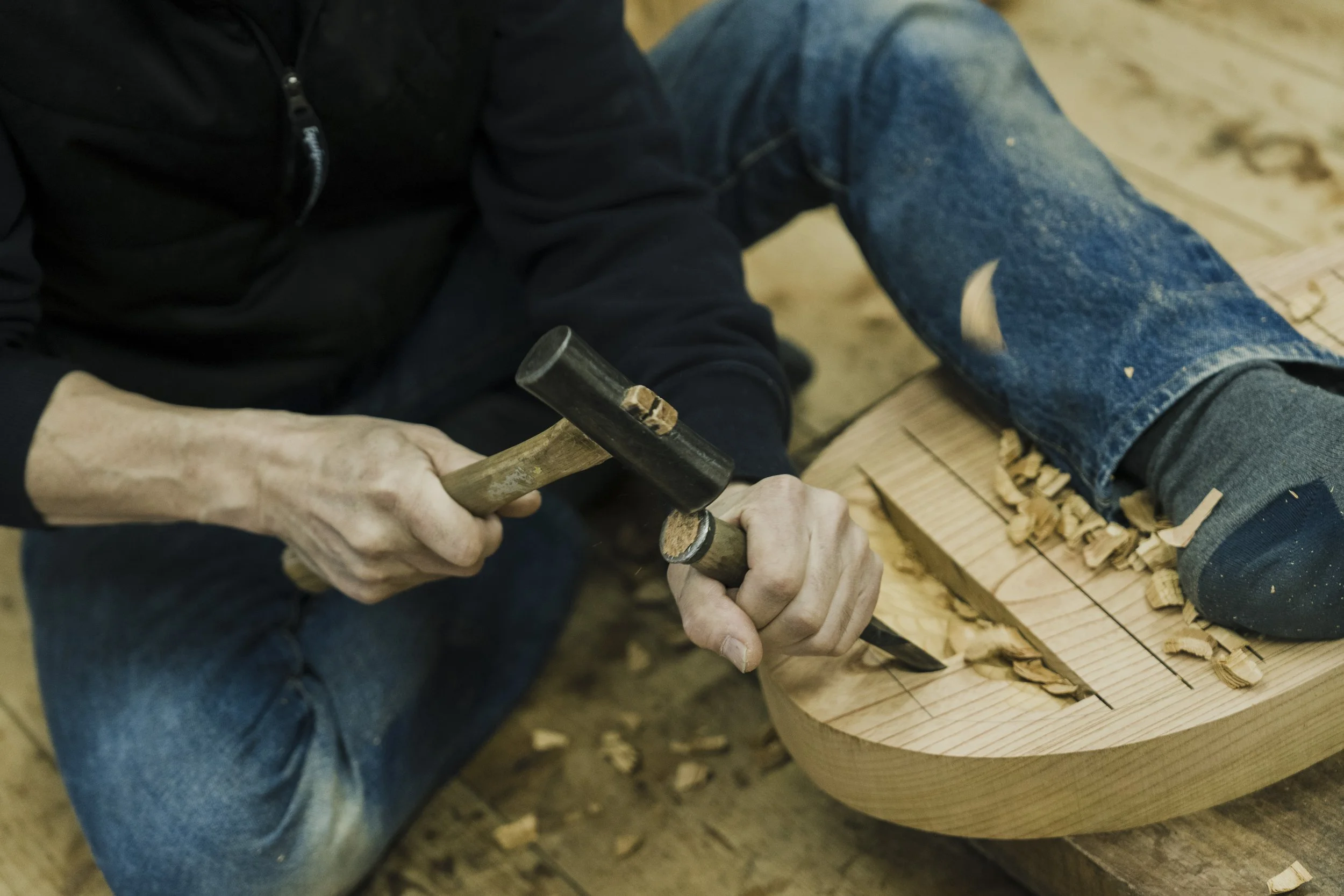
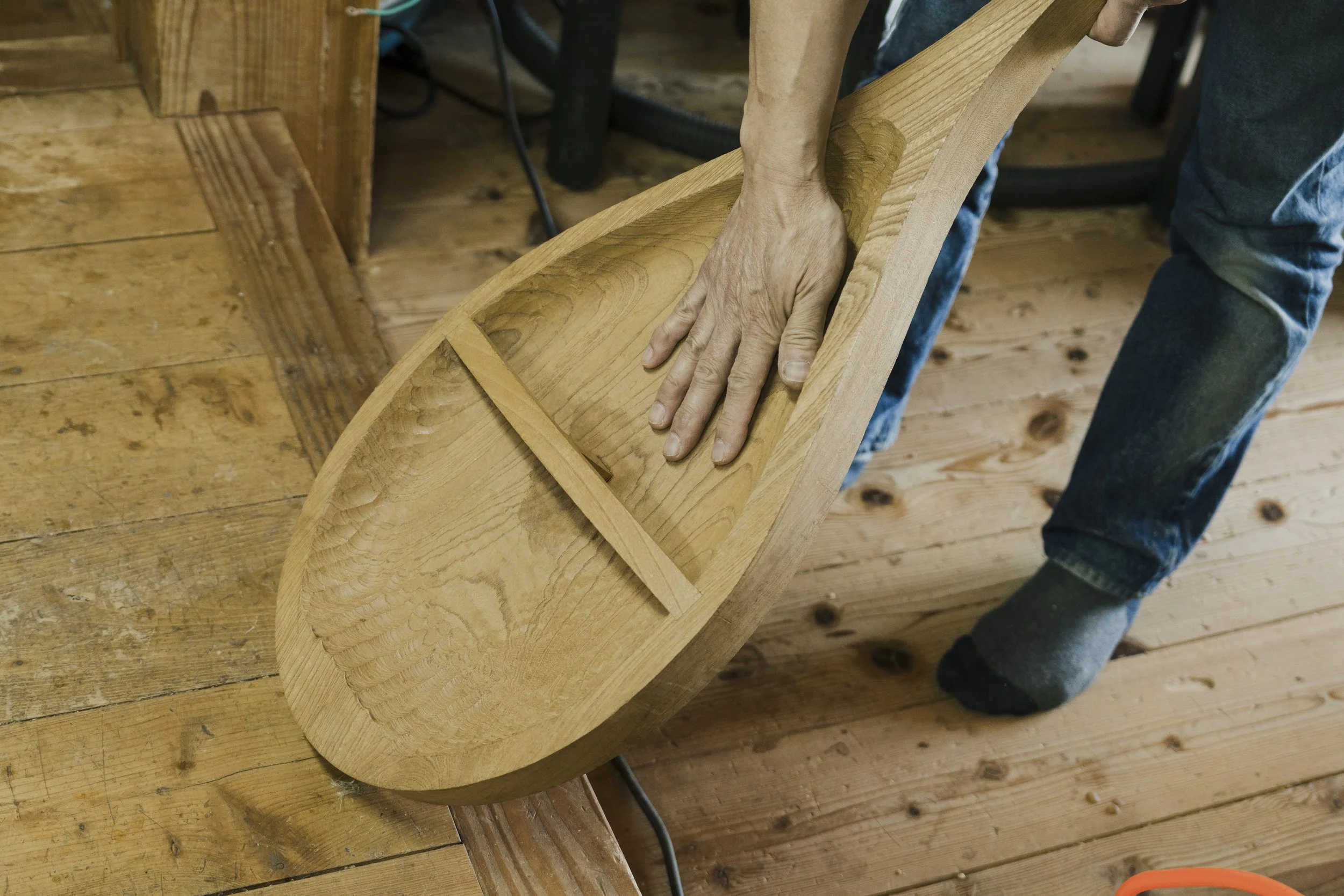
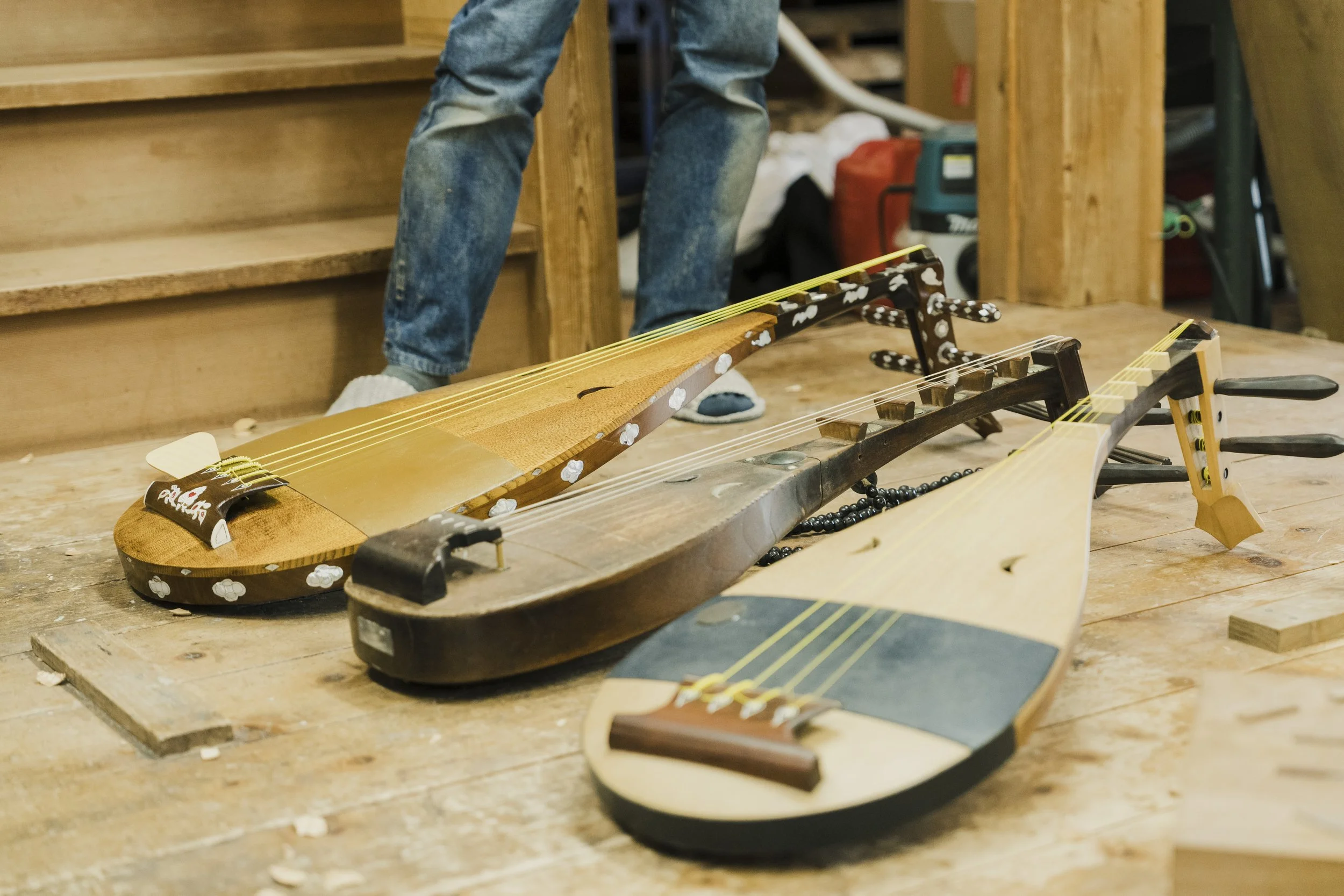
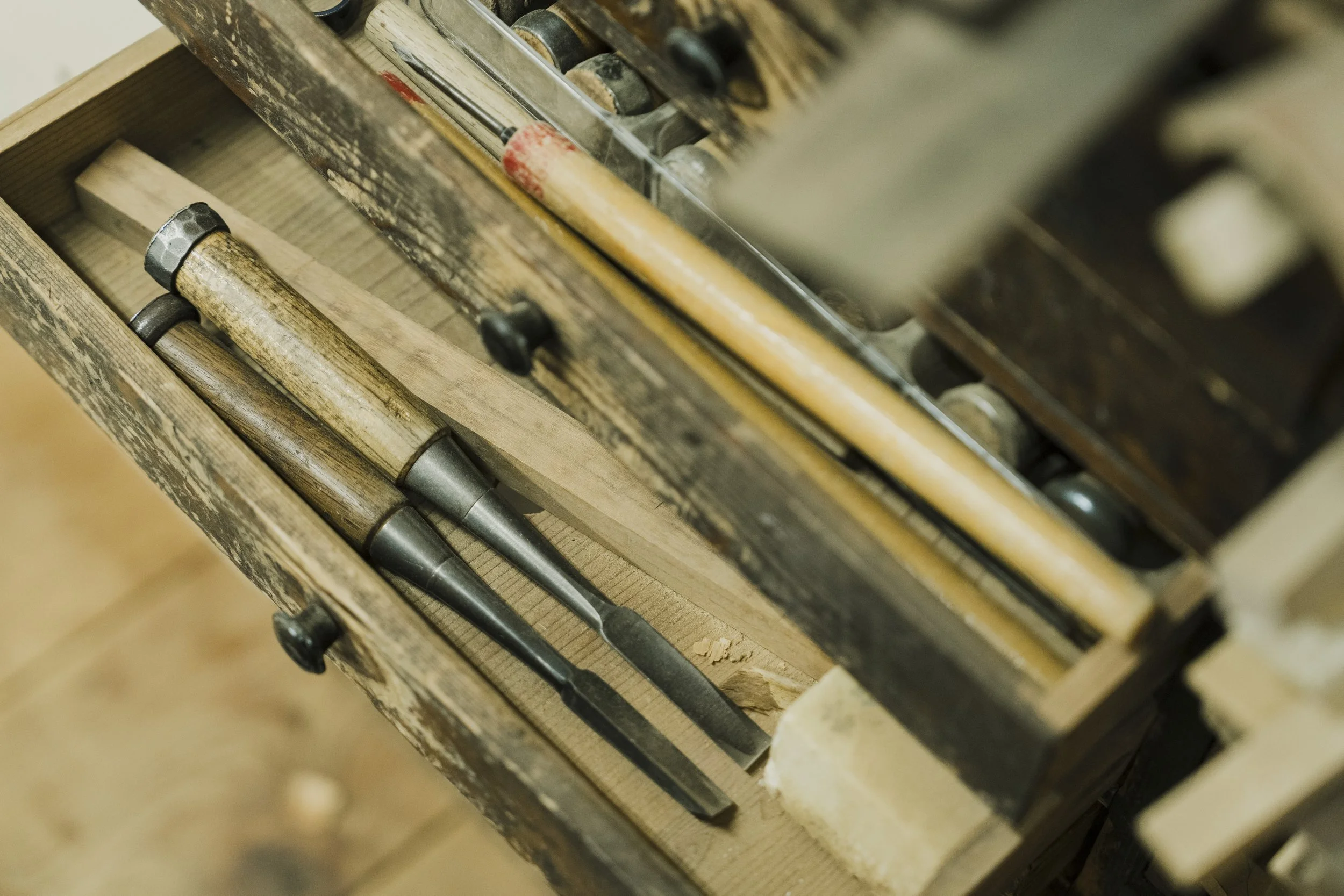
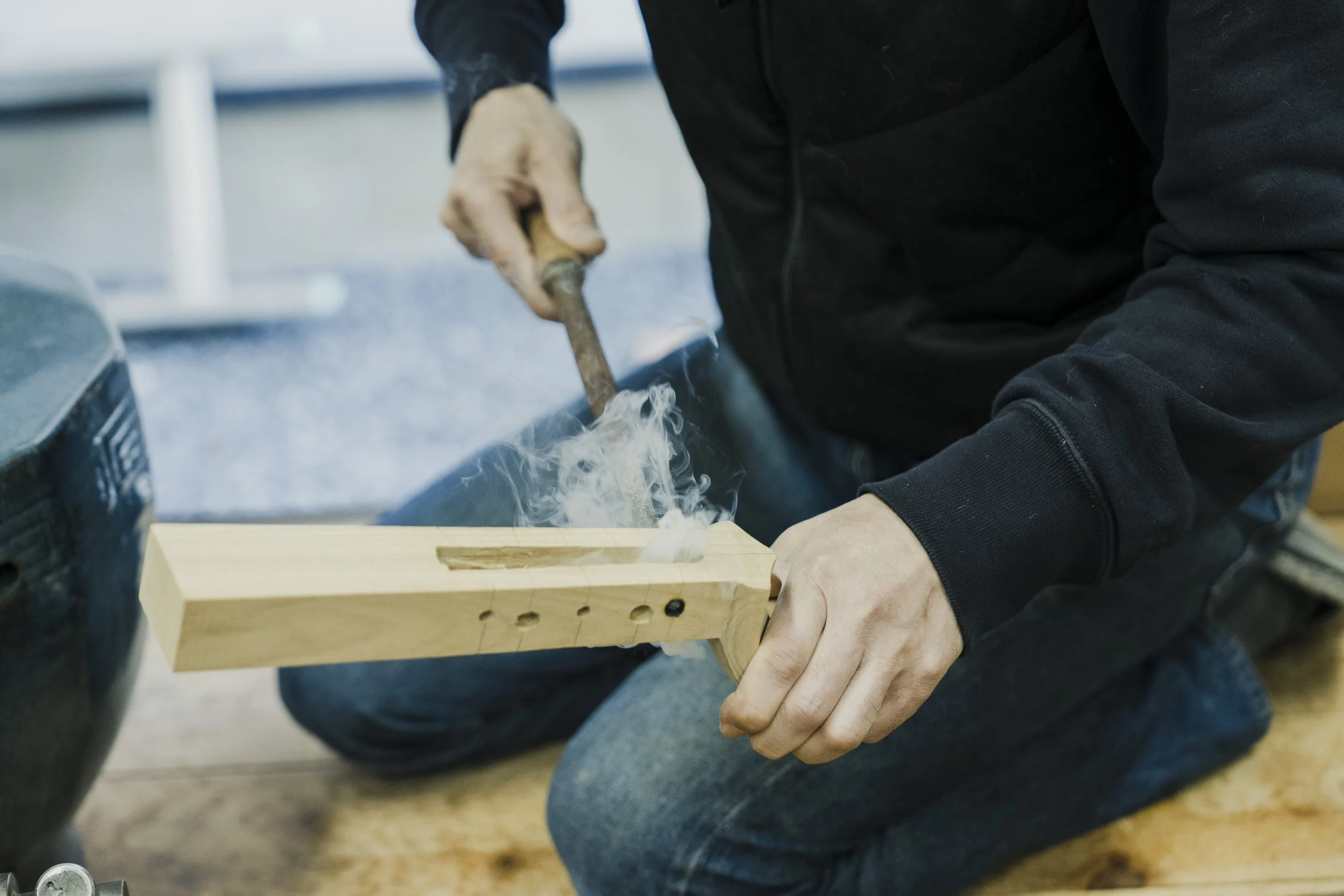
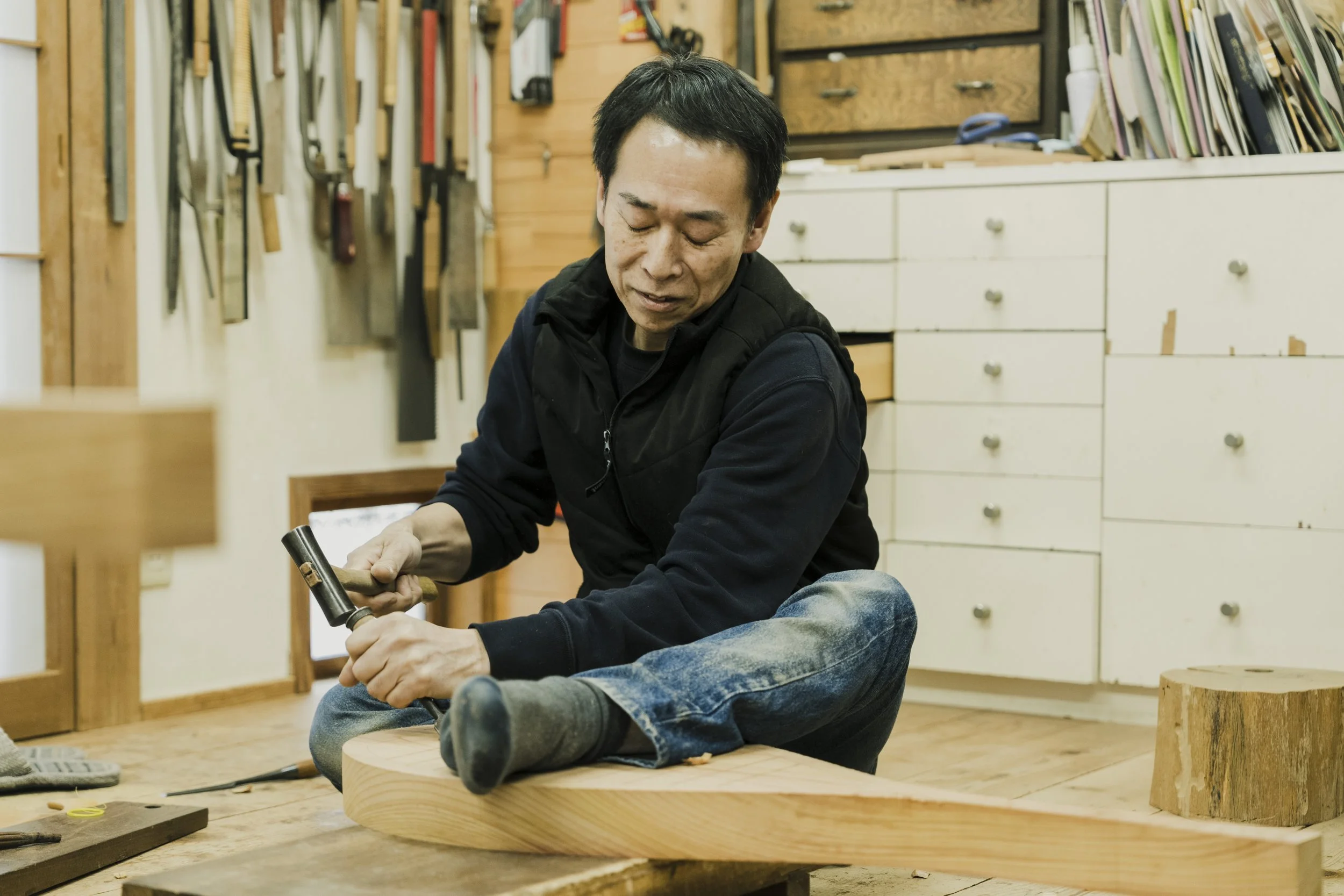
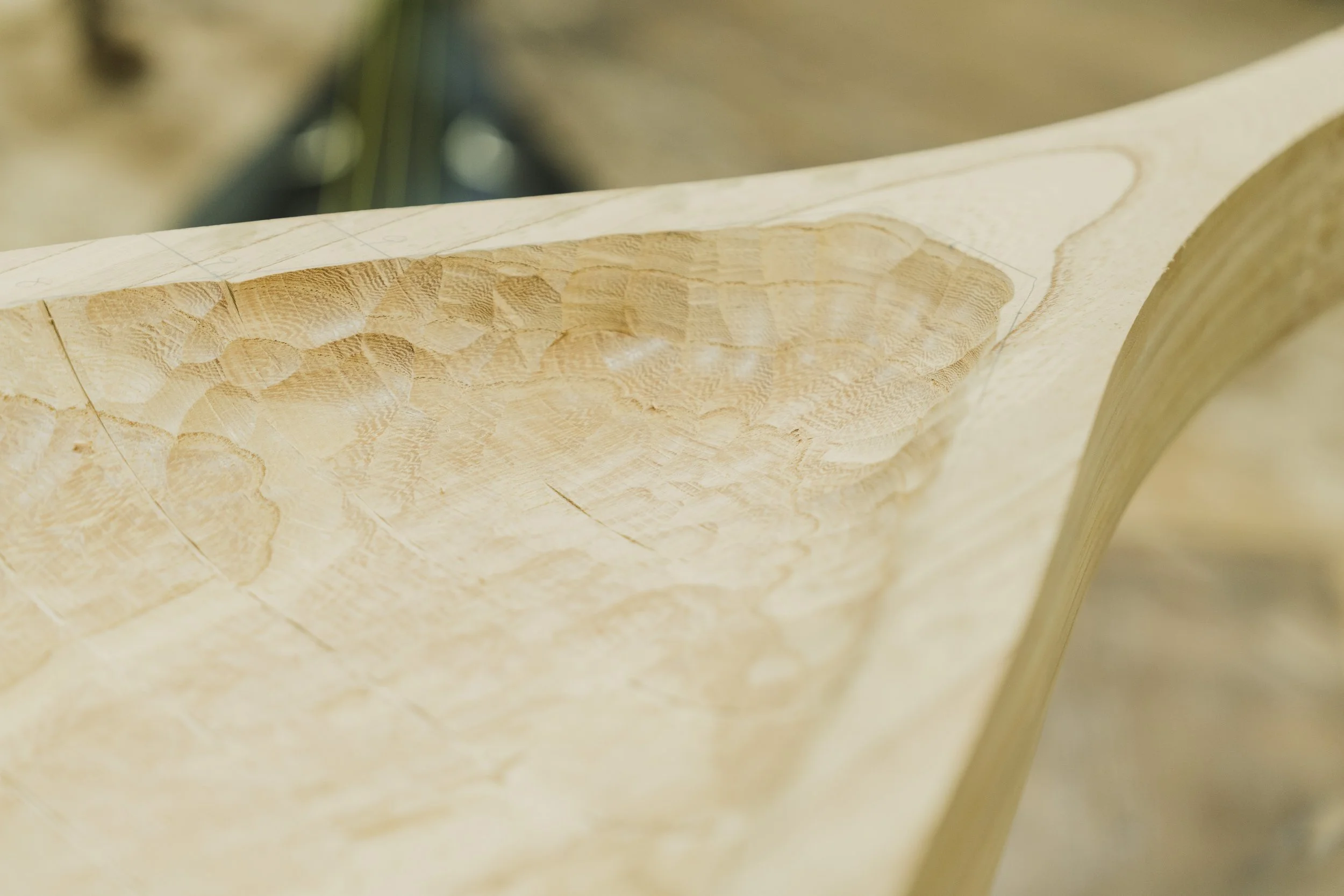
Witness the handiwork of the master as he carves the biwa main body from a single piece of wood. Catch a glimpse into the intricate process of creating and assembling the various parts of the intrument, while learning about the history of the biwa and its various forms. Finally, listen to a performance from the master craftsman himself.
What you should wear
Comfortable clothing that does not restrict movement
Availability
Monday to Friday
Session 1 (14:00 - 16:00)
Unavailable in August.
Access
1 hour and 15 minutes by car from Tokyo Station
1 hour by car from Omiya Station
Carved from Nature
The sound of the biwa carries with it the tradition of Japanese court music, as well as oral storytelling. Related to the Chinese stringed instrument, the pipa, which arrived in Japan through the Silk Road around the late 7th century, the biwa has been a part of Japan's cultural landscape for over a thousand years. Resembling a short-necked lute, the biwa was first used in Japanese Imperial Court music, or the gagaku. But it truly came to life in the hands of biwa hōshi—blind monks who traveled the country reciting the Tale of the Heike, a dramatic medieval epic about war, loss, and heroism. Different styles of the biwa emerged across different regions and time periods, and it became a powerful symbol of both the samurai spirit and Buddhist teachings about impermanence. Today, while not commonly heard in everyday life, the biwa is experiencing a quiet revival, with its sound reaching overseas and into the waves of contemporary music. In the studio of this 5th-generation biwa craftsman, the master has been carefully crafting new biwa, as well as repairing existing biwa for musicians and performers all across Japan. Catch a glimpse into the intricate process of creating and assembling the various parts of the intrument, while learning about the history of the biwa and its various different forms.









Cancellation Policy
Please make your booking at least 7 days in advance. See cancellation policy here.
A detailed itinerary will be emailed to you once your booking has been confirmed.