
Setting the stage for culture
From stoic Noh performances to near life-sized (and life-like) Bunraku puppetry, Japanese performing arts represent centuries of heritage, brought to center stage.
An Introduction to Japanese Performing Arts
Before a single word is spoken, the body has already begun to tell a story. A slow stamp of the foot against the stage. The drawn breath before a drumbeat. Light catching along the carved curves of a mask. Japan's performing arts have been dually deemed inscrutable and mesmerizing—both deservingly so.
Across centuries and across forms — the austere, ghostly movements of Noh; the stylized spectacle of Kabuki; the intimate precision of Bunraku puppetry — Japan has cultivated a performance tradition that resists easy categorization but draws fervid fans, devout with their support. Japan's performing arts represent one of the world's most sophisticated theatrical traditions, spanning an extraordinary range of forms shaped by distinct historical periods and aesthetic philosophies.
But beyond traditional theater, other forms of performance also thrive.
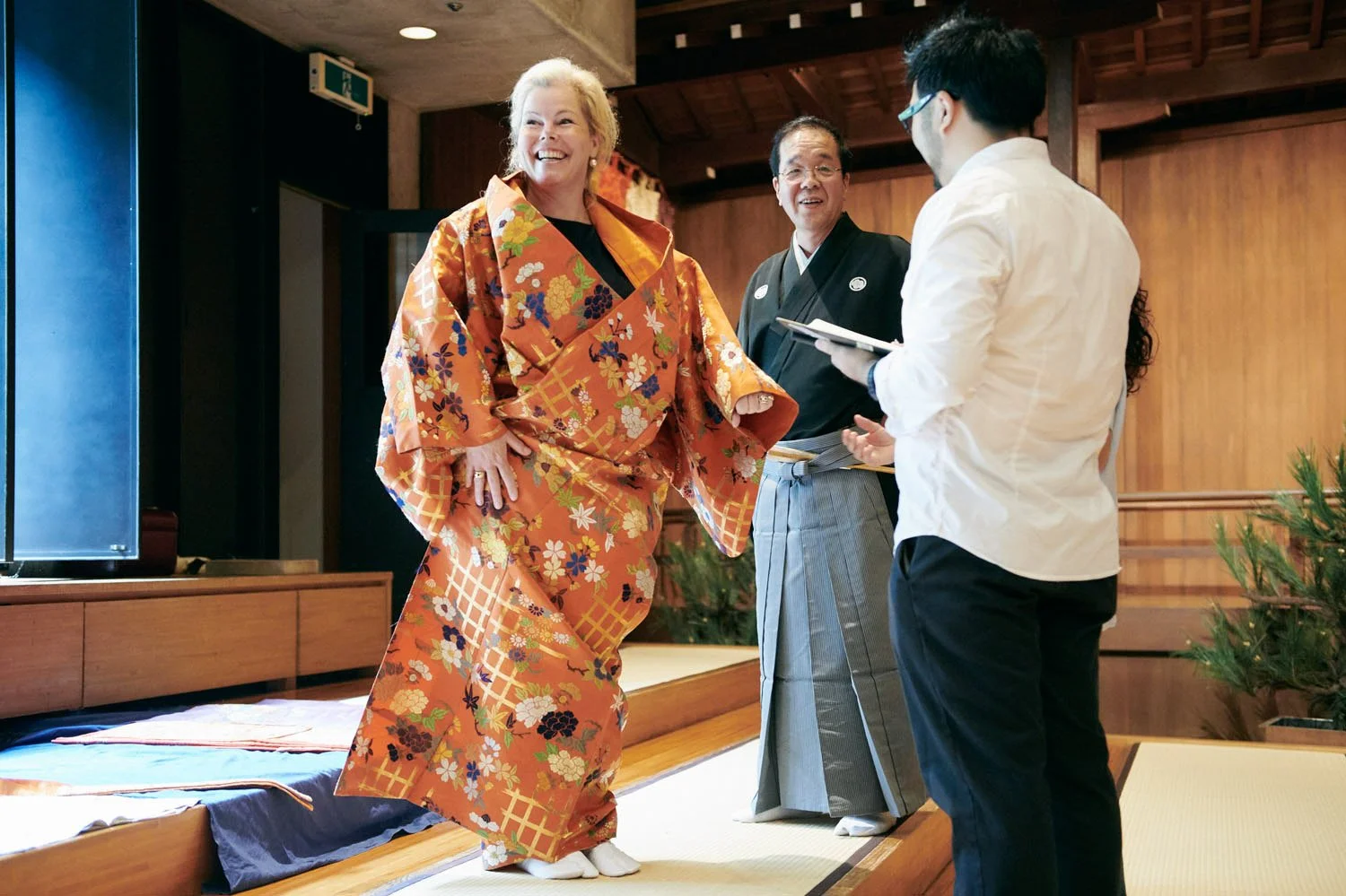
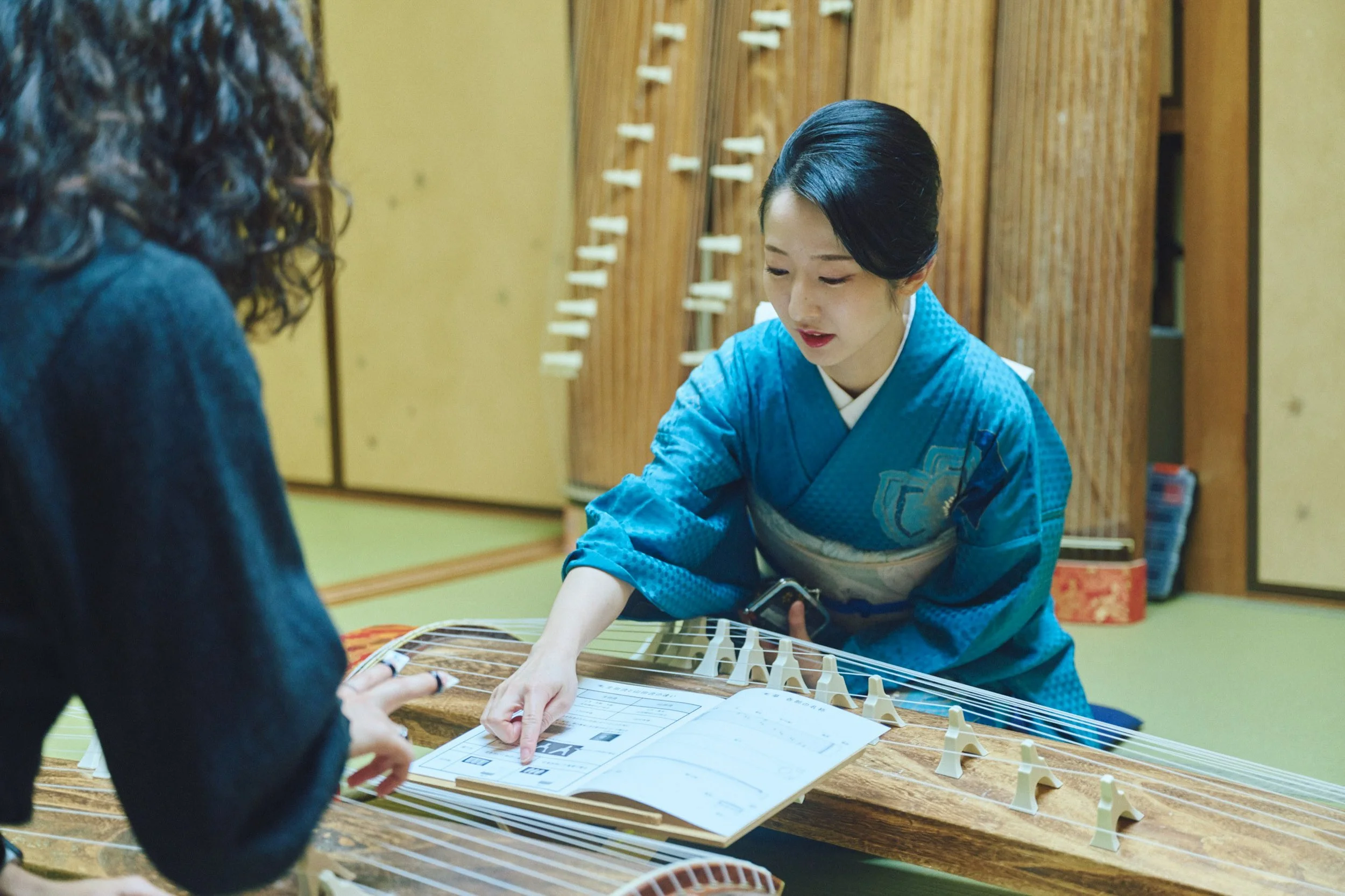
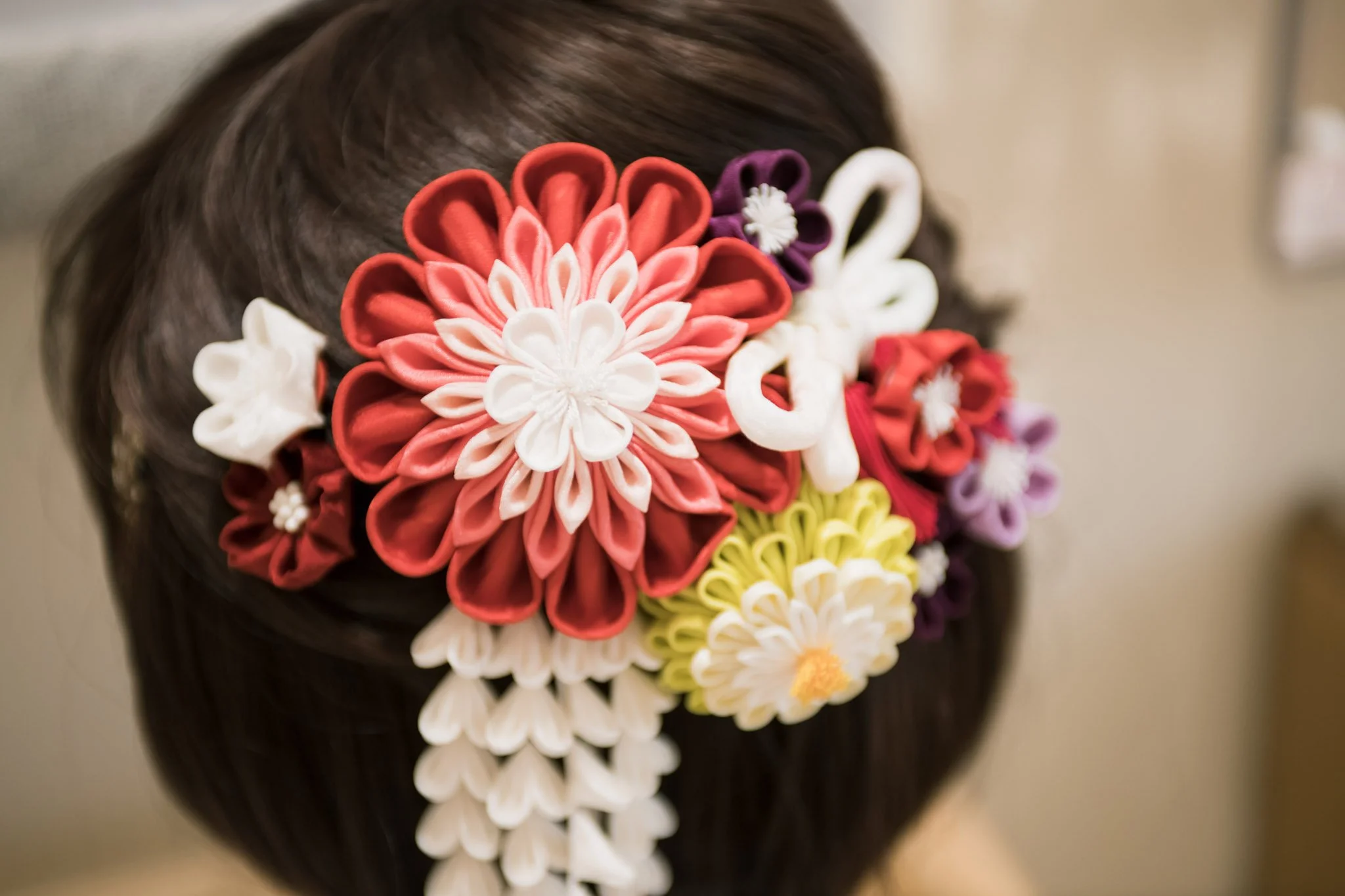
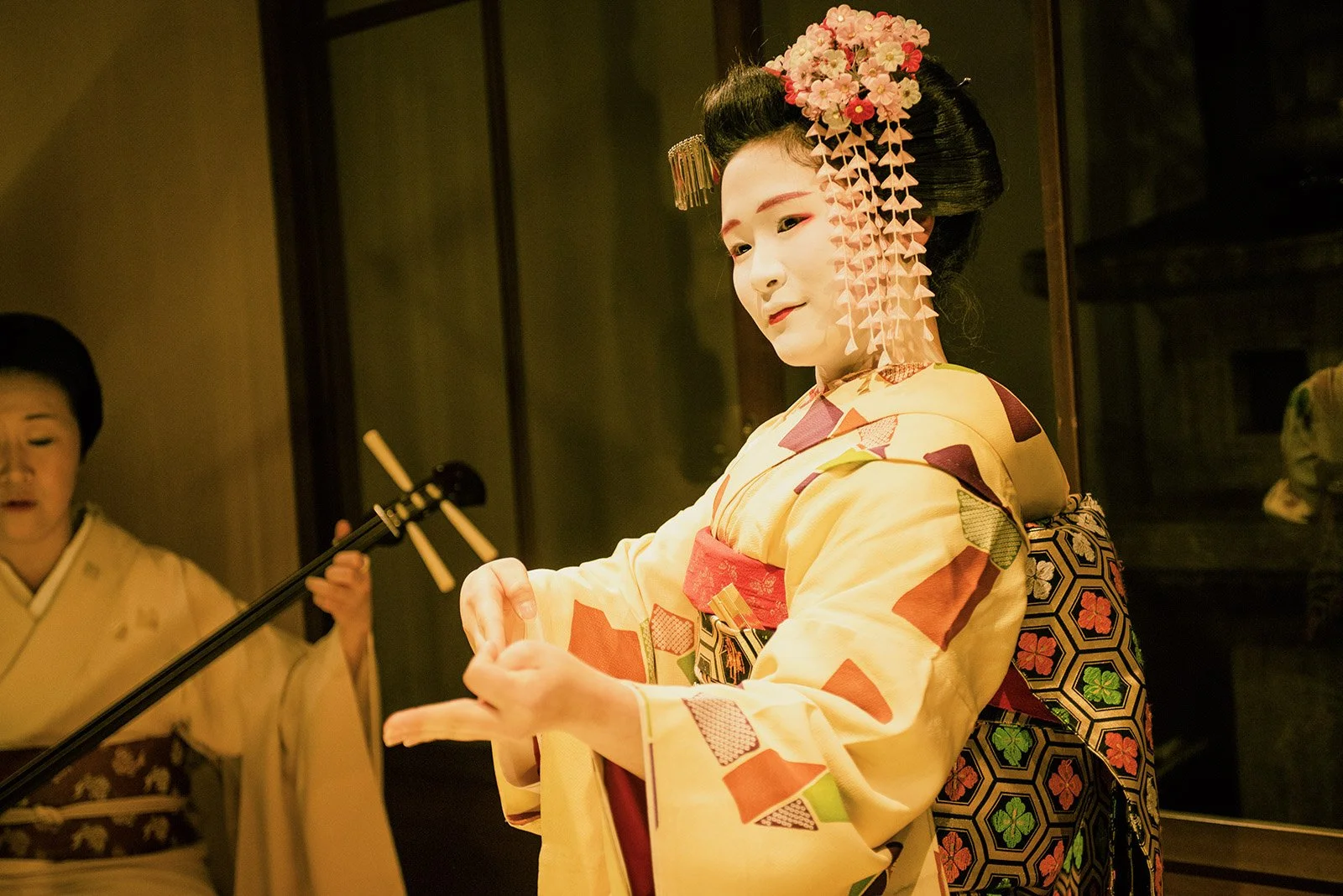
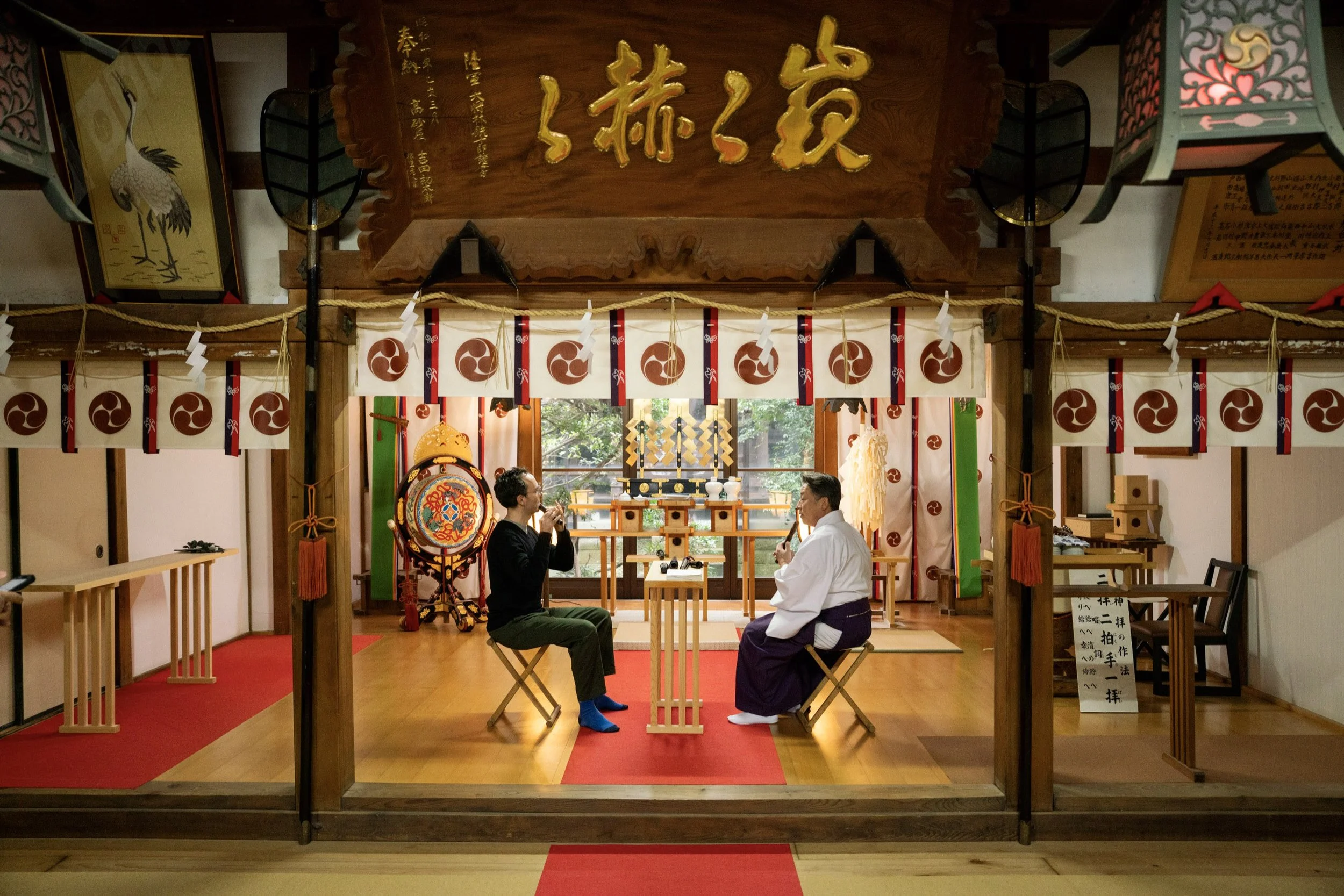
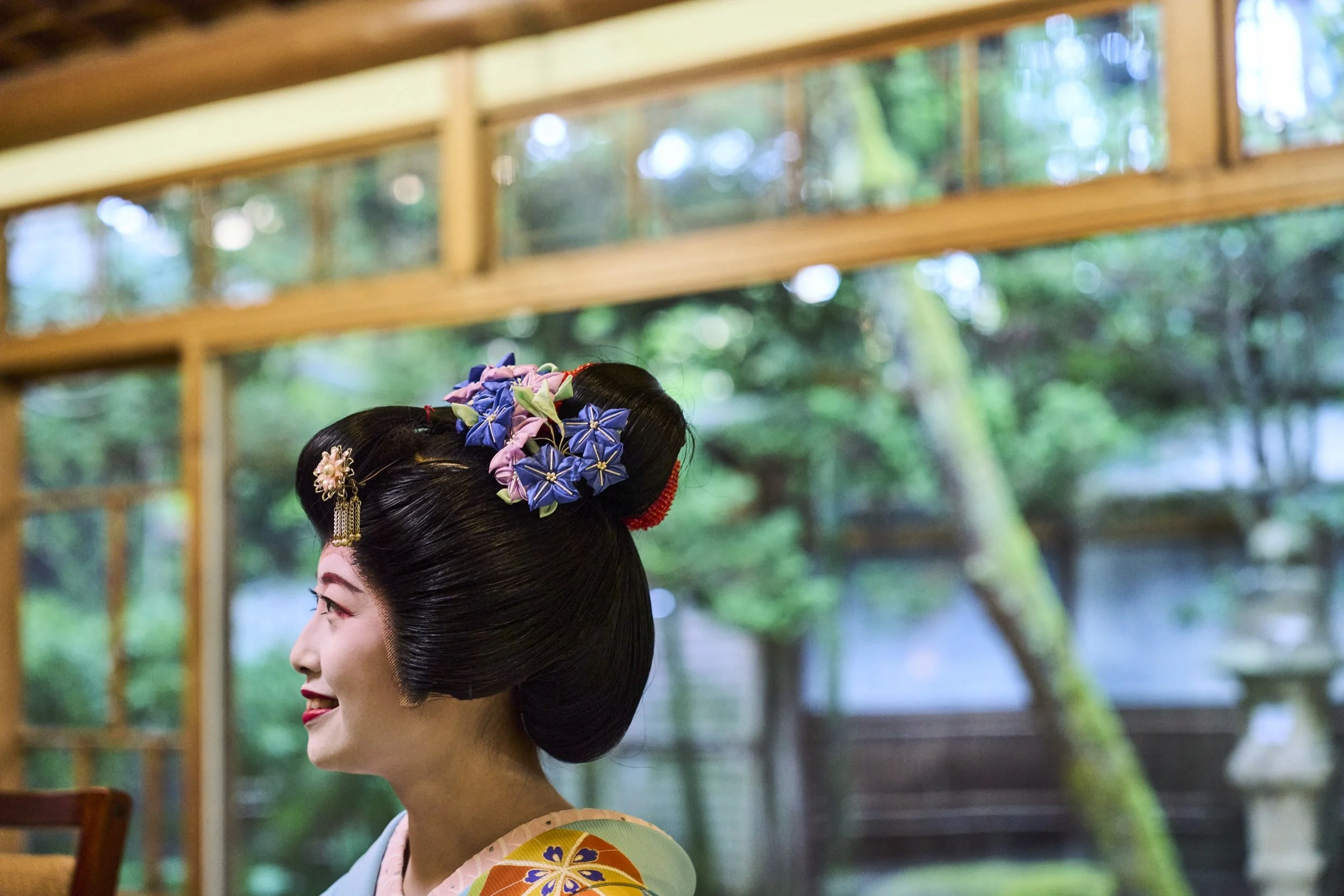
Geisha, clad in elegant kimono and elaborate hair and makeup, stage intimate performances as they sing, dance, and strum classical instruments. Ritual performances, like kagura or the junihitoe 12-layer kimono dance, blend spirituality and staging expertly. Other forms harken to a folk background, where communities gathered in song and dance in celebration.
Join top actors and musicians in authentic performing arts experiences in Japan, whether taking the stage or witnessing the drama right before your eyes.
In this Guide:
The history of Japanese performing arts
What are the different types of Japanese performing arts
Performing arts experiences in Japan
Further reading on Japanese performing arts
Japanese performing arts FAQ
Nearly all of Japan's earliest performing arts can be traced back to religious ritual — either Shinto or Buddhist — or to aristocratic court custom. Many were shaped by Chinese and Korean influence: Gigaku, introduced in the 7th century, was a masked performance tradition used for Buddhist instruction, while Bugaku was a ceremonial court dance performed by and for the nobility.
As the centuries passed, new styles of Japanese performing arts began to develop. Noh theater, paired alongside comedic kyogen performances, had been enjoyed even in antiquity, but was codified in the 14th century due to the visionary oversight of famed Noh performer Zeami. In contrast to the austere Noh performances loved by samurai, the bold song and dance of Kabuki exploded in popularity among the common folk.
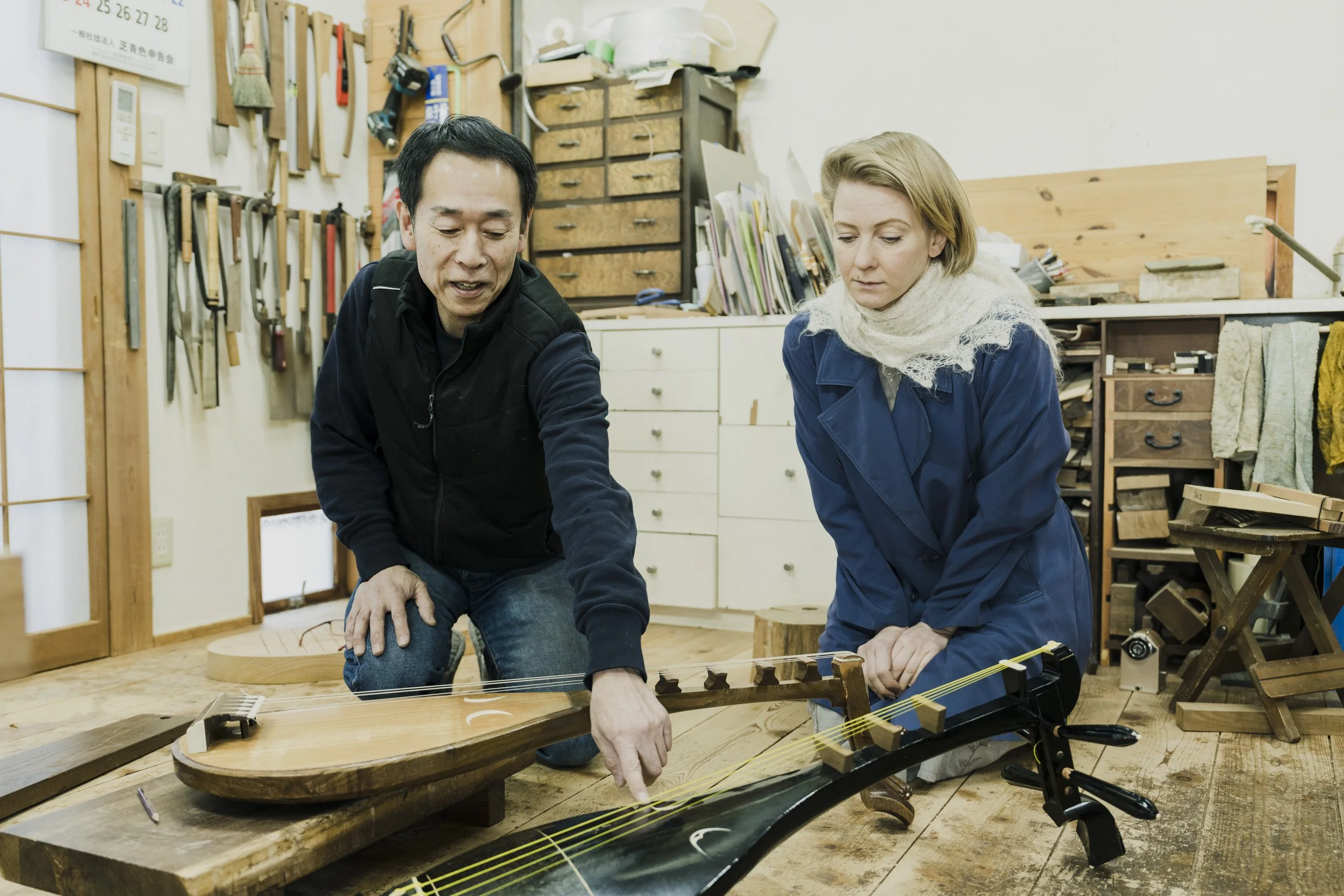
Beyond the theater set on the stage, the art of performance has existed elsewhere in Japan for far longer—everywhere from folk celebrations of harvest in rice fields to the blind biwa lute performers strumming The Tale of Heike as they roamed the streets.
The History of Japanese Performing Arts
Different Types of Japanese Performing Arts
Noh Theater
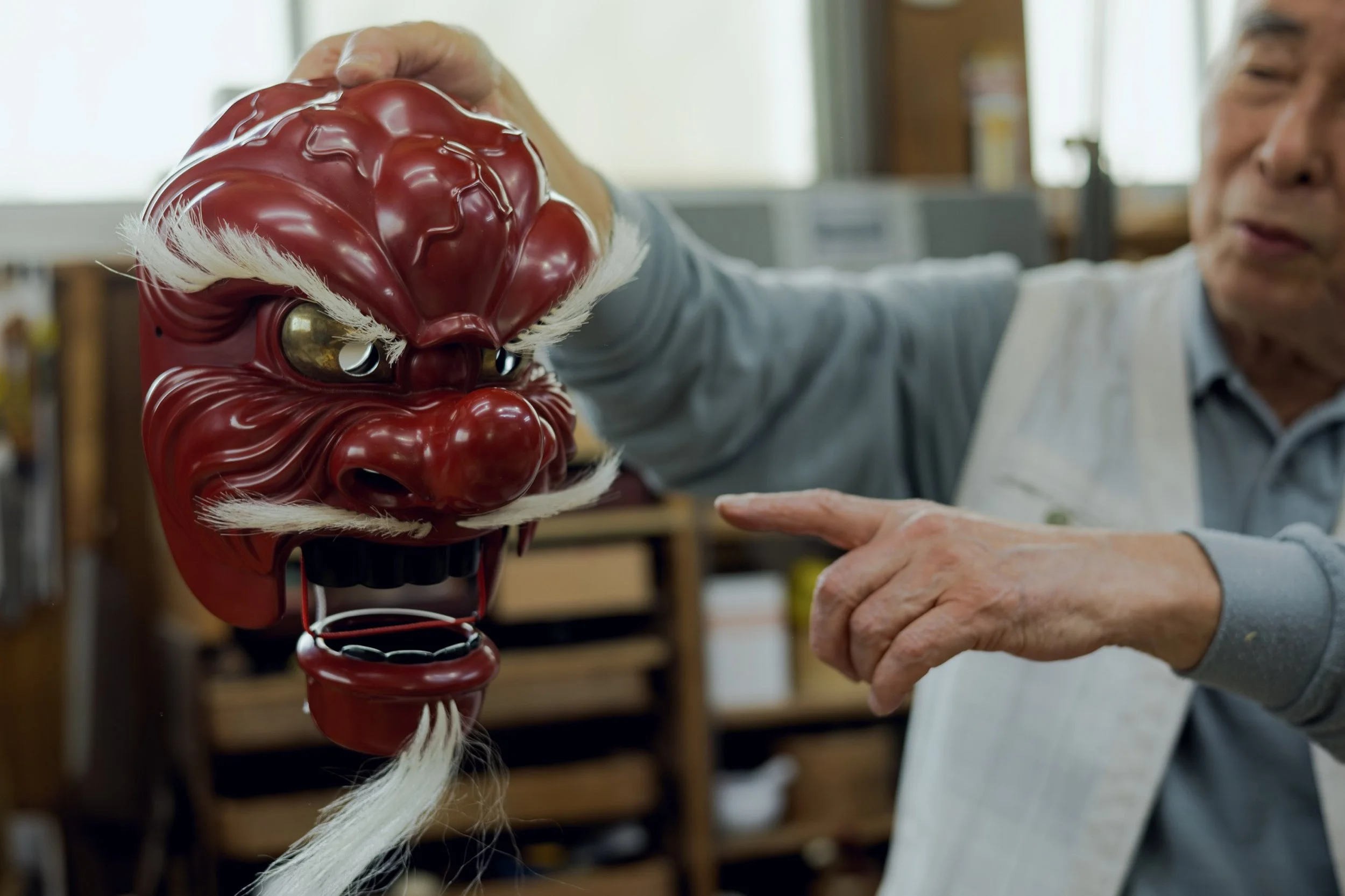
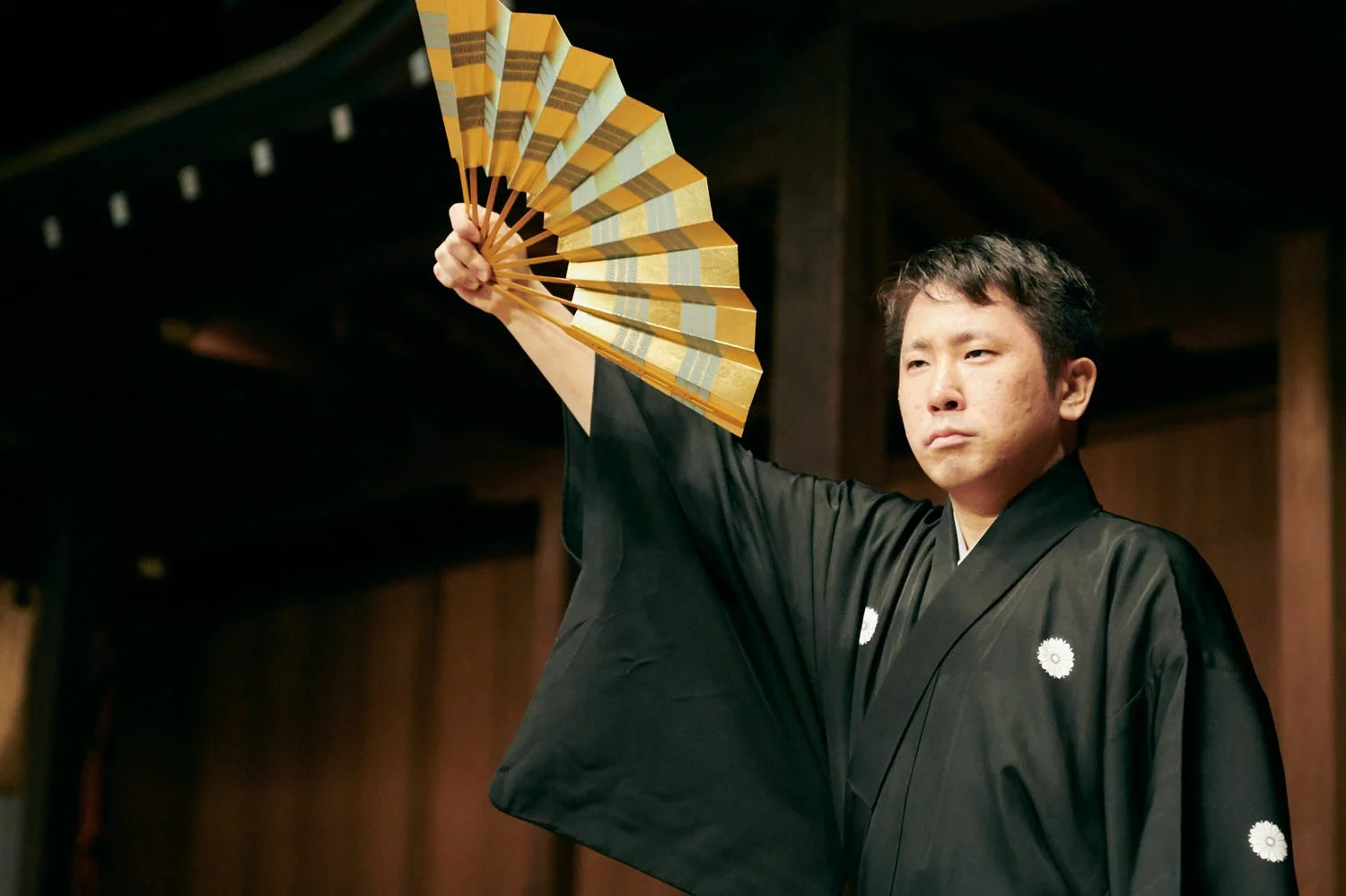
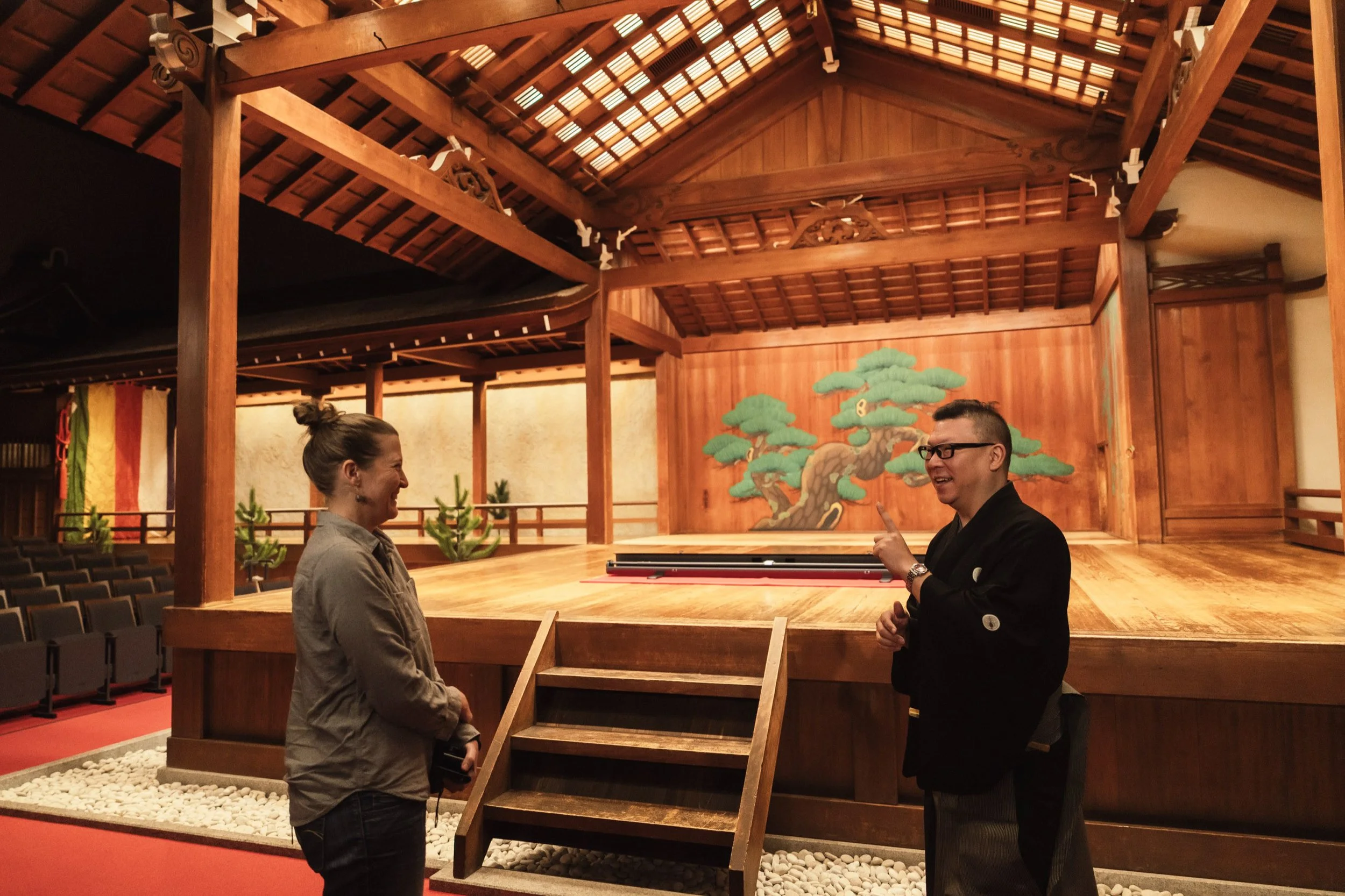
Austere, meditative, and steeped in centuries of spiritual tradition, Noh Theater is one of Japan's oldest performing arts and a recognized UNESCO Intangible Cultural Heritage. Characterized by carved masks capable of expressing a multitude of emotions, slow and deliberate movement, rhythmic chanting, and a stage adorned with a painted pine tree, Noh occupies a world where the human and the divine coexist. Its artistry extends beyond performance to encompass mask carving, costume making, and stage architecture — a living tradition passed down through generations within each school.


Kabuki
Among the most visually gripping theater traditions in the world, Kabuki originated in the early 17th century as popular entertainment for the merchant classes, embracing bold makeup, elaborate costuming, and dynamic dramatic delivery. Its earliest performances are attributed to a dancer named Izumo no Okuni, though women were eventually banned from the stage — giving rise to the onnagata tradition, in which male actors specialize in female roles. Recognized today by UNESCO as an Intangible Cultural Heritage, Kabuki remains a tradition in which celebrated stage names pass through family lines.
Folk Performing Arts
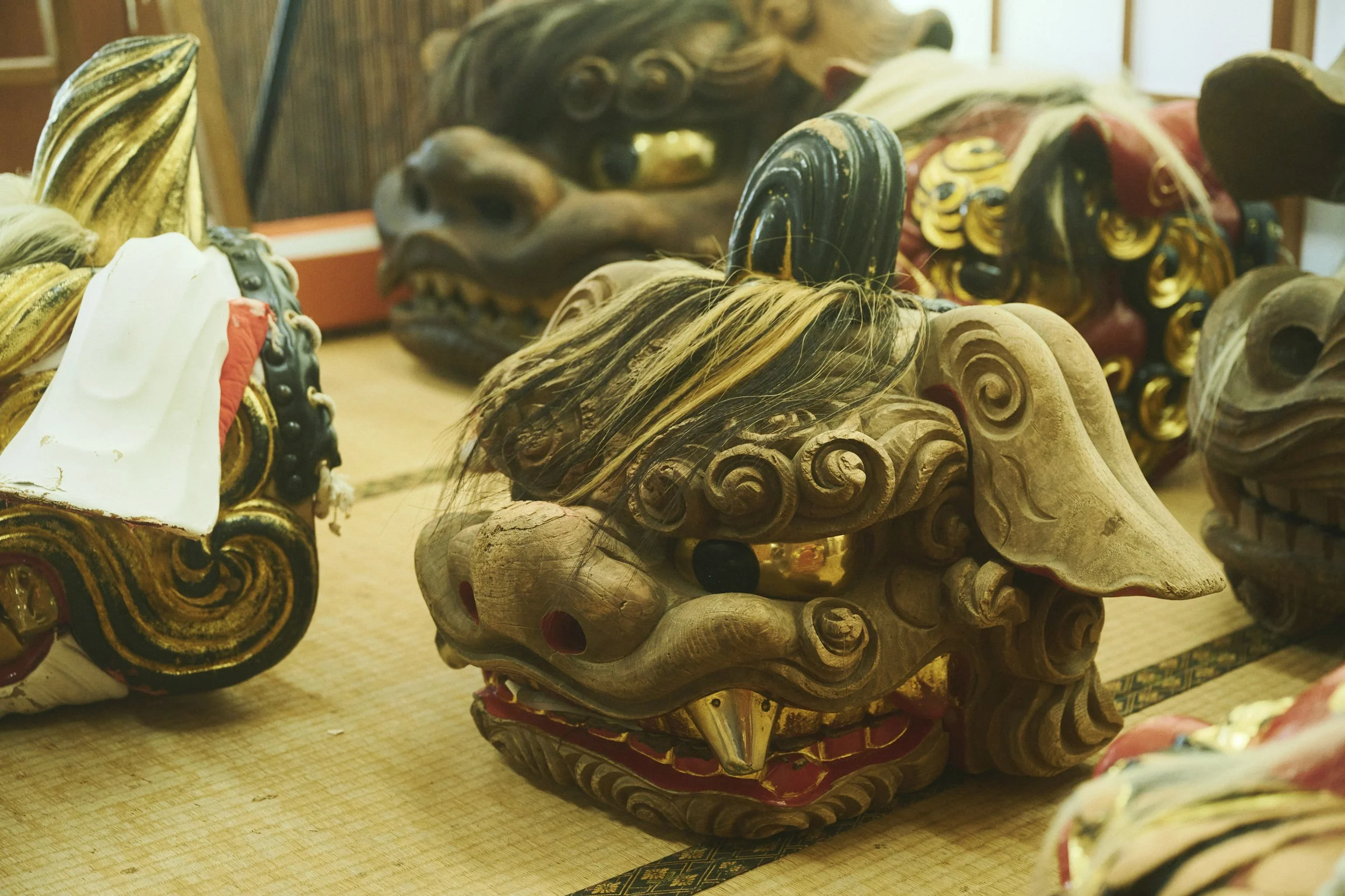
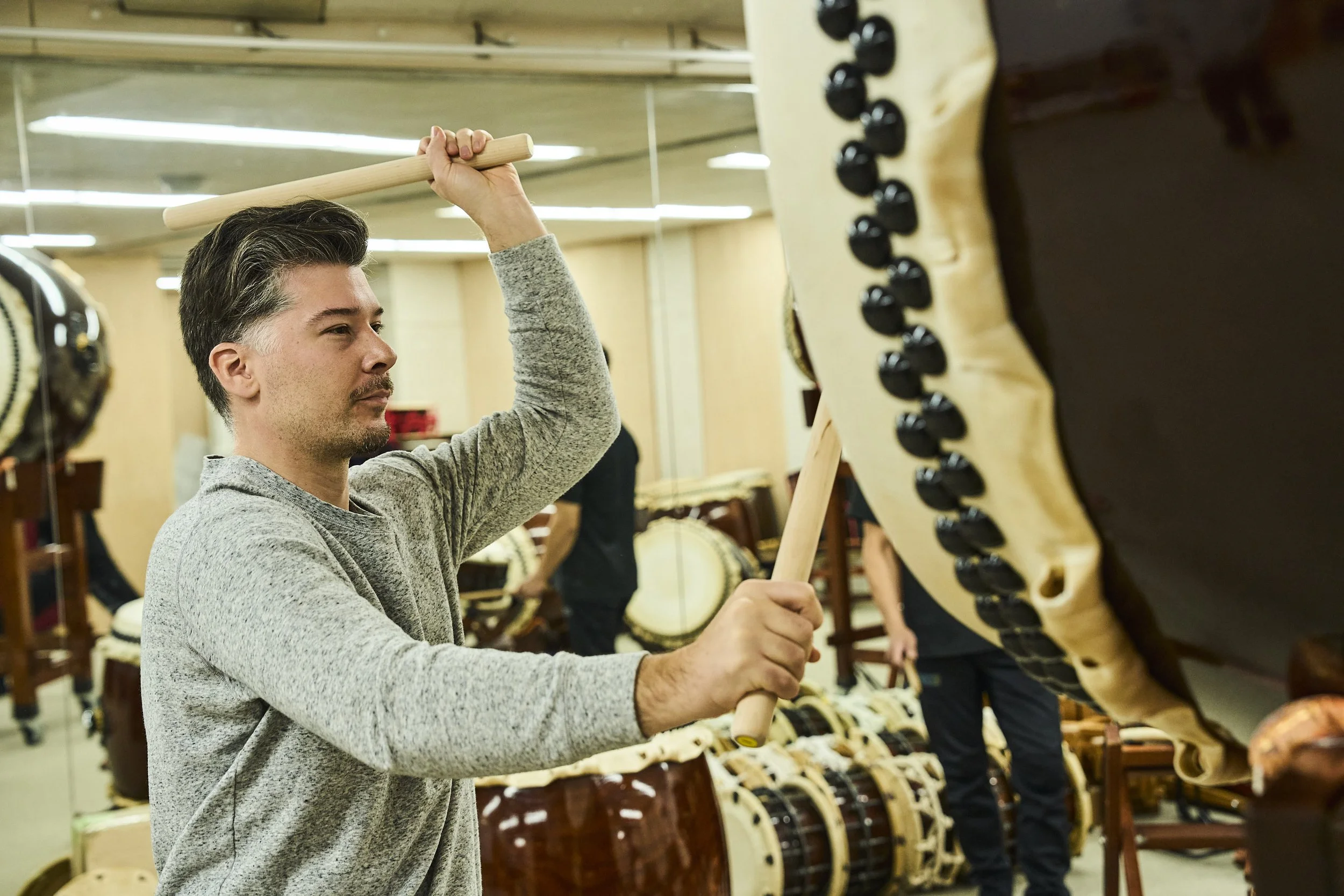
Japan's folk performing arts are as varied as the landscapes that shaped them, rooted in agricultural life and local religious belief, a community celebration rather than a formal stage. From thunderous taiko drumming to the shishimai lion dances performed at festivals across the country, these traditions were never designed for the elite—they belonged to the fields, the streets, and the spaces where ordinary people gathered. Sustained not by institutions but by families and communities, Japan's folk performing arts continue to express the heart and character of Japan’s diverse regions.
Authentic Japanese Performing Arts Experiences
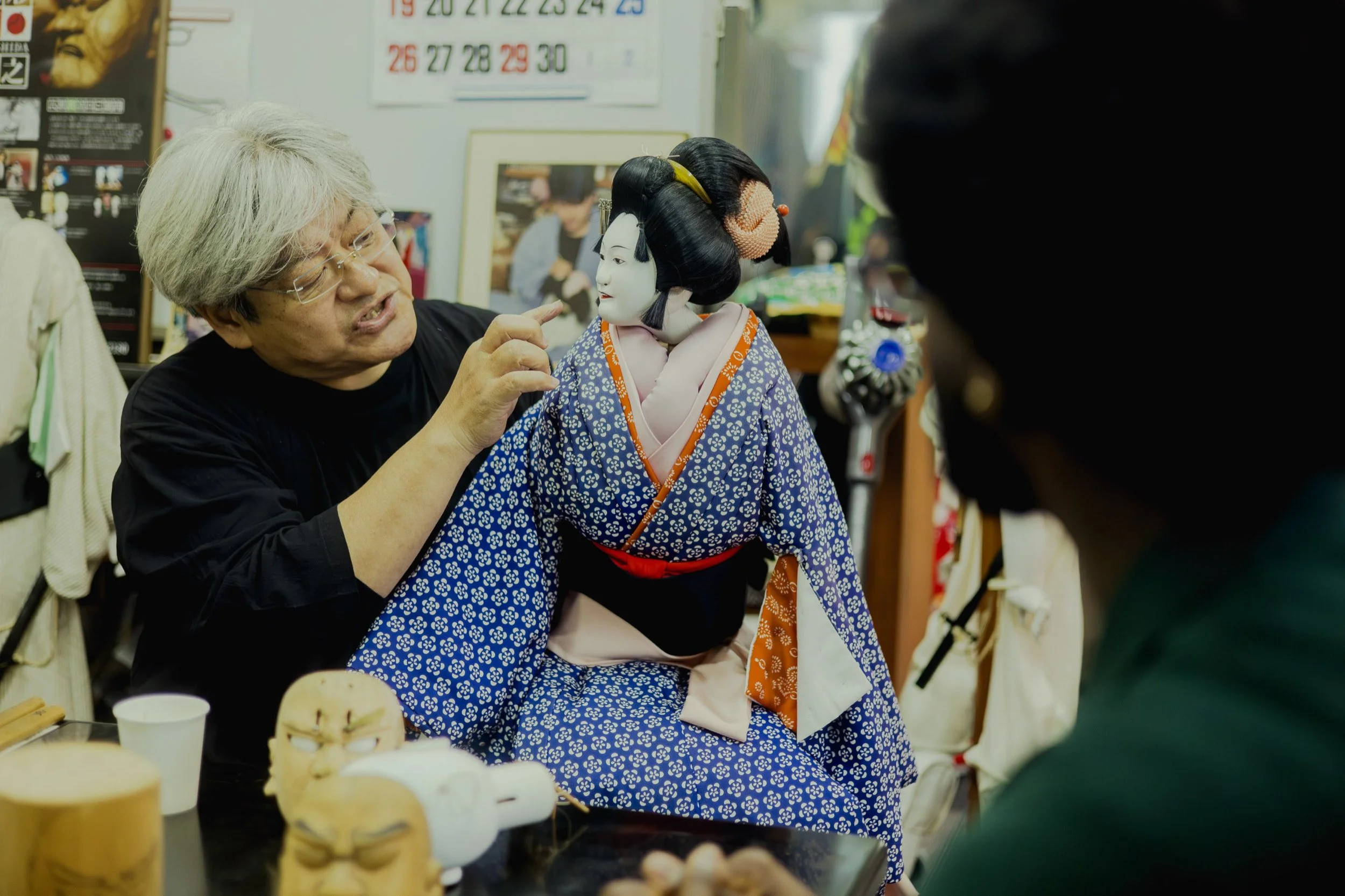
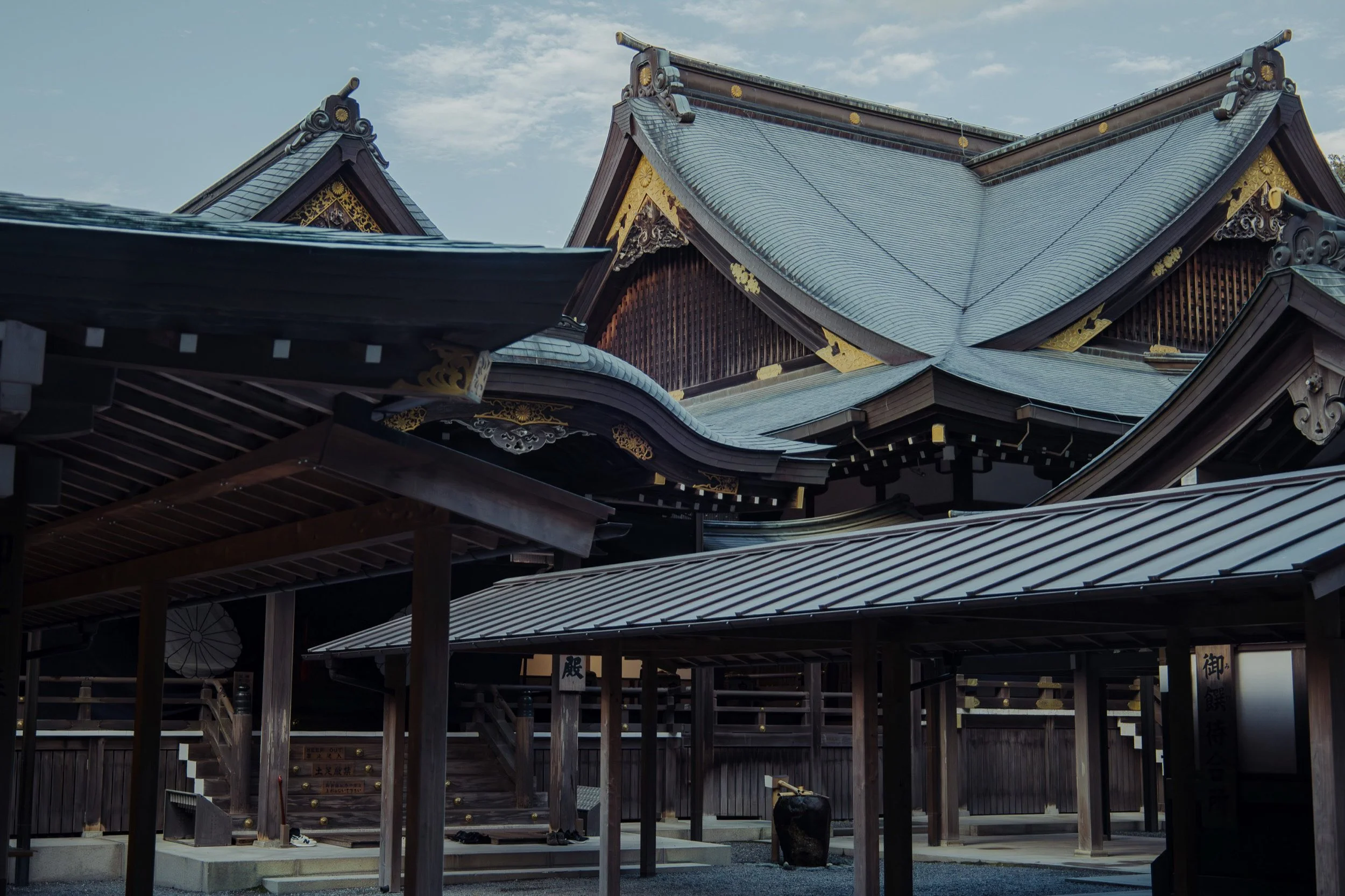
Go backstage at Noh theaters to see where the drama happens, witness live performances of traditional song & dance, and join the craftspeople who create the foundation for every performance.

Tokyo
Kansai
Kyoto

Kanazawa


Dive deeper into Japanese Perfoming Arts
Takigi Noh and Outdoor Theater
Japan’s long tradition of outdoor theater, especially that of Takigi Noh staged fireside, offers illuminating perspectives on performance.
Meet Nobuko, Biwa Lute Master
Learn about this master’s journey to becoming a musical maestro.
Experiencing Time through the Lens of Jo-Ha-Kyu
A rhythm of beginnings, transitions, and climaxes, jo-ha-kyu shapes art, performance—and life itself.
The Gender Divide in Kabuki and Japanese Theater
The history of Japan's gender-divided theater traditions, from the world of kabuki to groundbreaking contributions of women in modern Japanese performance arts.

Japanese Performing Arts FAQ
-
There are countless different types of Japanese performing arts, with Kabuki, Noh, and Bunraku being some of the most iconic. Beyond these styles, art forms like kyogen and rakugo bring comedic flair to the stage, while folk performances, such as the lion dance or Bon-odori, focus less on stages and more on the community.
-
Kabuki, along with other styles of performing arts like Noh and Bunraku, regularly features performances in cities like Tokyo, Osaka, and Kyoto. Tickets can be purchased in advance online, or, depending on the theater, at the door on the day of the performance.
For those looking for a more authentic Japanese performing arts experience that dives deeper into the craft, you can also learn directly from professional performers with Deeper Japan.
-
A stylized theater tradition featuring masks, chanting, and slow, symbolic movement, Noh theater has been performed for centuries.
Noh plays often focus on themes of the supernatural, spirits, and human suffering, whether from unrequited love or troubled warriors.
-
Authentic performing art experiences in Japan can be found all across the country. While some regions may offer a stronger emphasis on certain arts, such as geisha in Kyoto, Bunraku in Awaji Island, and Kabuki in Tokyo, professional performers and artists can be found everywhere.
Since theaters and performance spaces are typically closed to the public, you’ll need to find a company with access to these exclusive locations.
Deeper Japan offers immersive masterclasses and cultural experiences with some of Japan’s top performing arts experts, allowing a deeper look behind the scenes for these art forms.


Experience exhilarating wadaiko drumming led by a professional musician and performer.