
From Dojo to the World: The International Life of Japanese Martial Arts
A staple of Japan’s traditional martial arts culture, judo swiftly expanded beyond domestic practitioners to influence communities of athletes all across the globe.

In Sanshiro Sugata (1943), Akira Kurosawa staged the birth of judo as both a physical discipline and a moral awakening through a striking visual language; one where bodies struggle amidst tall grass bending in the wind, where sudden movements are interrupted by moments of stillness, and water surfaces reflect the protagonist's inner transformation. The film traced the journey of a young practitioner learning to master his opponent and himself, and distilled the philosophy of a practice that, since its codification by Jigoro Kano in the late nineteenth century, has transcended its origins to become one of Japan’s most influential cultural exports. Conceived as a modern reinterpretation of jujutsu, judo was from the outset more than a martial technique. Kano envisioned it as an educational system grounded in efficiency, mutual welfare, and the cultivation of character, principles that would later facilitate its transmission beyond Japan.
The international trajectory of judo, and of Japanese martial arts more broadly, reflects a complex process of cultural translation. Introduced to Western audiences at a time when Japan was redefining its place on the global stage, judo initially appeared as an exotic practice, imbued with the mystique of samurai ethics and Eastern philosophy. Yet over the course of the twentieth century, it underwent a profound transformation, becoming an institutionalized sport, a pedagogical tool, and, ultimately, an Olympic discipline. Its inclusion in the 1964 Tokyo Olympics marked a turning point, formalizing its global status while reaffirming its symbolic connection to Japan.
From the dojos of Tokyo to training halls around the world, including France, which would later emerge as one of its most significant centers outside Japan, judo not only reshaped athletic practices, but also the way Japan was perceived abroad. As it spread alongside disciplines such as karate and aikido, judo carried with it a distinct set of values that came to define a broader image of Japanese culture–one of discipline, restraint, and respect.
Judo and the West in the Meiji Era
Judo began in the intellectual and diplomatic climate of the Meiji period, when Japan actively sought to redefine its relationship with the outside world. As the country opened to Western influence after centuries of relative isolation, it also began to export elements of its own culture with a new sense of intentionality. Within this context, judo, newly formalized by Jigoro Kano in 1882, emerged as a particularly effective vehicle of cultural transmission, combining physical discipline with an educational philosophy that resonated beyond national borders.
One of the earliest mediators of this encounter was Lafcadio Hearn, whose engagement with Japanese culture extended beyond literary observation. During his years in Japan, Hearn encountered jujutsu and wrote of it with marked intellectual astonishment, emphasizing its reliance on redirection rather than brute force. While teaching at the Fifth High Middle School in Kumamoto under the headmastership of Jigoro Kano, he found himself at a pivotal intersection of intellectual exchange and martial innovation. His writings, widely read in the West, helped frame Japanese martial practices as expressions of a broader philosophical system grounded in balance, efficiency, and perception.
This intellectual curiosity soon found a more concrete institutional expression in the United States through Theodore Roosevelt. Known for his advocacy of physical vigor and moral discipline, Roosevelt became one of the earliest Western political figures to engage directly with judo. In 1904, he invited Yamashita Yoshitsugu, a leading disciple of Kano, to the White House for instruction, marking a decisive moment in the transnational history of martial arts: judo moved from intellectual curiosity to embodied practice within the highest circles of American power. Yamashita’s subsequent teaching at the U.S. Naval Academy further embedded judo within institutional frameworks of discipline and training.
In these early encounters, judo was frequently framed through the lens of Bushido, the ethical code associated with samurai, which Western audiences tended to romanticize as a philosophy of honor, self-control, and moral rigor. While reductive, it nonetheless facilitated the reception of judo by aligning it with values already legible to Western societies.
From Exotic Practice to Institutional Sport
If the earliest encounters between Japan and the West framed judo as an exotic and philosophically charged discipline, the twentieth century witnessed its gradual transformation into a structured, international sport, aligning with Jigoro Kano’s original vision, who conceived judo as a modern system adaptable to educational institutions, civic life, and eventually, global competition.
From its inception at the Kodokan Judo Institute in 1882, judo has been defined by codification. Kano standardized techniques, established a ranking system, and integrated randori (free practice) as a central pedagogical method, emphasizing structure and distinguishing judo from older martial forms. By the early twentieth century, judo was already being introduced into Japanese schools, where it served both as physical education and moral training.
In the aftermath of World War II, Japan’s occupation by Allied forces created new channels of cultural exchange, accelerating judo’s global diffusion. American servicemen stationed in Japan encounter judo firsthand, often training in local dojos before bringing the practice back to the United States. Simultaneously, Japanese instructors traveled abroad, establishing clubs and federations in Europe and the Americas. What had once been an elite or diplomatic exchange became a broader grassroots movement.
Institutionalization followed. The founding of the International Judo Federation (IJF) in 1951 formalized the sport’s global governance, establishing standardized rules and organizing international competitions. This culminated in judo’s inclusion in the 1964 Tokyo Olympics, a moment of profound symbolic significance. Held in Japan, judo was presented as a competitive sport, but also as a national cultural achievement reintroduced to the world on its own terms. The Olympic format, however, also necessitated adaptation: weight categories, scoring systems, and refereeing protocols, refined to meet international standards, further distancing judo from its original context while ensuring its accessibility.
Parallel to this evolution, other Japanese martial arts underwent similar trajectories. Karate, originating in Okinawa, spread rapidly in the postwar decades, particularly through university clubs and military networks, eventually achieving Olympic recognition in 2020. Aikido, founded by Morihei Ueshiba, followed a different path, emphasizing spiritual development and harmony over competition, yet similarly gaining an international following. Together, these disciplines contributed to a broader reconfiguration of Japanese martial culture as a global phenomenon.
Yet the transformation of judo into an institutional sport did not erase its philosophical foundations. On the contrary, its enduring appeal lies precisely in the tension between codification and meaning. The principles articulated by Kano—maximum efficiency (seiryoku zen’yō) and mutual welfare and benefit (jita kyōei)—remain embedded in its practice, even as it is performed on international stages. In this sense, judo’s success abroad reflects not only its adaptability, but also its capacity to retain a conceptual core while accommodating new forms of expression.
By the latter half of the twentieth century, judo had become a global language of movement, taught in schools, practiced in clubs, and contested at the highest levels of sport. Its journey from the tatami of the Kodokan to the Olympic arena marked a decisive shift, and what began as a Japanese martial art evolved into a standardized sport with shared rules, rankings, and training systems adopted worldwide.
France and the Reinvention of Judo
If judo’s global expansion followed diverse paths, France occupies a particularly prominent place in this history. Today, it stands as one of the largest judo nations in the world, second only to Japan in terms of practitioners, with the Fédération Française de Judo counting over 500,000 licensed members, compared to approximately 2 million in Japan. This scale indicates a deep institutional integration, with judo embedded in school programs, local sports clubs, and national training systems, shaping generations of practitioners and producing world-class athletes.
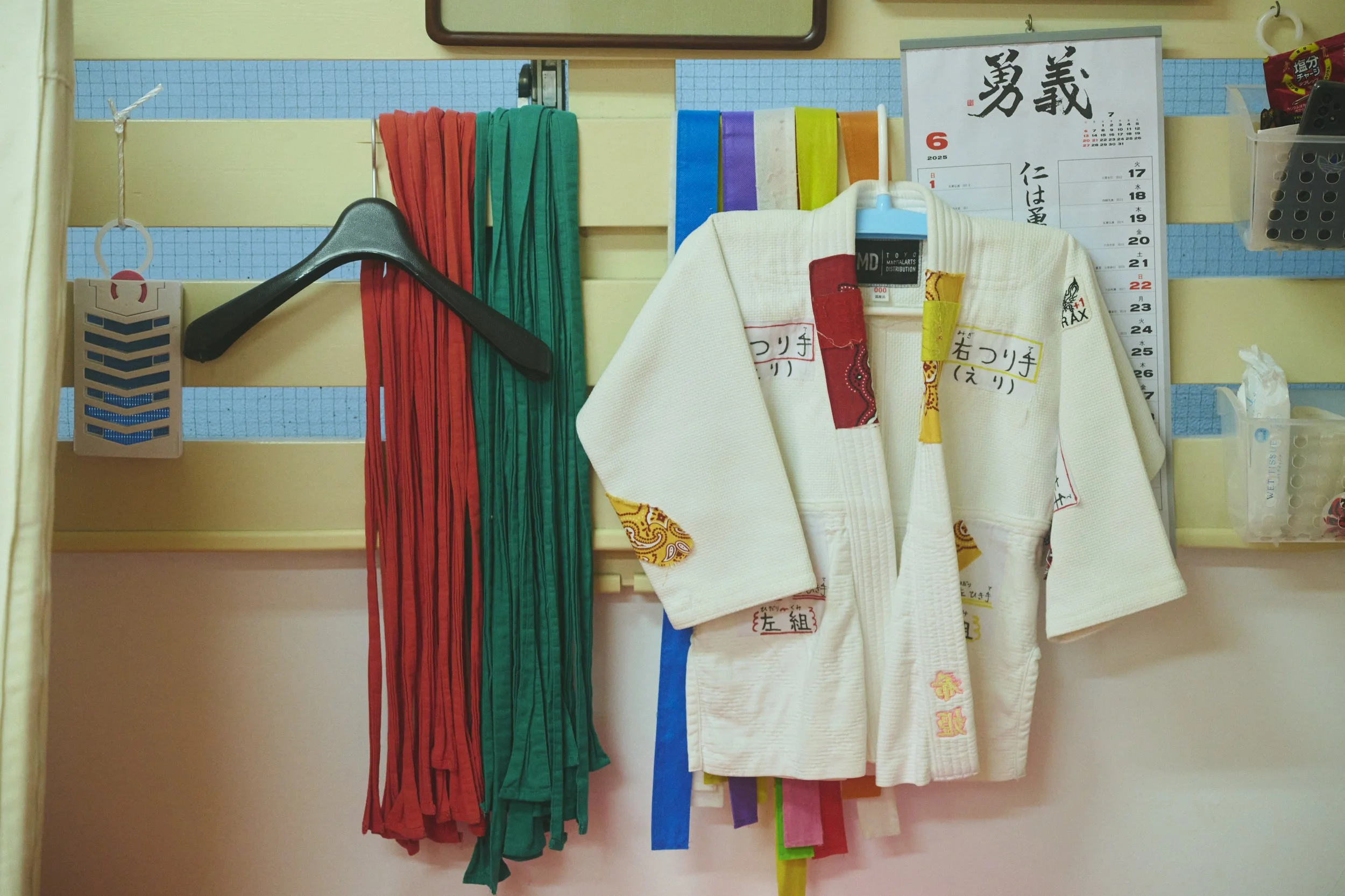
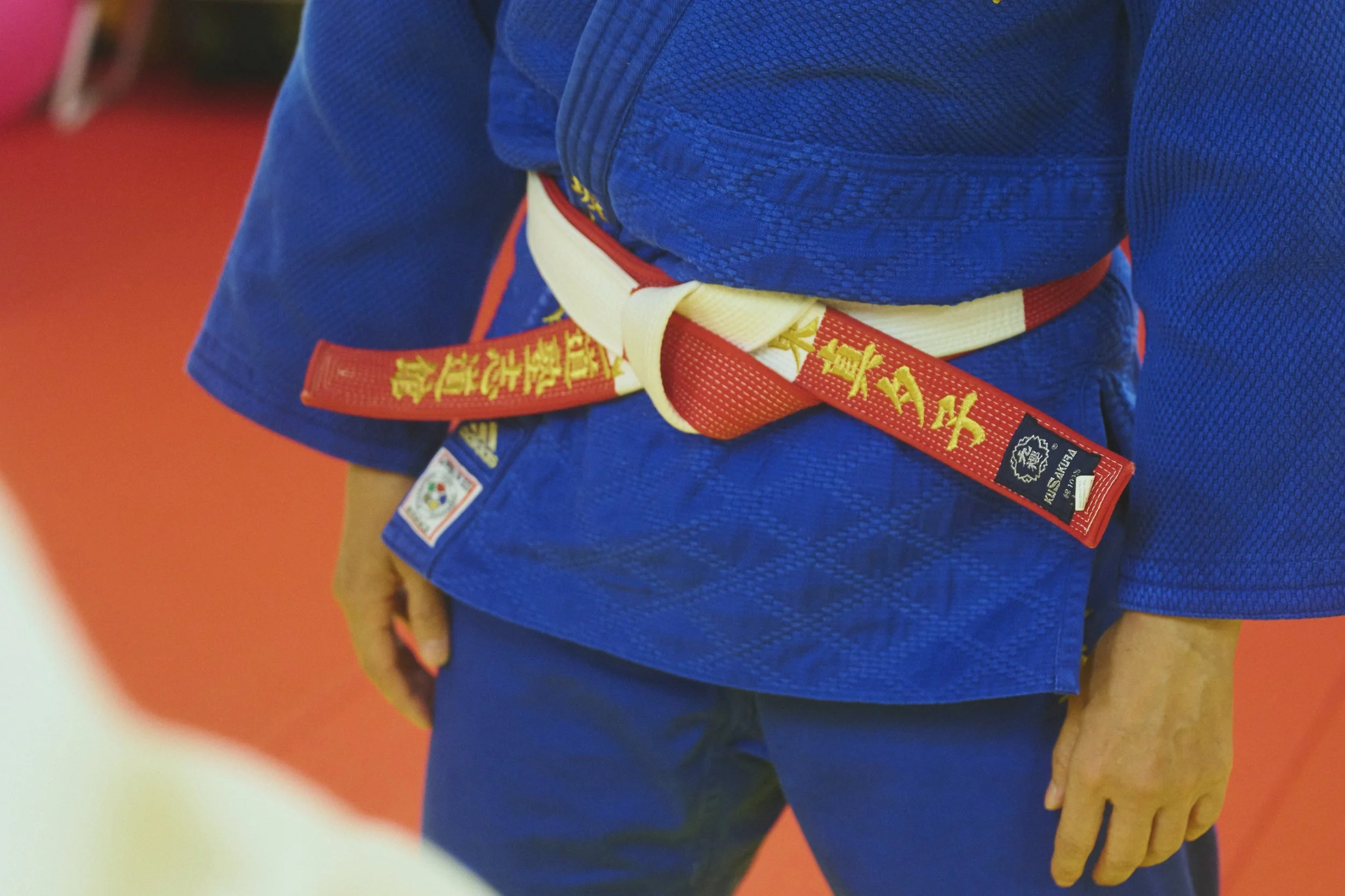
The roots of this phenomenon can be traced to the interwar and immediate postwar periods, when judo was introduced to France through figures such as Mikinosuke Kawaishi. Arriving in Paris in the 1930s, Kawaishi played a decisive role in adapting judo pedagogy to Western audiences, most notably the systematic use of colored belts to mark progression, a visual and motivational tool that facilitates learning and has since been adopted worldwide.
After World War II, judo’s development accelerated rapidly, embedded within educational institutions, sports clubs, and municipal infrastructures, while benefiting from state support for physical education and organized sport. Unlike in some countries where martial arts remain niche practices, in France, judo entered the mainstream, practiced by children and adults alike. The dojo became a familiar social space, associated with competition, discipline, respect, and personal development, values resonating strongly within the French educational ethos.
This institutional strength translated into international success. French judoka emerged as dominant figures on the global stage, embodying both technical excellence and the sport’s philosophical dimensions. Among them, David Douillet, a two-time Olympic champion, symbolizes the consolidation of France as a judo powerhouse in the 1990s. More recently, Teddy Riner has redefined the limits of the sport, with multiple Olympic gold medals and an unprecedented series of world titles. His career illustrates an incredible individual achievement, but also the maturity of a national system capable of producing athletes at the highest level over successive generations.
Yet the French engagement with judo extends beyond competition. The core terminology remains Japanese, the rituals (bowing, hierarchy, etiquette) are preserved, but the meaning of the sport evolves through practice to a distinctly French “école de vie,” a school of life, emphasizing moral education as much as physical training– an interpretation aligning closely with Kano’s original vision, expressed through a distinctly French framework.
Martial Arts as Cultural Language
To practice judo is to internalize a way of relating to others, to space, and to oneself.
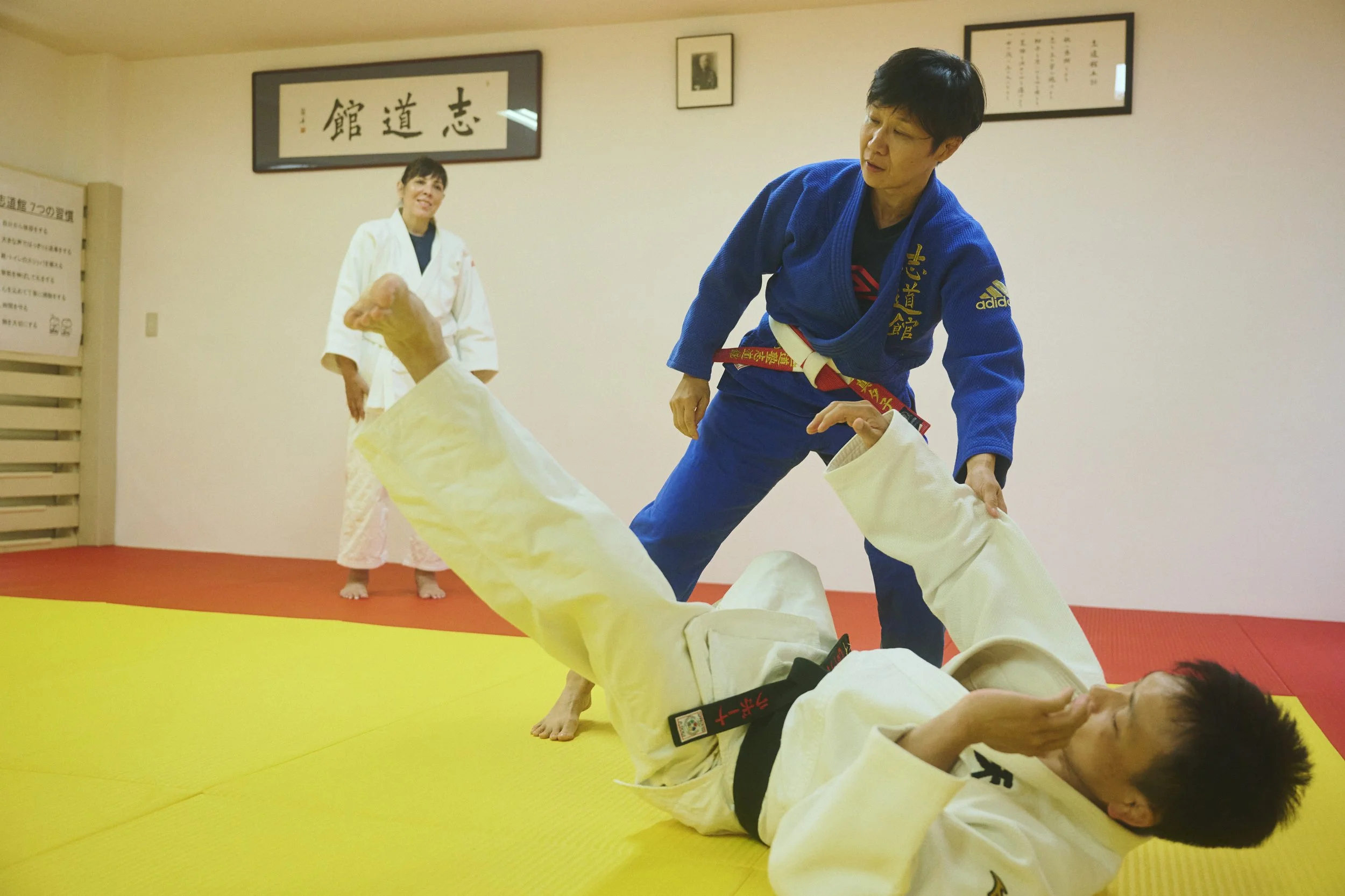
While Jigoro Kano’s principles lie at the heart of this, judo’s concepts also resonate more broadly. In Japan, they imply an economy of movement, an attention to balance, and a relational ethics that privileges harmony over domination. In the dojo, these ideas are embodied through ritualized gestures: the bow (rei), the careful handling of space, and the structured interaction between partners. Yet, whether in Tokyo, Paris, or New York, the dojo also functions as a space where local interpretations intersect with these inherited forms.
Cinema, video games, demonstrations, and international competitions further transform martial arts, including judo, into a recognizable symbol of Japanese identity, while simultaneously reshaping its meanings in different contexts. And, in recent decades, this global diffusion has given rise to a reverse movement. Practitioners increasingly travel to Japan to engage with judo at its source, particularly at the Kodokan Judo Institute.
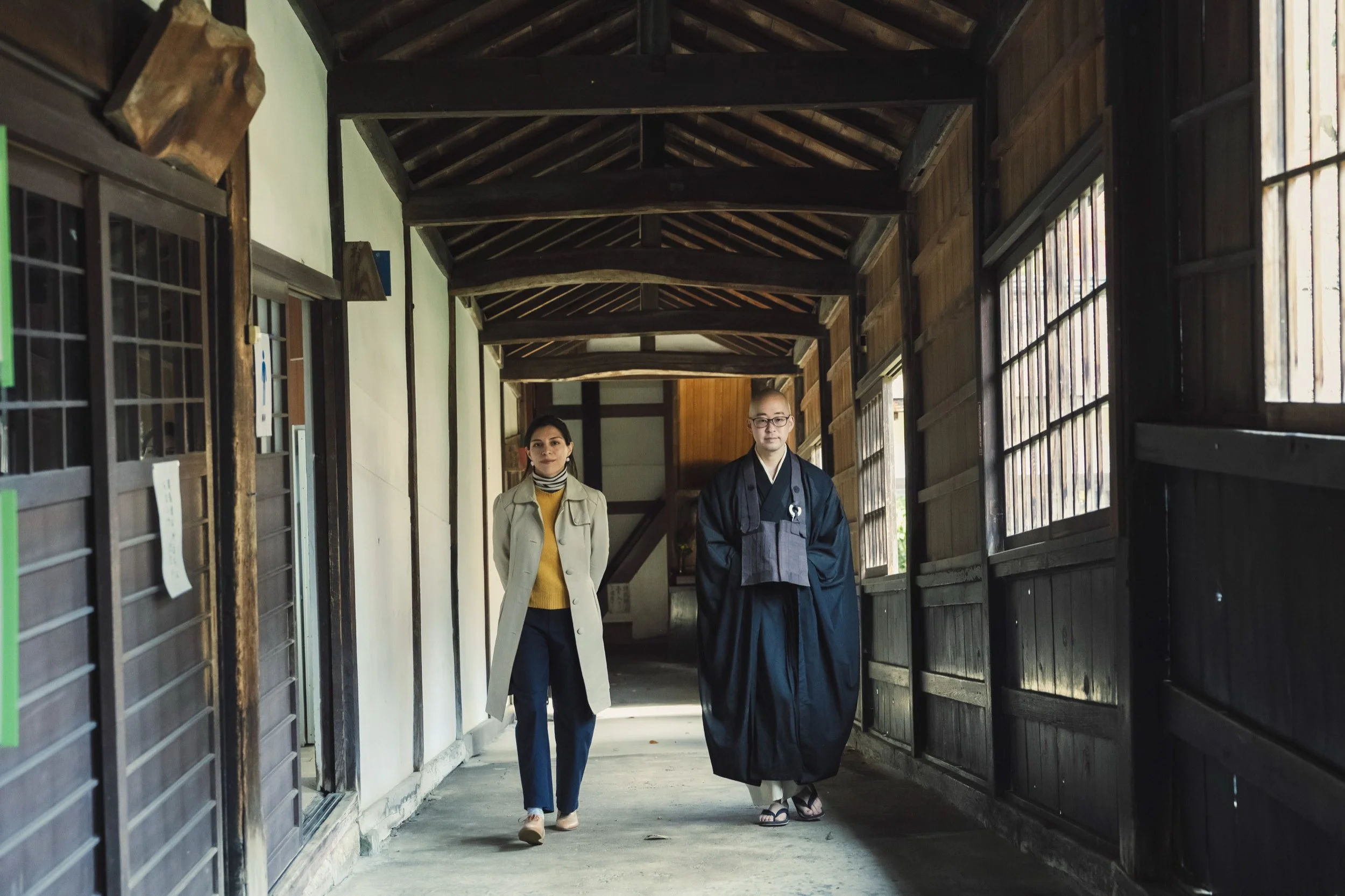
Beyond Tokyo, regional dojos and training environments further situate martial arts within a broader cultural landscape, where daily practice intersects with rich tradition. Ultimately, judo endures as a dynamic system, capable of adaptation without losing its conceptual core, revealing how a localized discipline becomes a shared language, one that continues to evolve while preserving a distinct philosophical structure.
About the Author: Sébastien is a writer and videographer living in Tokyo. Born in 1995 under the sun of Marseille in the South of France, he has been living in Japan since 2022. He has written for several international media outlets, mainly about Japan, art, and cinema. In his free time, he enjoys drinking coffee and taking 35mm photos.

Recommended Reads


Discover Cultural Experiences


Get right next to the action and observe an authentic sumo training session