
Konbini Nation: How Convenience Stores Shape Modern Life in Japan
For the past half century, convenience stores have always – and successfully – adapted to the changing rhythms of Japanese life.
When I first moved to Japan, I lived in a share house in Kita-Matsudo, an anonymous suburb just outside Tokyo. There was a FamilyMart convenience store attached to the building, and the glow of its green, white, and blue sign bled through the frosted window of my bedroom, making it seem like an alien sun was blazing brilliantly in the middle of the night. It was the last thing I saw before I went to bed and the first thing that greeted me each morning. At times it would drive me crazy, but there was a perverse comfort in it too.
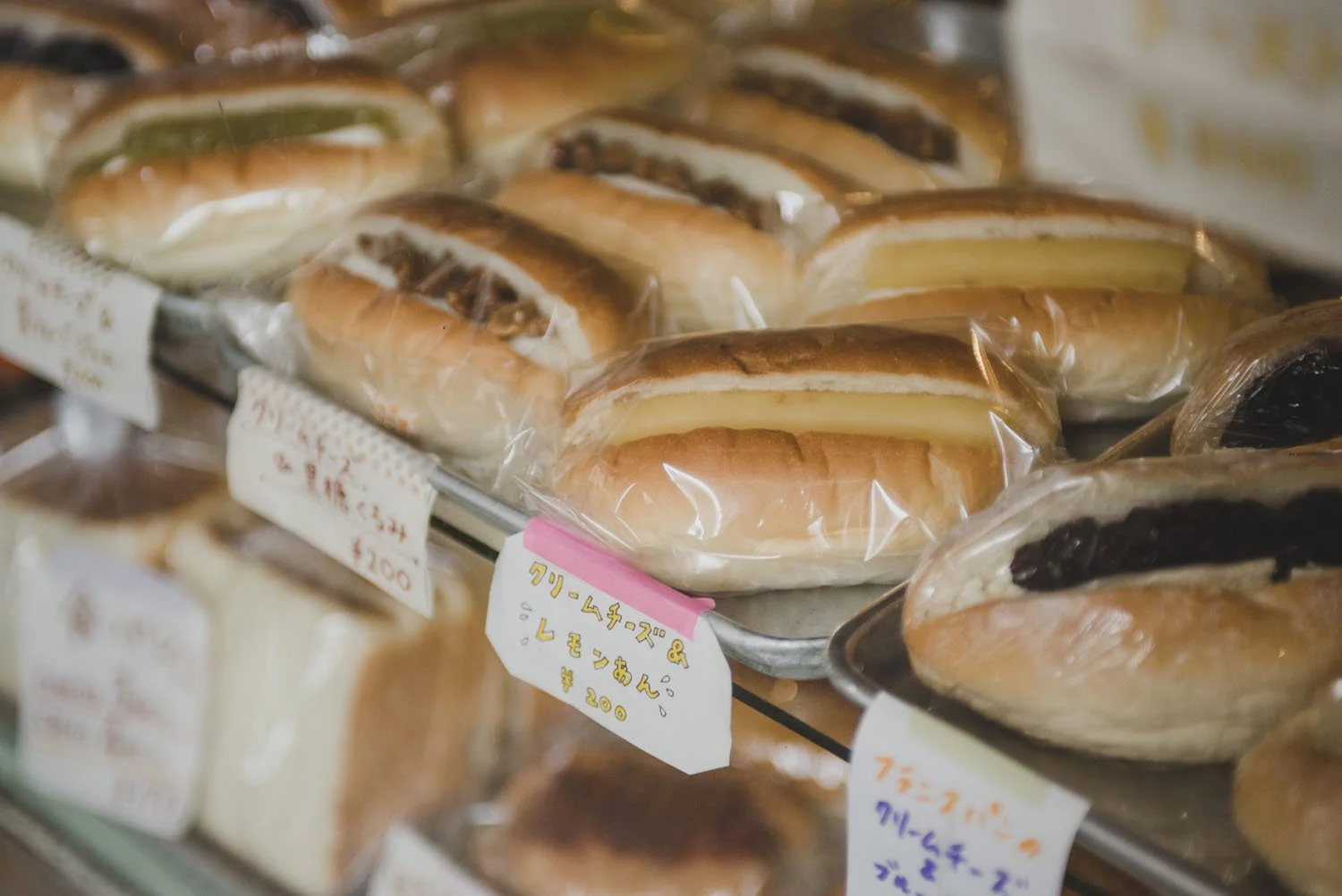
When I got home from my teaching job around 11pm, I’d find myself drawn to the FamilyMart like a parched desert wanderer stumbling towards a mirage. I'd pass the sliding glass doors, buy a couple cans of Sapporo, maybe some yakitori skewers, or a rice ball or sushi set. Sometimes I’d just walk the aisles, listening to the god-awful muzak renditions of 1960s pop songs (The Beatles and The Monkees featured a lot) and browse the colorful displays of unorthodox items: fruit sandwiches, fermented soybeans, a shirt and tie, erotic manga, premade chicken burgers (unrefrigerated), and bottled tea of every brew and description. I'd see the same faces there, often buying the same things, at the same time and on the same days of the week. Visiting FamilyMart was part of the people's daily routine, something one did as a matter of practice, like showering or commuting or brewing coffee while reading the morning news.
The convenience store is no glorious institution in much of the world. It might stock your favorite newspapers and kitchen staples like bread, eggs, and milk, but the interiors are often stale, slightly depressing, and filled with low-quality, overpriced food items. In Japan, however, it is a thing of beauty, a work of commercial arcana that manages to be cut-and-paste yet highly individualized. We all have our favorite brand – for me it’s FamilyMart, doubtless influenced by the experience above – and even our favorite branch – the Nishi-Eifuku FamilyMart which sells my favorite cold coffee. That’s because the convenience store, or konbini, is not just a place for buying groceries; it is, and for 50 years has been, central to life in modern Japan.
The Birth and Rise of the Konbini
That the konbini had an inauguration date is a strange idea to get your head around, because it’s hard to imagine a time when Japanese cities were without them. According to the Yomiuri Shimbun, Japan’s first convenience store opened in Osaka Prefecture in 1969. But the de facto birth of the konbini came five years later, when Japanese retailer Ito-Yokado and the Southland Corporation of America opened Tokyo’s first 7-Eleven in a joint venture that would redefine Japanese retail habits.
It was the brainchild of the late Toshifumi Suzuki, who joined Ito-Yokado in 1963. He wanted to pinch the convenience store model that was then taking the US by storm and introduce it to a rapidly urbanizing Japan. His idea wasn’t simply to replicate American 7-Elevens, but to remold the brand and its offerings to fit Japanese consumers’ needs. Bento boxes and onigiri (rice balls) would become marquee food offerings, joining basic necessities like detergents and cleaning products on the shelves.
Japan’s first 7-Eleven franchisee, Kenji Yamamoto, wasn’t sure if people would embrace the foreign concept, which was initially positioned as a late-night substitute for buying groceries at supermarkets – a genuine niche thanks to the rise of working mothers and dual-income families. Yamamoto’s first sale was a pair of sunglasses, but when reflecting on his experiences to the Asahi Shimbun, he told the paper it was the customers that struck him the most: how they were younger than typical supermarket shoppers and preferred to buy items in smaller sizes, a habit still associated with Japanese shoppers today.
With Yamamoto’s 7-Eleven proving successful, Suzuki became more bullish about the prospects of his new retail model. He introduced a point-of-sales system for tracking consumer habits and a system for customers to pay their bills. He had proprietary ATMs installed in his stores, diversified beyond groceries, meaning you could buy hot food, event tickets, ski lift passes, and international SIM cards at 7-Eleven counters, and ran it all on a 24/7 schedule so customers could avail of these services around the clock.
It’s fair to say the public were taken by the konbini concept. The number of convenience stores boomed in lockstep with Japan’s surging postwar economy. There were 4,000 7-Eleven stores in Japan by 1990, while other chains like FamilyMart and Lawson had joined the fray with franchise models of their own. Today there are more than 55,000 convenience stores in Japan. The “Big Three” – 7-Eleven, FamilyMart and Lawson – own around 90% of the market share, but occasionally you’ll find a Ministop or a Daily Yamazaki in the suburbs and NewDays kiosks in JR train stations. Travelers in Hokkaido will become familiar with retro-looking Seicomarts, while the keen-eyed observer may spot Poplar stores when walking the streets of Hiroshima or Osaka.
Convenience Like Nowhere Else
In any major city in Japan you’re never far from a konbini. When I lived in Ebisu, a lively entertainment and residential district in central Tokyo, there was a Lawson, a Ministop, a 7-Eleven, and a FamilyMart all within a 30-second walk of my apartment building. Aside from the sheer choice this offered – Do I want a FamilyMart chicken steak or 7-Eleven’s fried “Nanachiki”? Which shop has the best beer selection? Which ATMs are most receptive to foreign bank cards? – the shops also lived up to their stated aim: to be convenient.
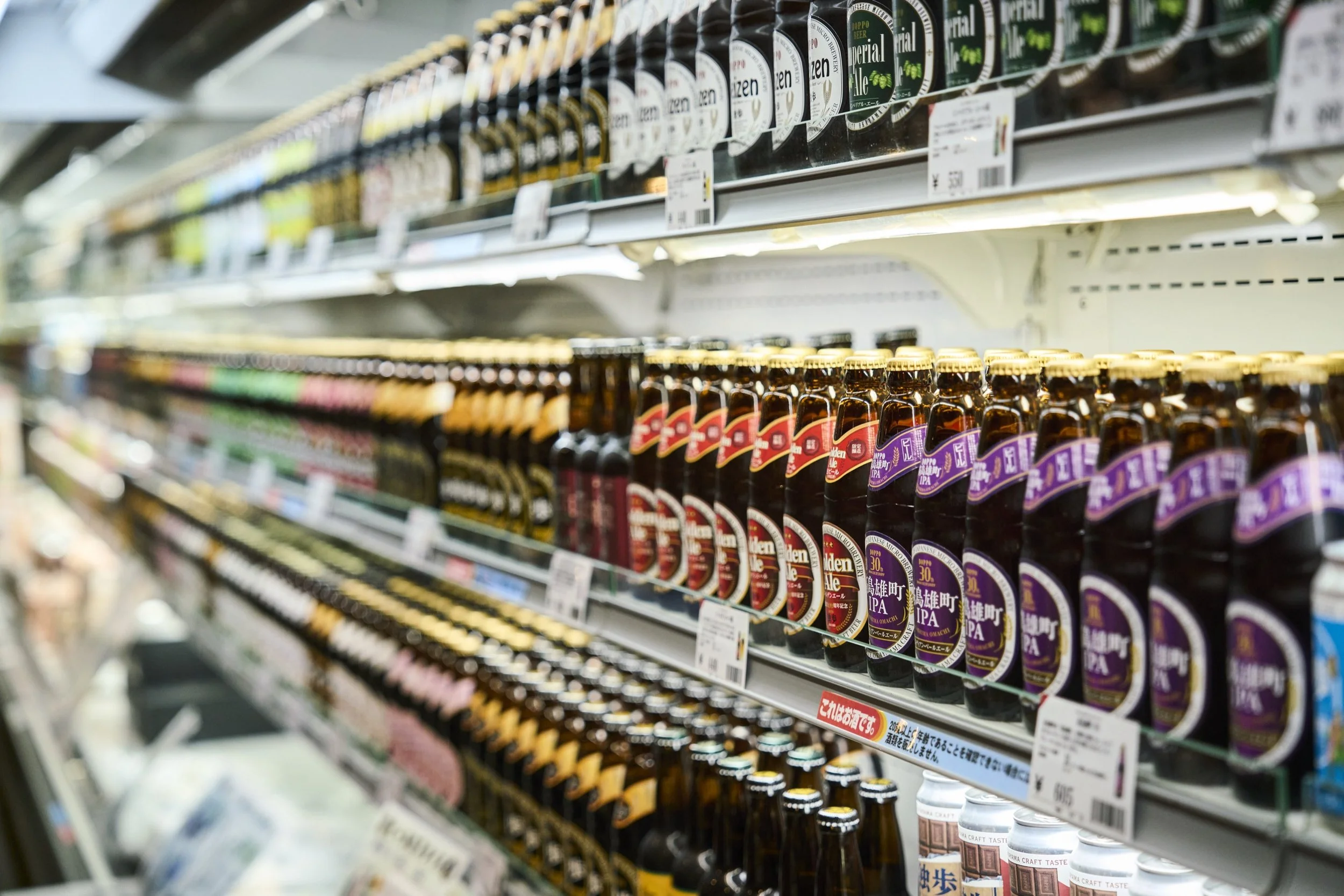
On any given day, I could use them to replenish my stock of rice, bread, milk, beer, simple fruits, tea and coffee, toothpicks, chopsticks, toiletries, stationery, handkerchiefs, tote bags, even charging cables and incense sticks. If I spilled something on my shirt I could just buy a new one, and if the heavens opened an umbrella was only 500 yen away. When I needed to print out documents I headed over to the copy machine, though perhaps I’d stop at the counter first to pay my utility bills. I could use the bathroom or Wi-Fi free of charge and pick up a cheap lunch with minimal fuss: tasty tuna-mayo rice balls, pre-canned ice coffee, soba noodle sets (complete with spring onions, wasabi and tsuyu dipping broth), and fluffy egg salad sandwiches that Anthony Bourdain famously described as “pillows of love.” And remember, this stuff is available at all hours. There’s a unique pleasure in collecting your post from a courteous staff member at 4am on a Saturday, if that’s when the feeling strikes.
Such convenience is literally built into the design. To be classified as a convenience store, it must sell food and drink, open for a minimum of 14 hours per day, and the floor space must be between 30 and 250 meters squared (about the size of a tennis court at the larger end). Despite such size restrictions, the average store stocks around 3,000 items, making use of every inch of available space. The number of convenience stores at the public's disposal, allied to the variety on the shelves and in the available services, is why the konbini is considered so fundamental to the country’s social infrastructure.
The Cult of the Konbini Online
In recent years the konbini has witnessed a meteoric rise in the world of streaming and social media. What was once a cult-like following in internet circles has now become a viral subgenre. English-language YouTube is positively riddled with vlogs and reels about Japan’s “weird” convenience store items, top breakfast foods at 7-Elevens, or how you can have three full meals a day eating only at FamilyMart or Lawson. Some influencers have reviewed konbini foodstuffs and compared them against competing chains, others have invited “convenience store experts” to guide them on their snack-eating journeys.
Despite many of these videos being digital facsimiles of each other, millions of views are not uncommon. The hype isn’t restricted to the digital world, either. There are now thousands of Japanese 7-Elevens in Thailand and South Korea, 8,000 FamilyMarts across Asia, and 10,000 Lawsons scattered throughout China. In a strange twist of fate that surely made Suzuki sit up in his grave, it was reported that even America, the birthplace of the convenience store, is (re)importing the konbini model.
Some of this is driven by Japan being a hot cultural property right now. But it’s also driven by quality, a word few inbound travelers would associate with convenience stores in their home countries. Konbini are dependable and familiar, somehow feeling part of the community despite pushing mom n’ pop shops to the brink of obsolescence. They embody the Japanese spirit of omotenashi, where customers' needs are predicted before they are spoken and service is delivered without complaint or pretense. And although the number of new stores in Japan has plateaued in recent times, konbini culture remains in rude health. Because for the past half century convenience stores have always – and successfully – adapted to the changing rhythms of Japanese life.
About the Author: David is a Northern Irish freelance journalist, writer and author based in the UK and Tokyo. Fusing reporting and social commentary with extensive experience traveling throughout the country, he has published stories on travel, arts and culture, business and current affairs, and sports in Japan. His work has appeared in a range of national and international publications online and in print. He's also the author of two travel books, Intrepid Japan and the most recent edition of Frommer's Japan. You can find links to his work at www.davidmcelhinney.com.

Recommended Reads

Discover Cultural Experiences


Get right next to the action and observe an authentic sumo training session