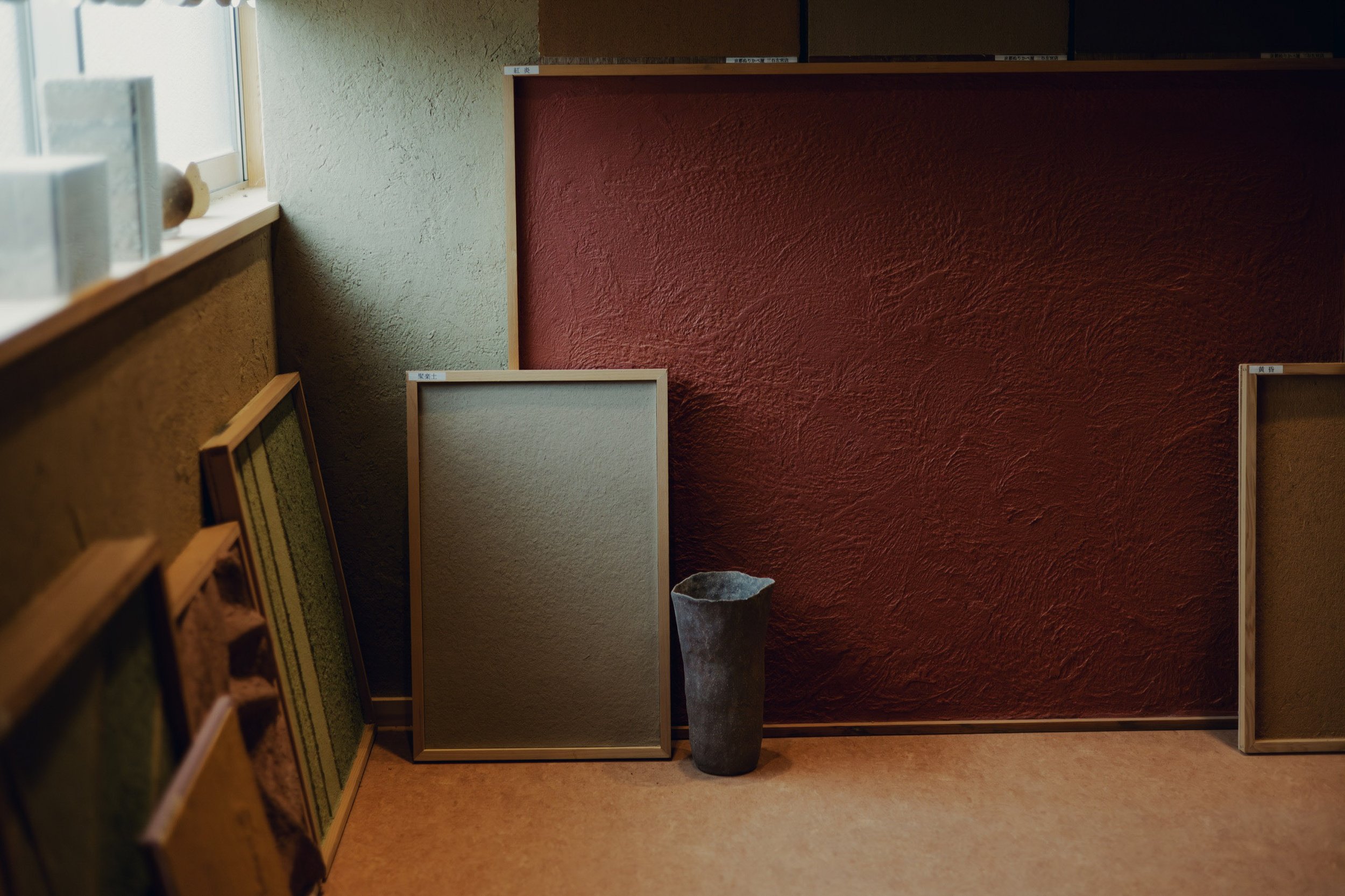
3 or 6 hour private experience
Location: Nagaokakyo City, Kyoto Prefecture
Offered in Japanese, with a friendly Deeper Japan guide interpreting in your language
A minimum of 2 guests is required to book. Solo participants are welcome but will be charged the 2-person rate
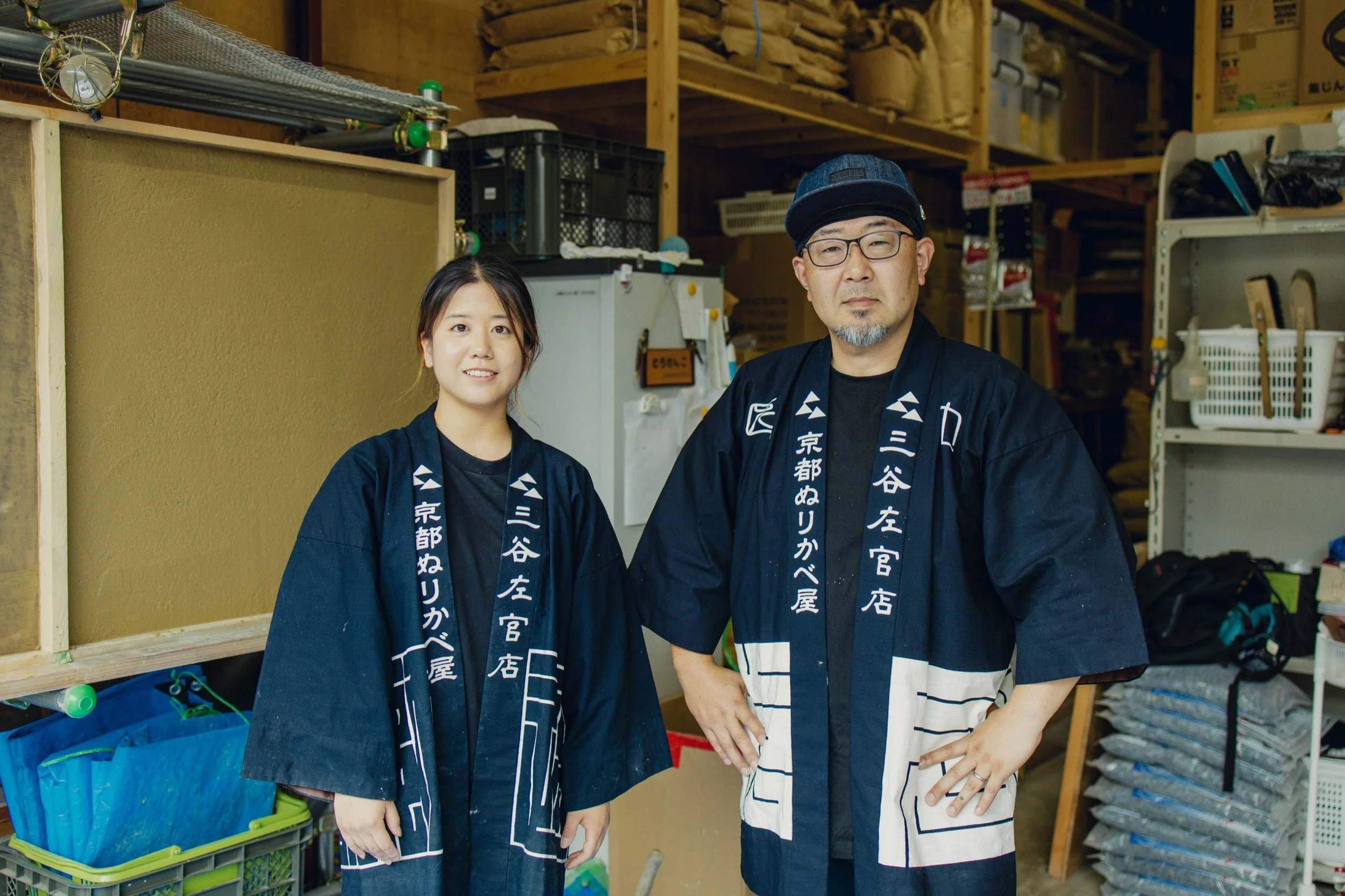
Meet the Master
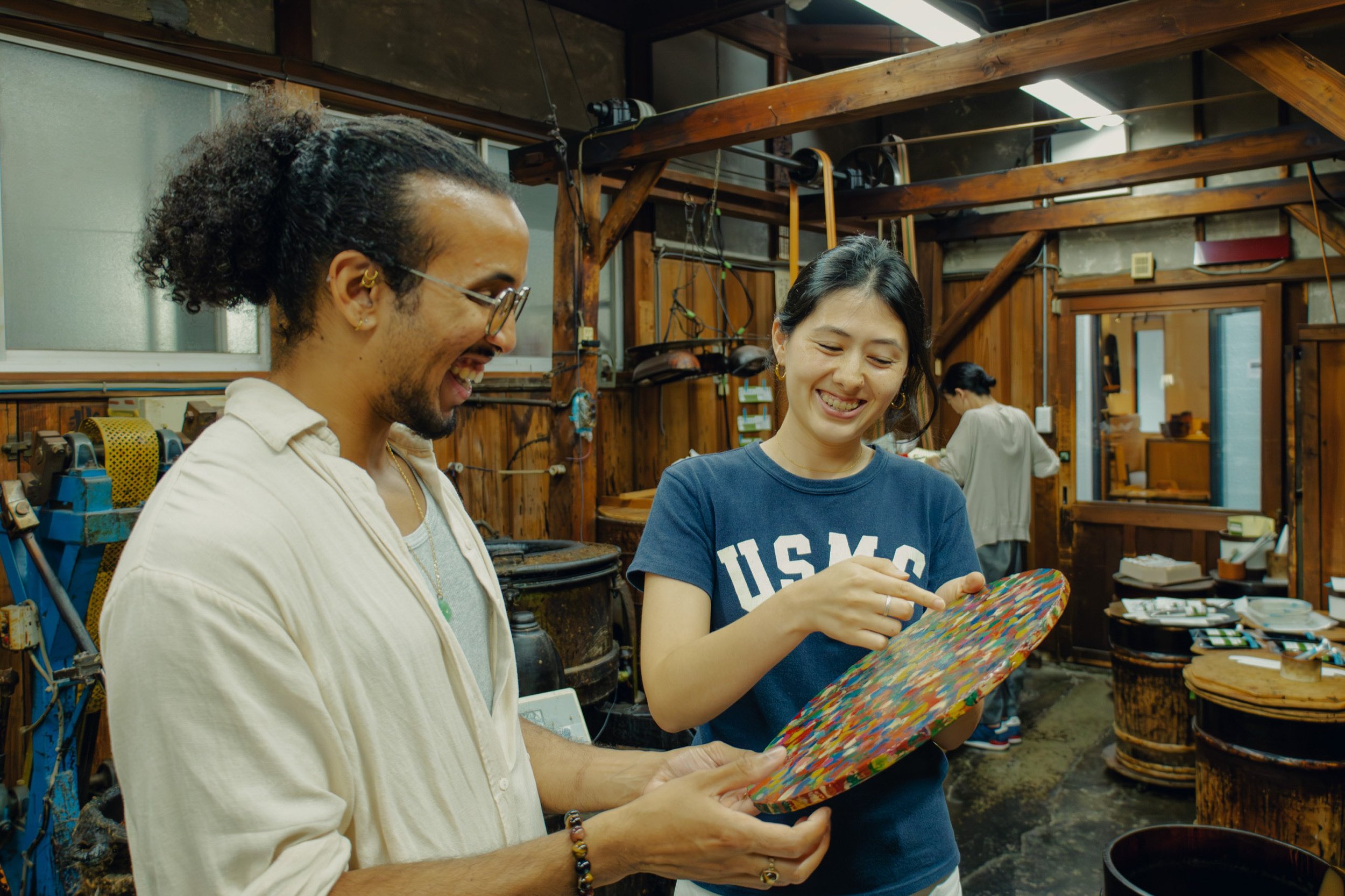
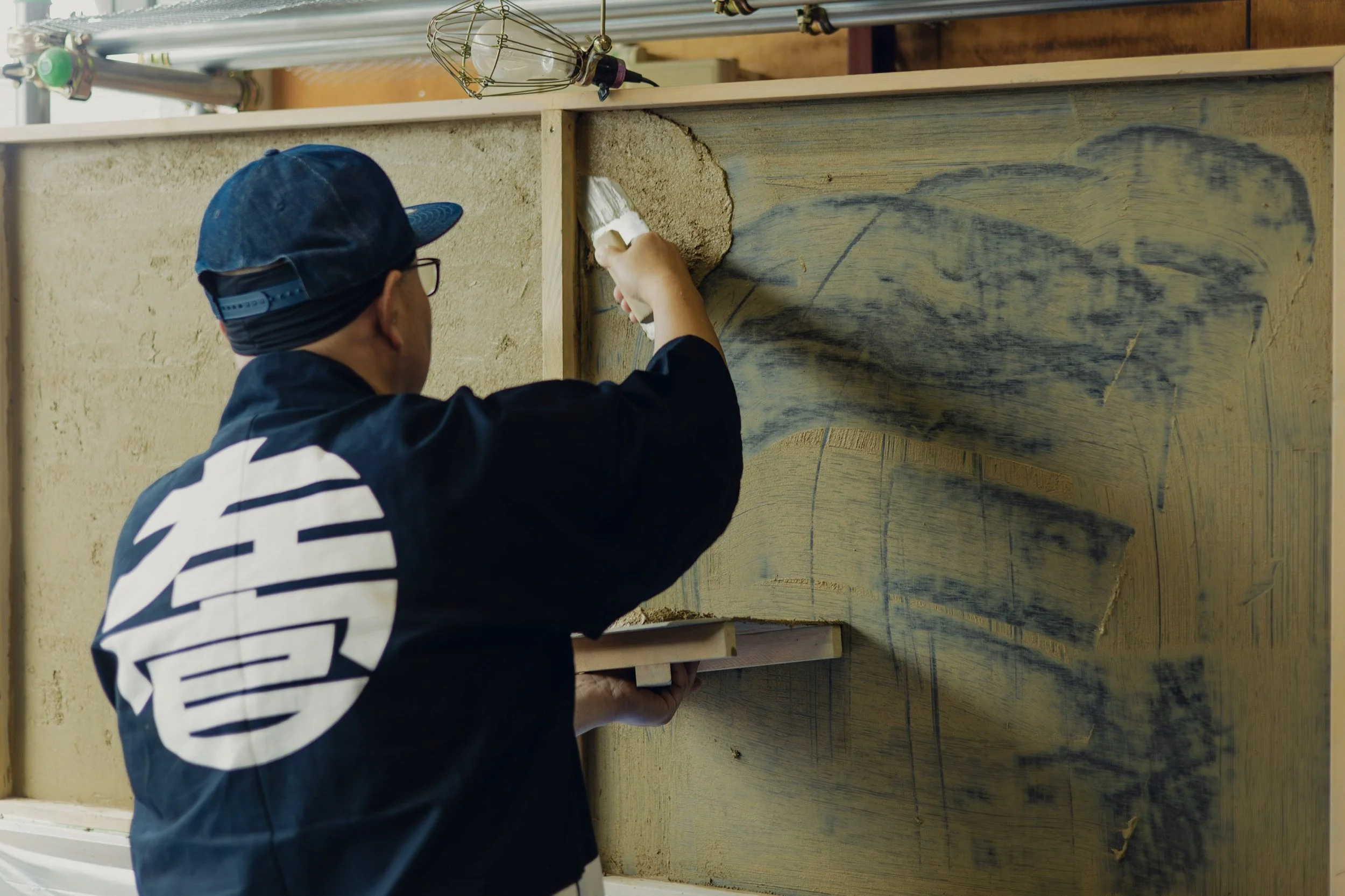
After observing the work of a traditional sakan artisan building up a house across the street, as a child, Ryo immediately knew he wanted to do the same work when he grew older. After training for 20 years, he went independent and opened his own sakan business, where he seeks to broaden the appreciation for traditional sakan plastering in the current world of fast-paced house building.
What you’ll do
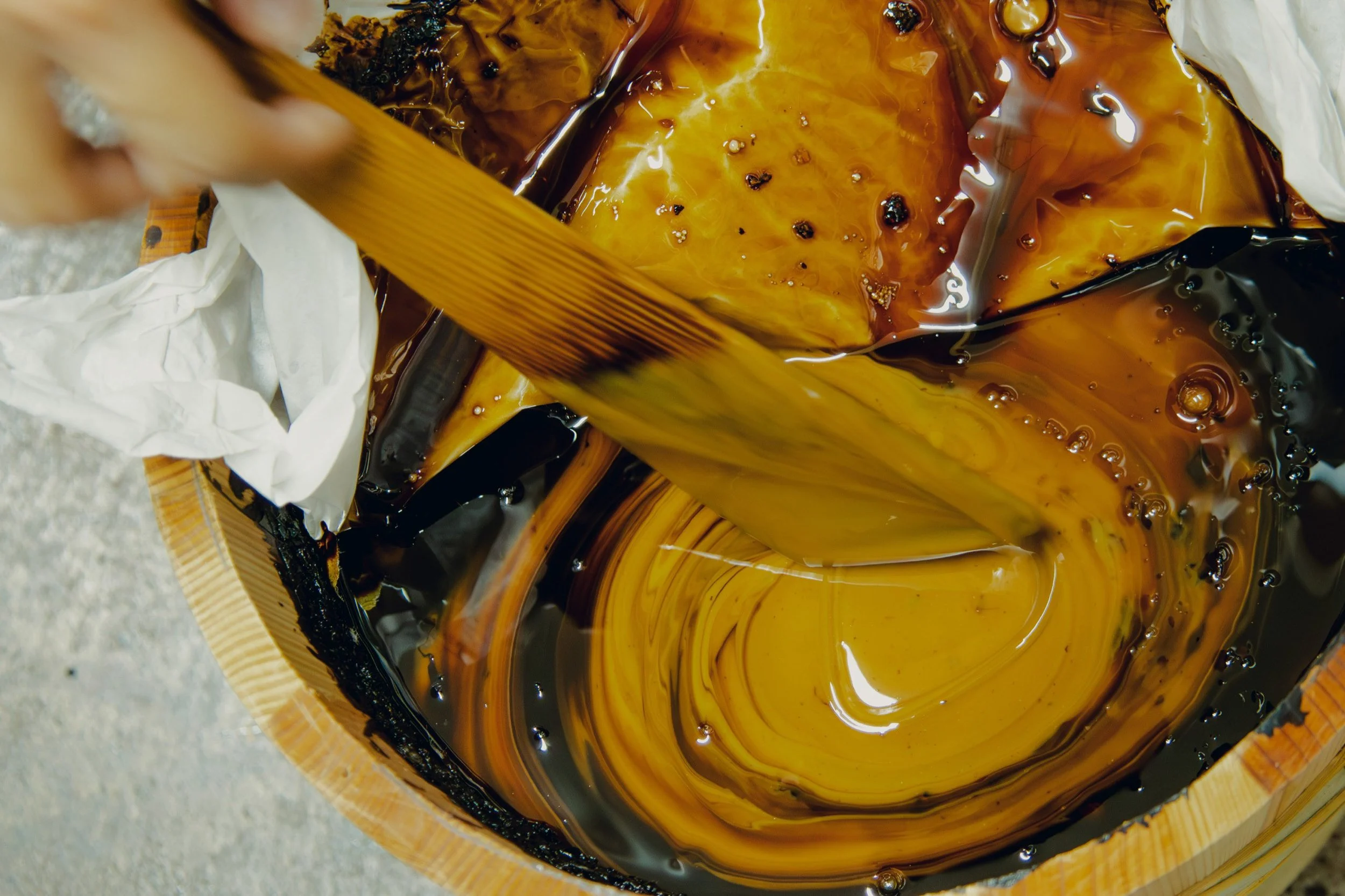
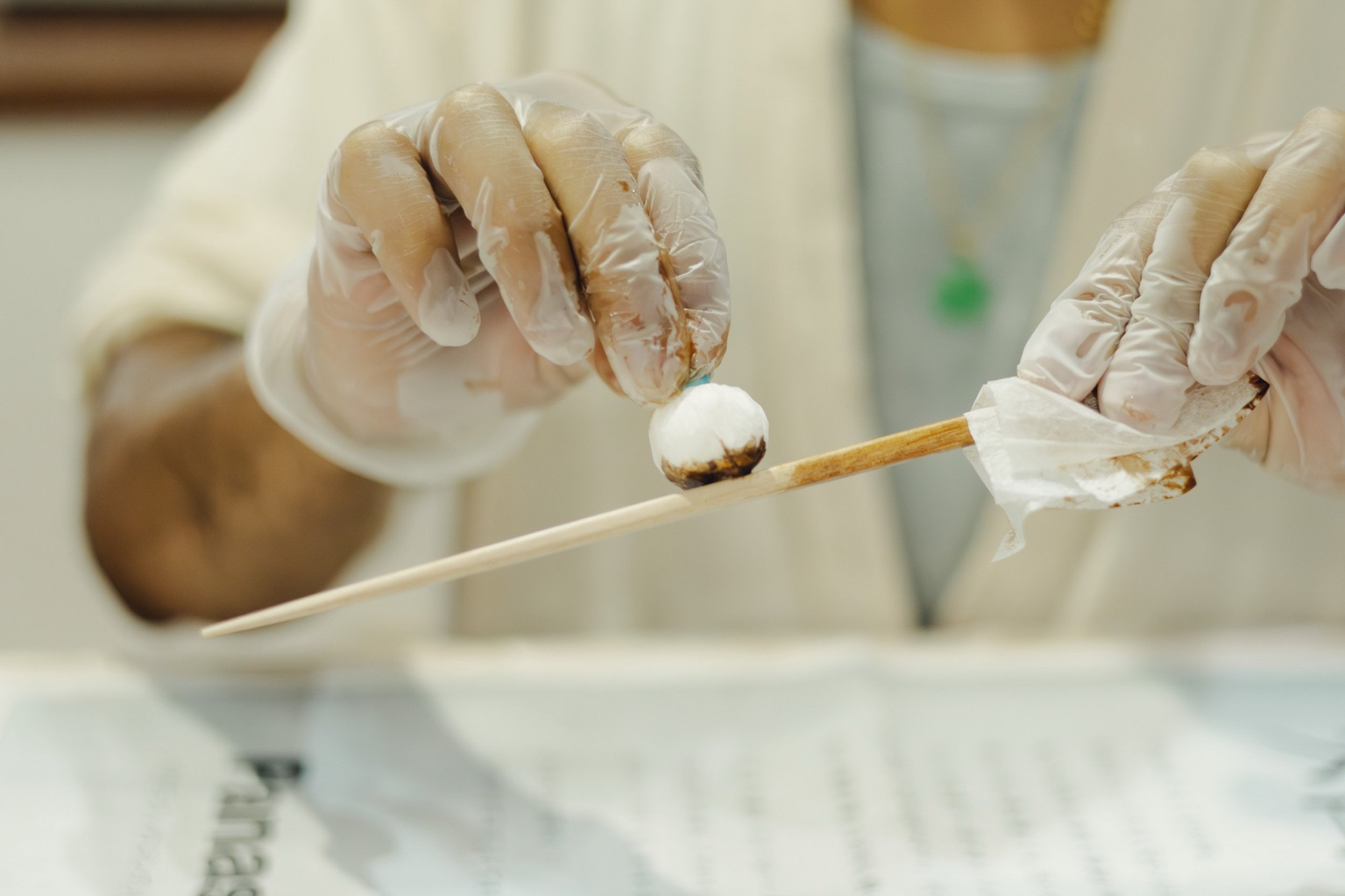
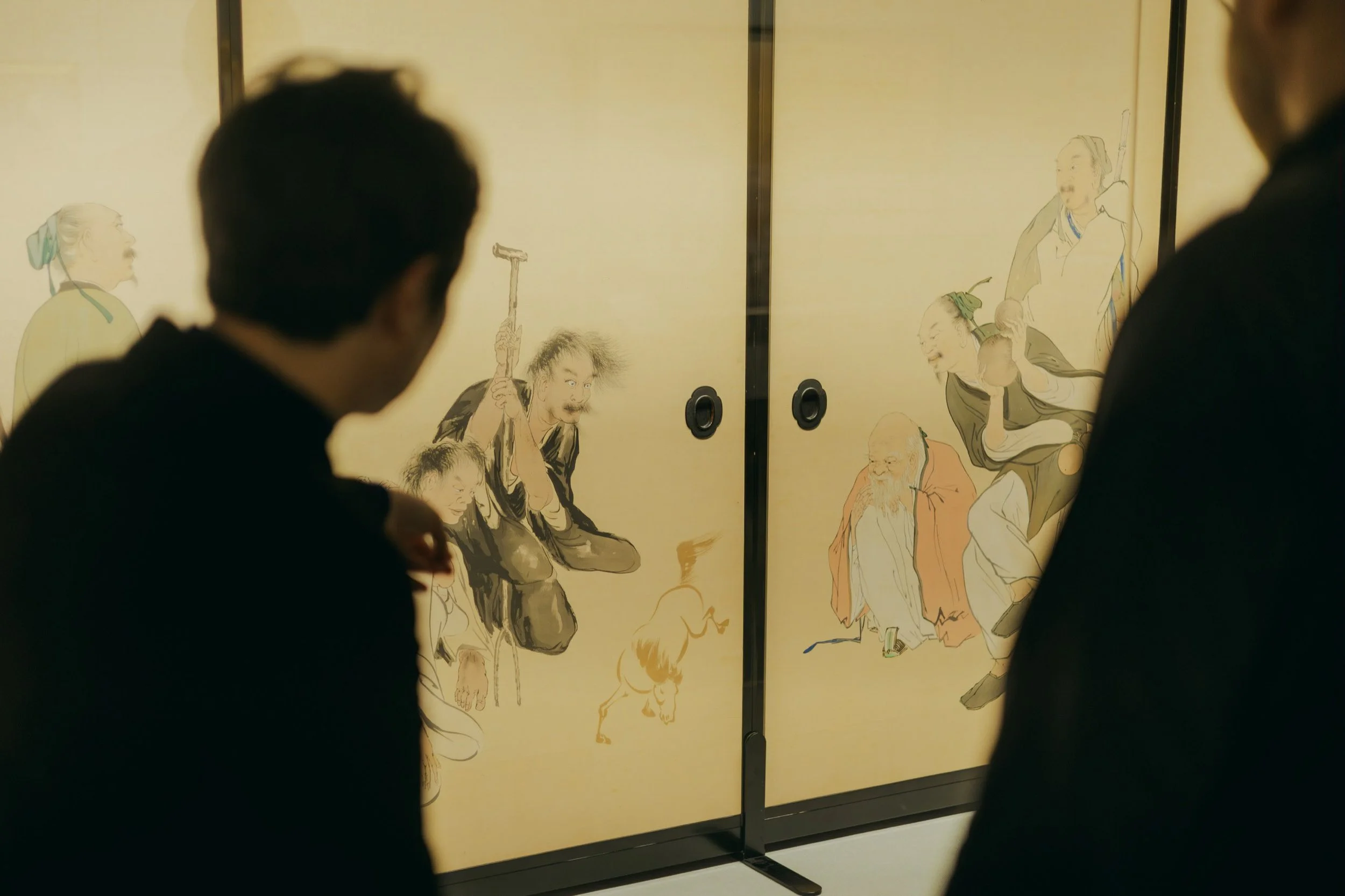
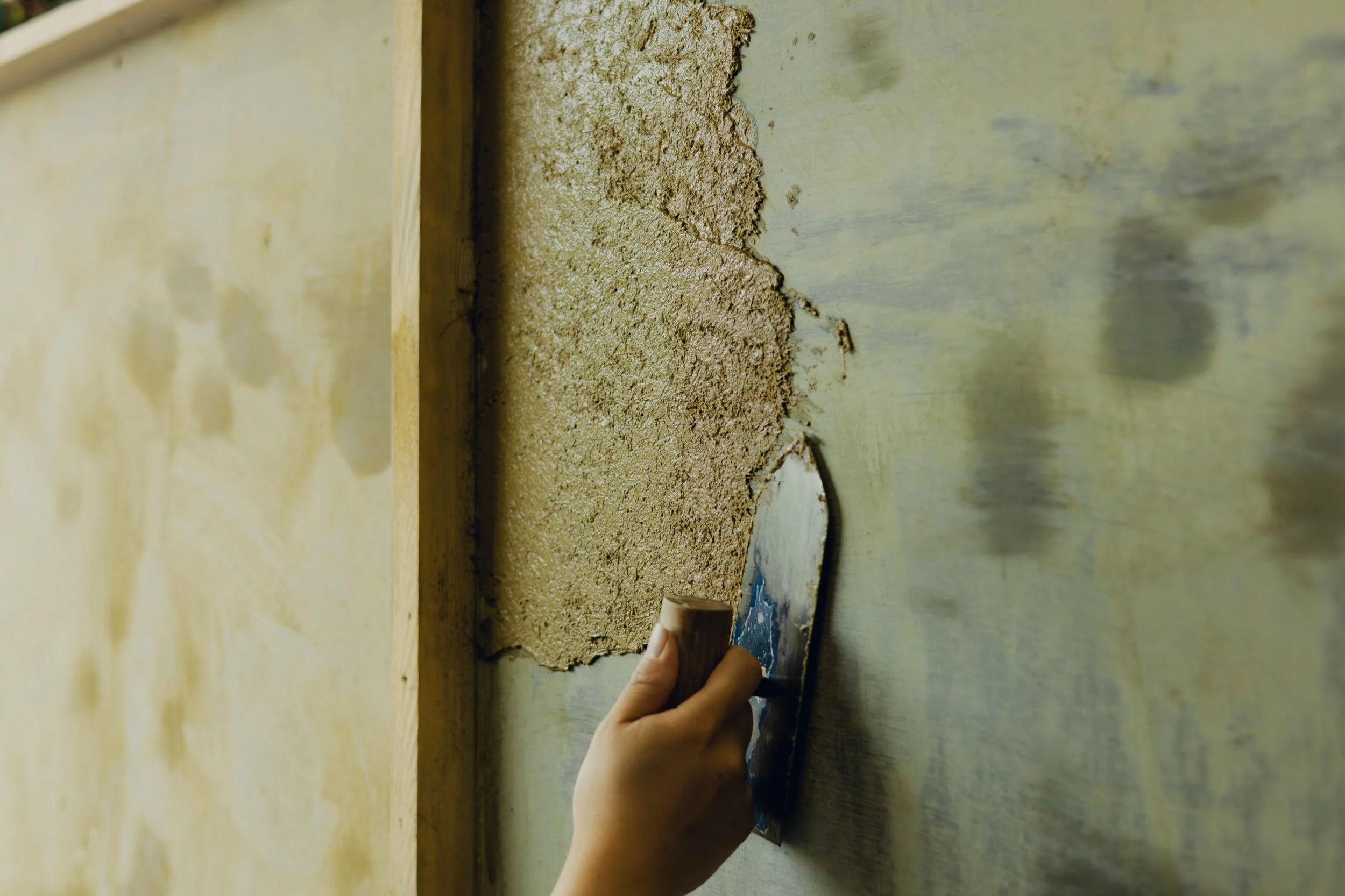
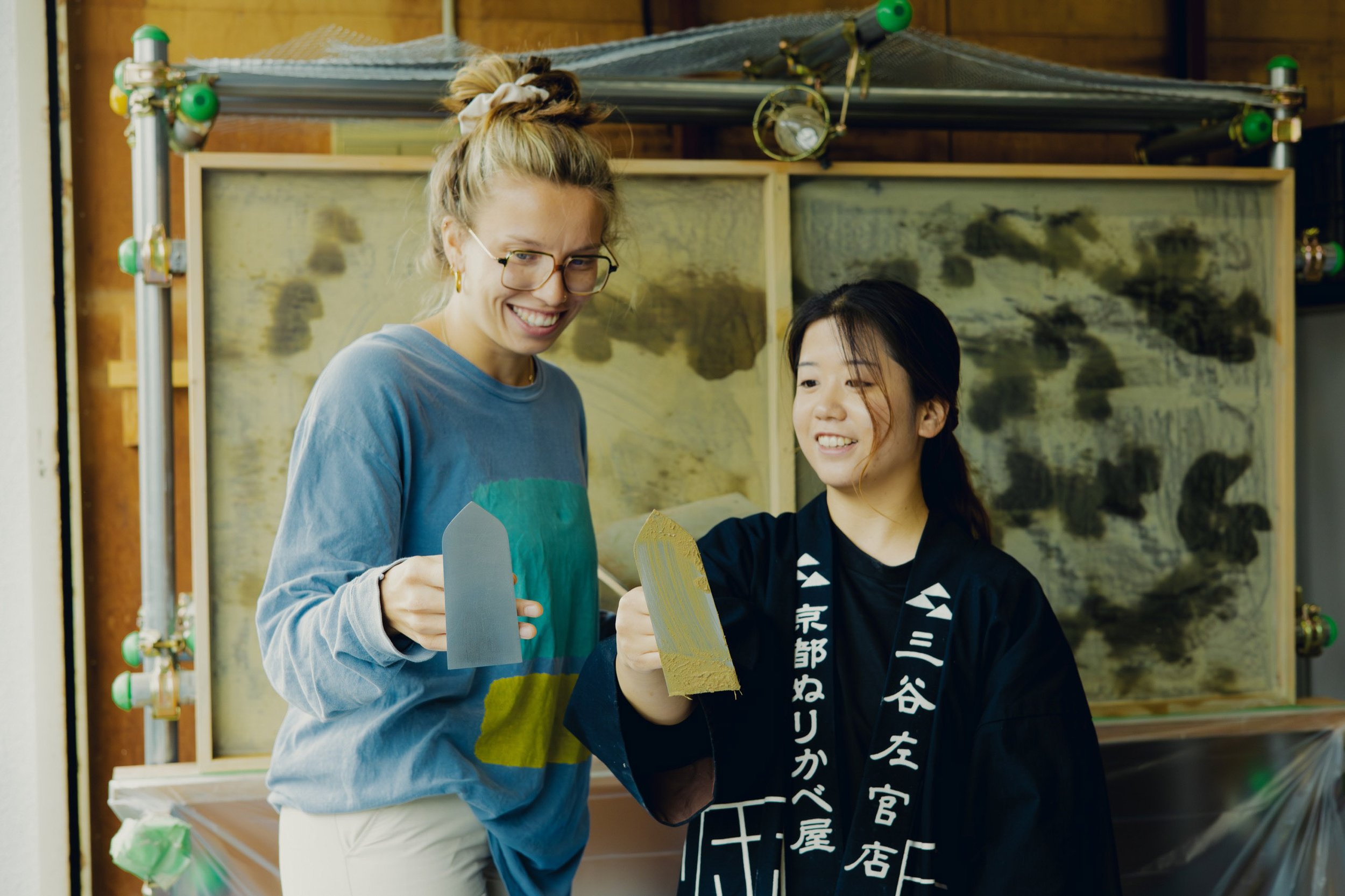
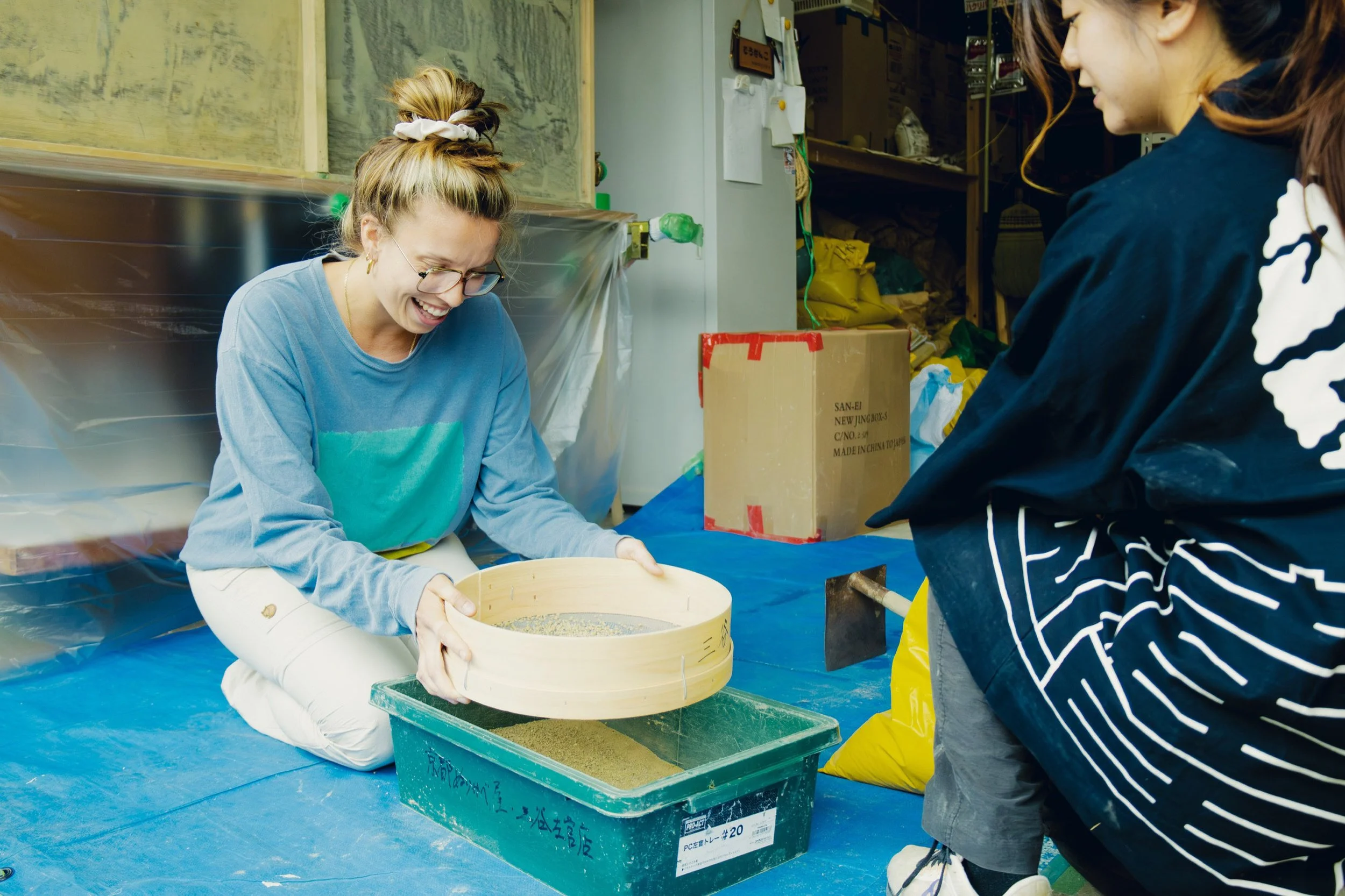
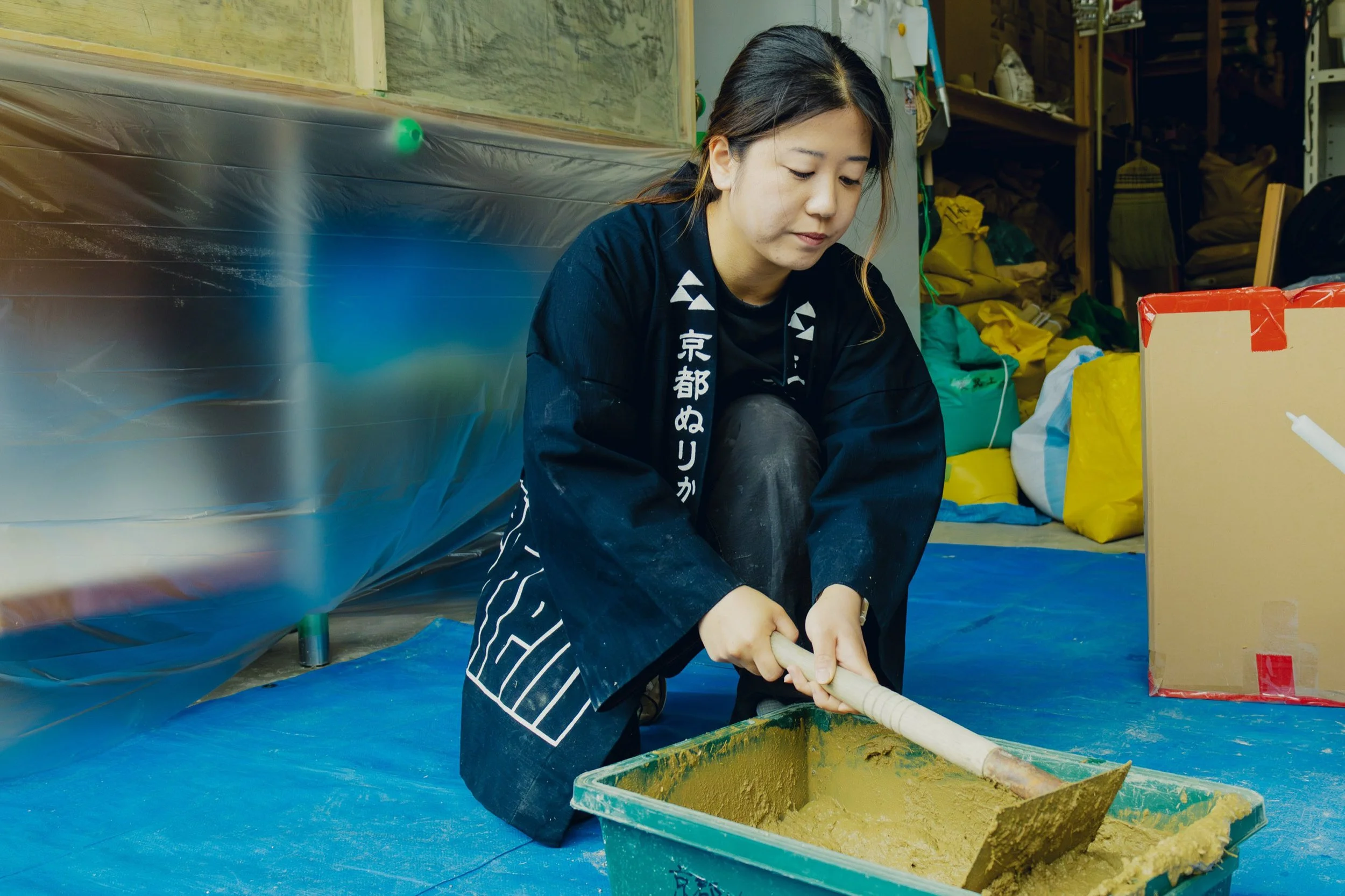
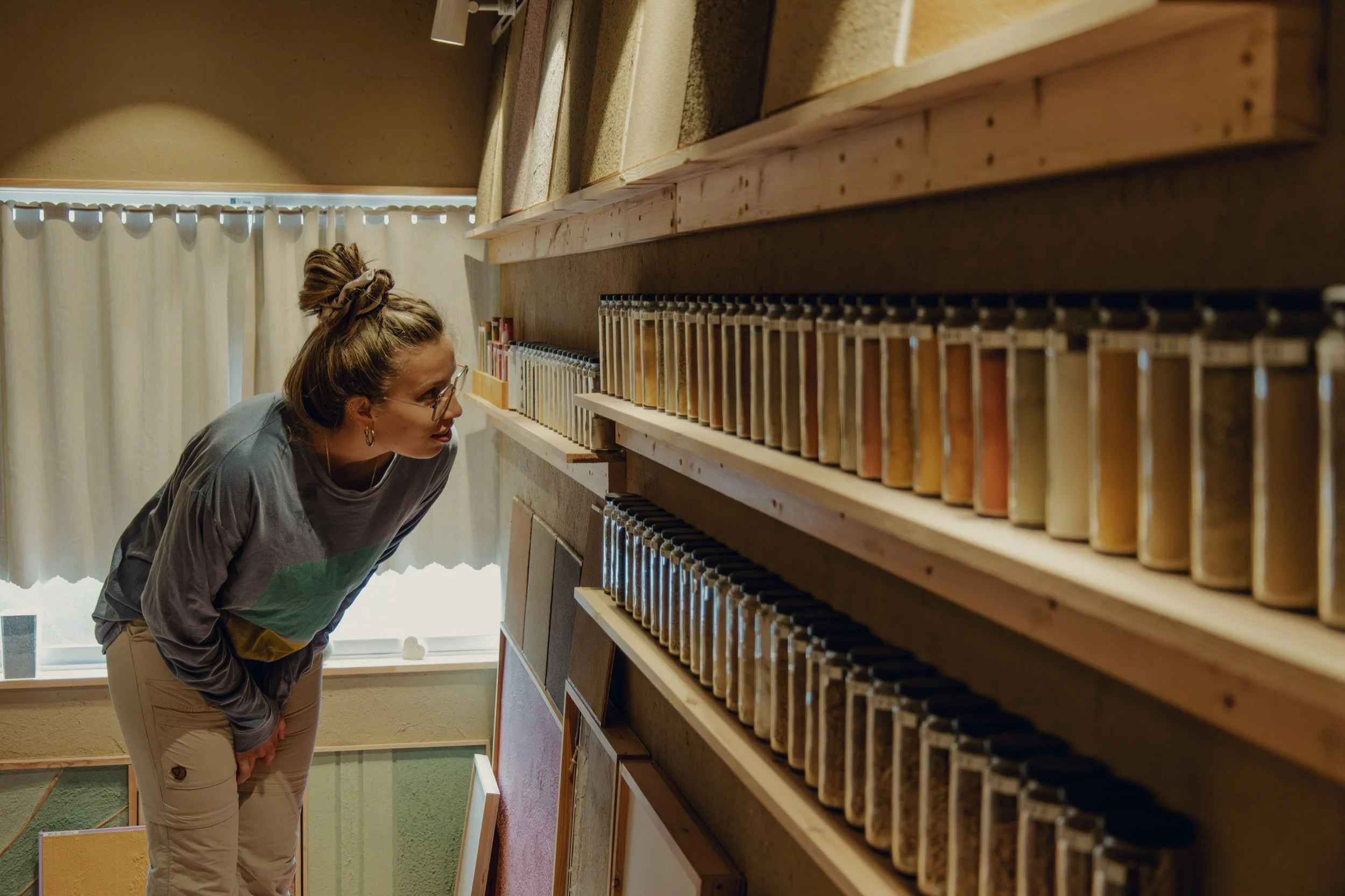
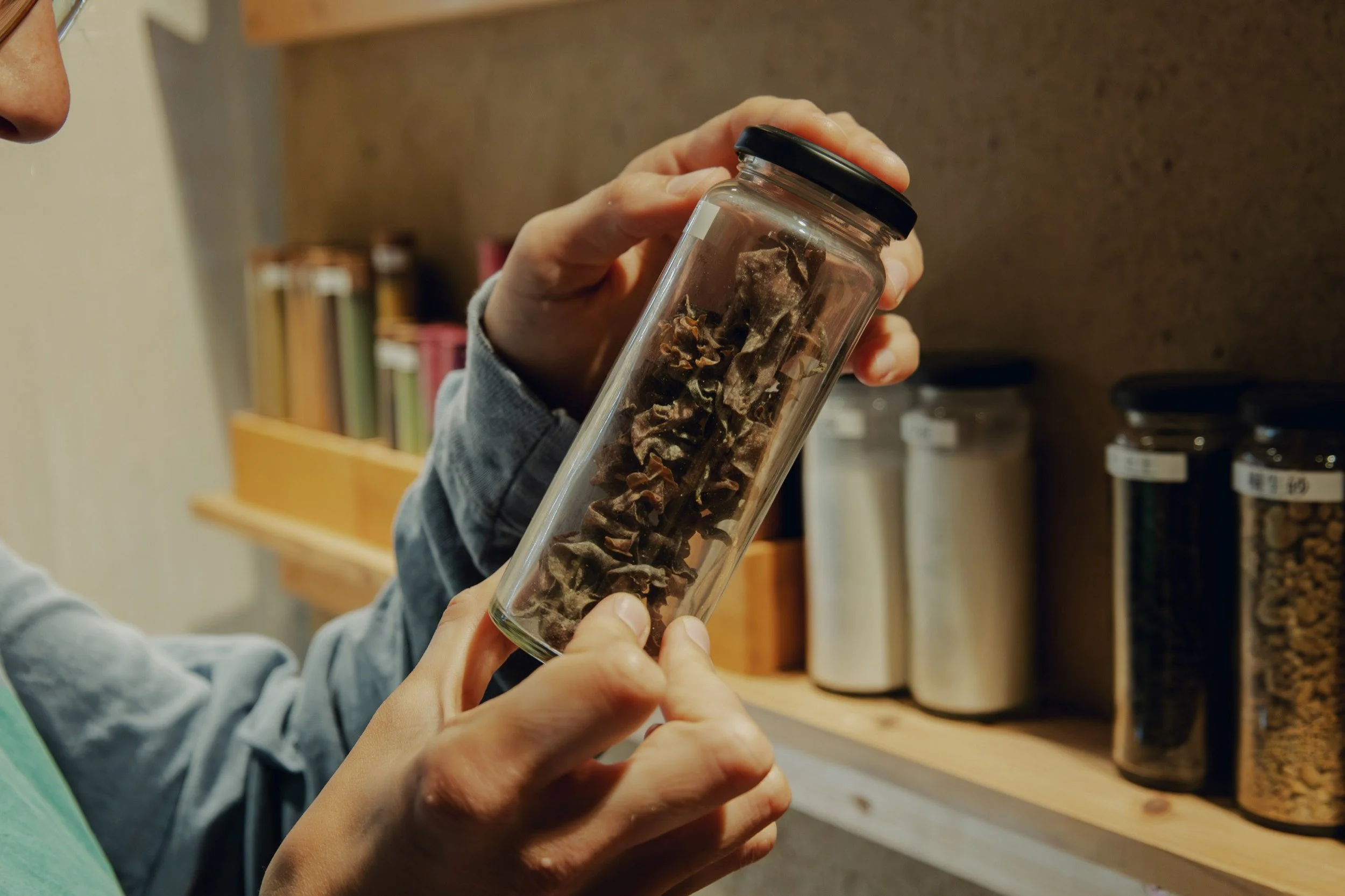
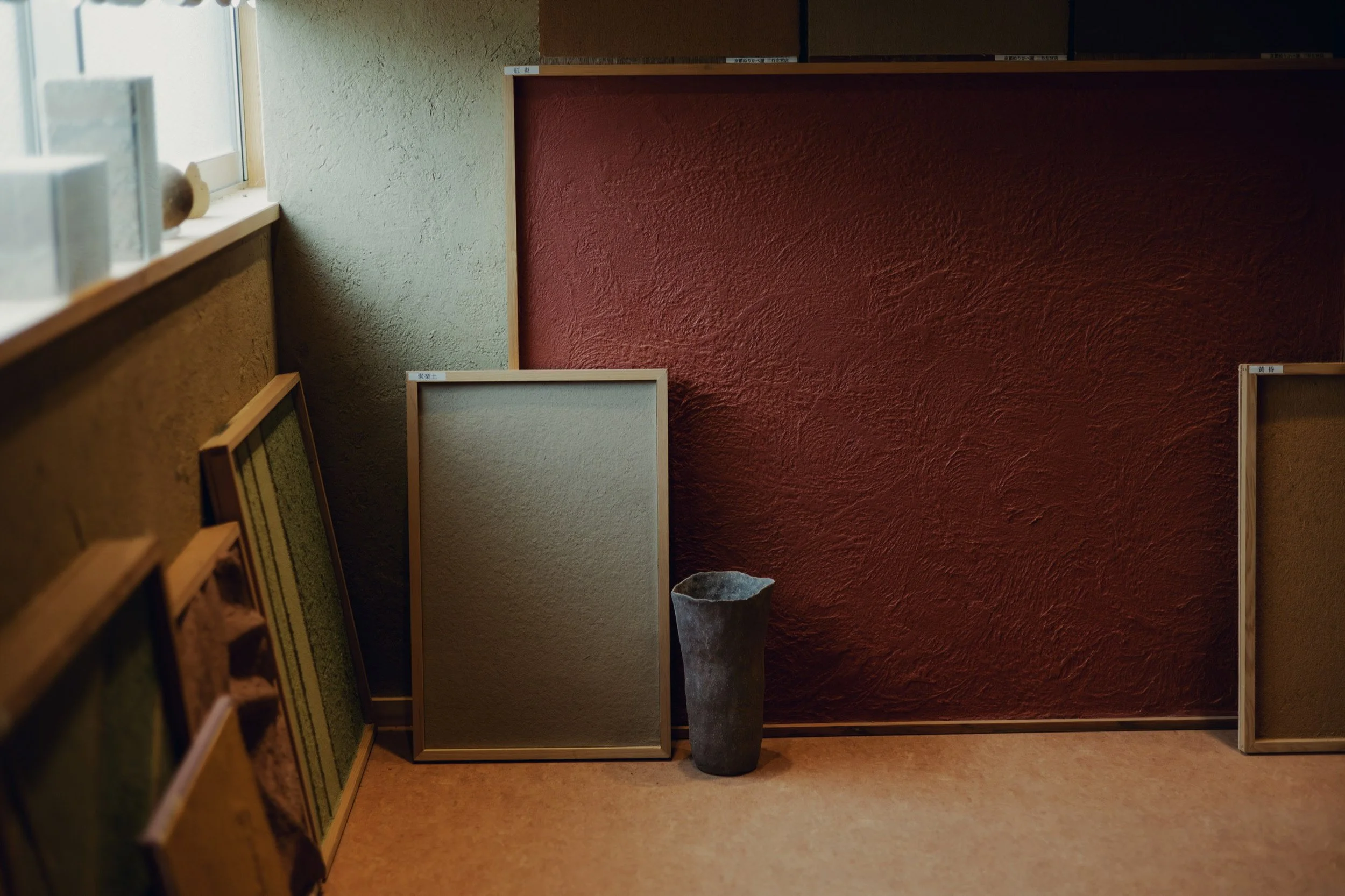
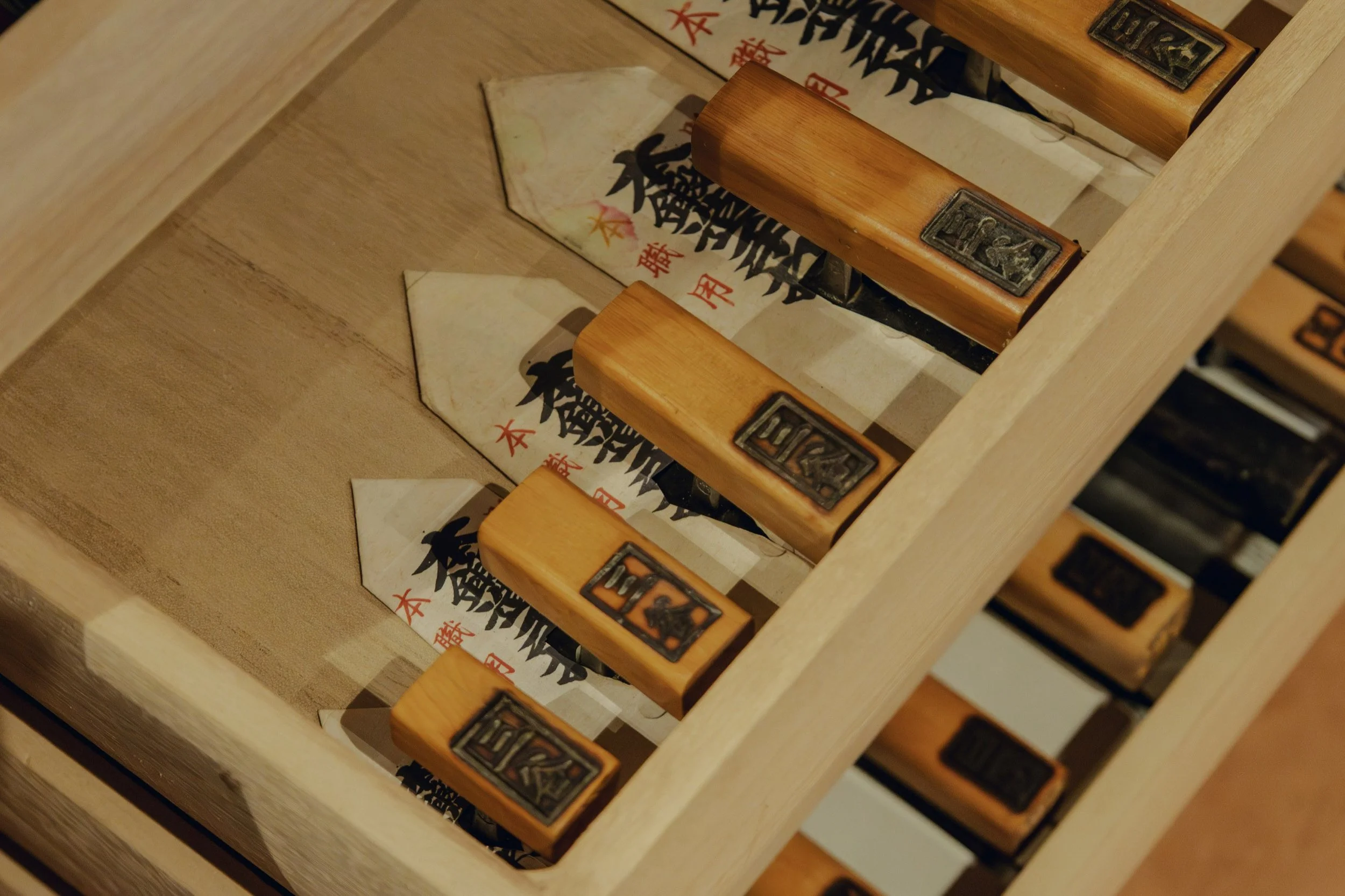
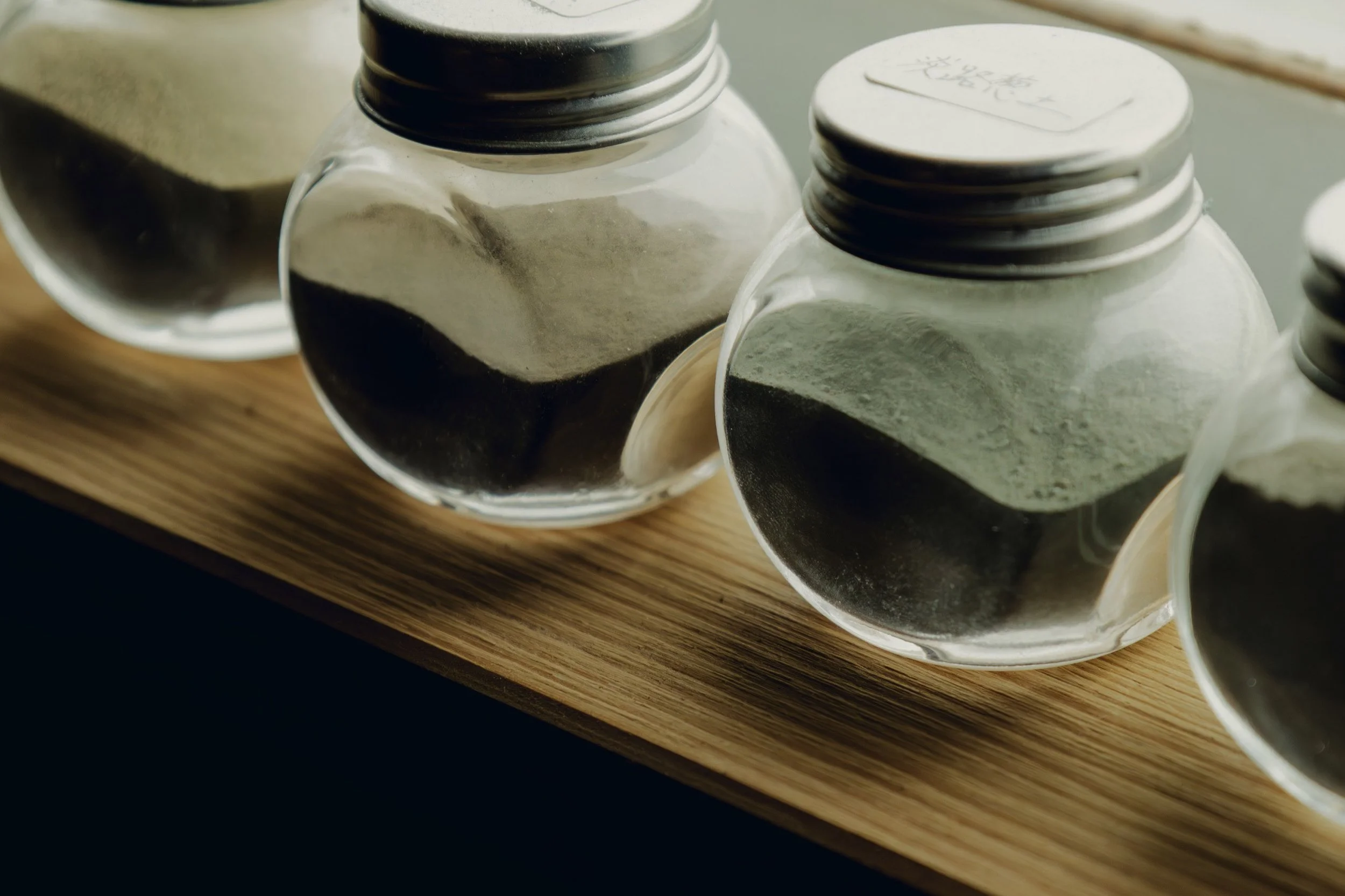
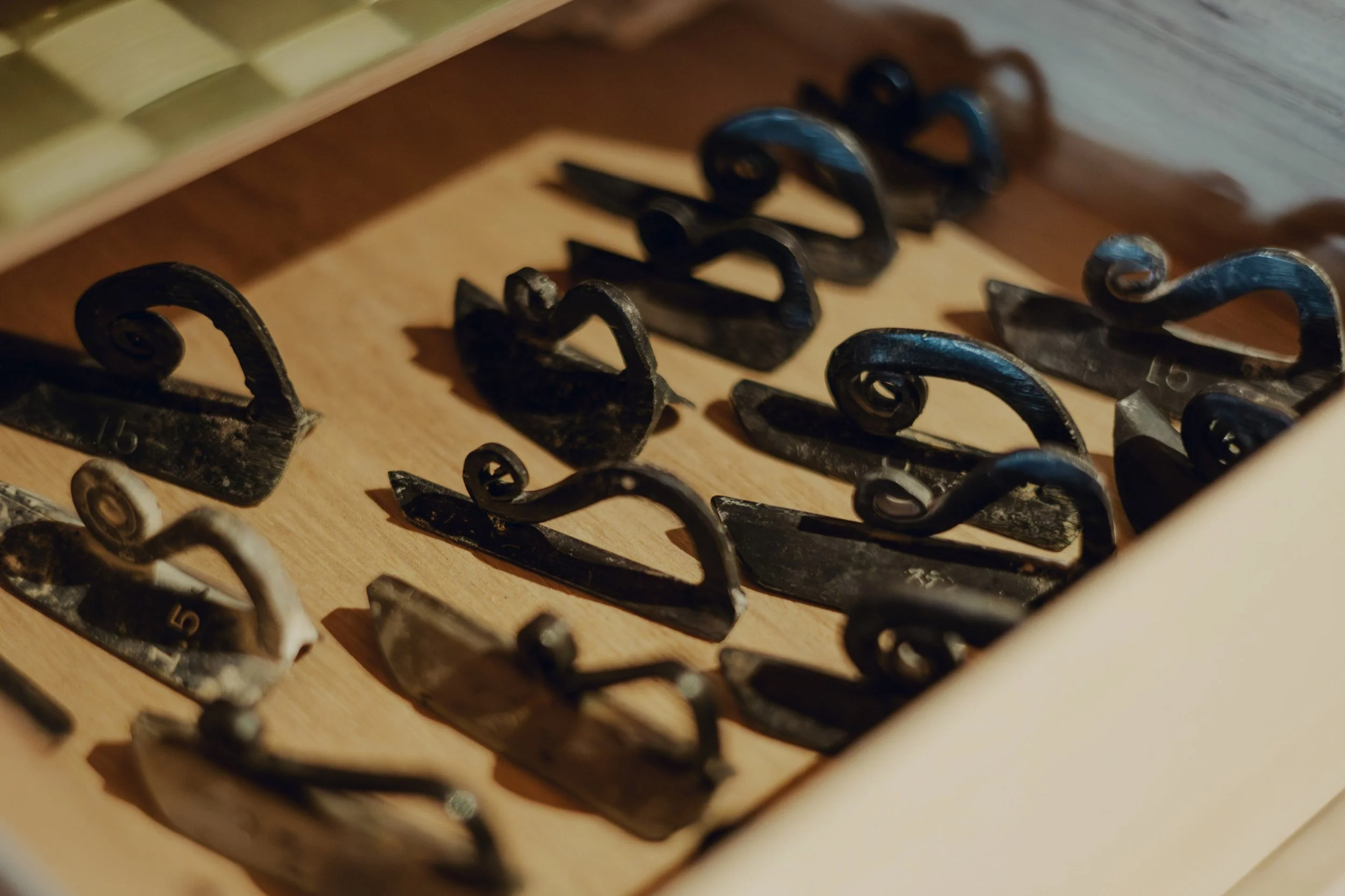
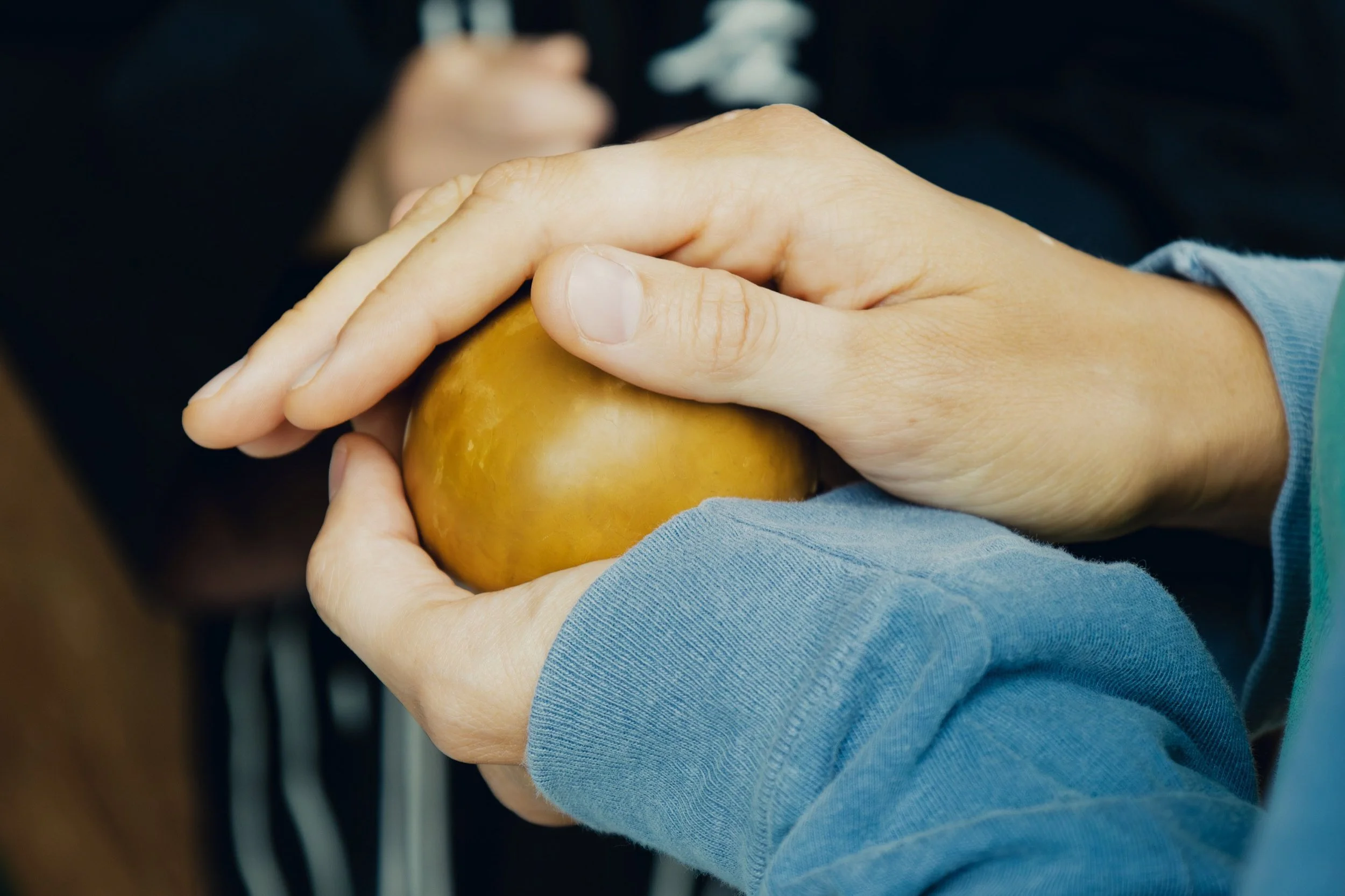
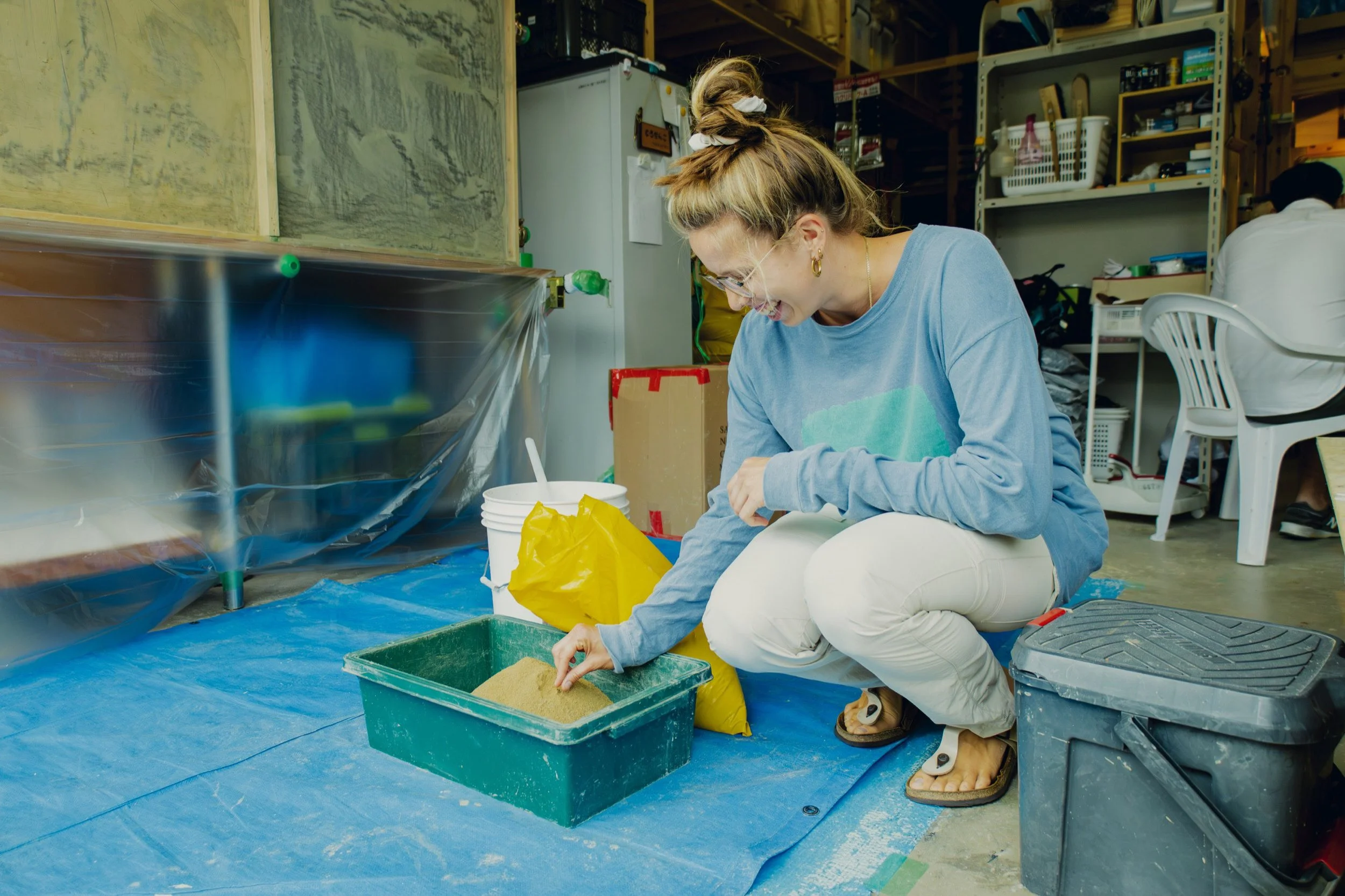
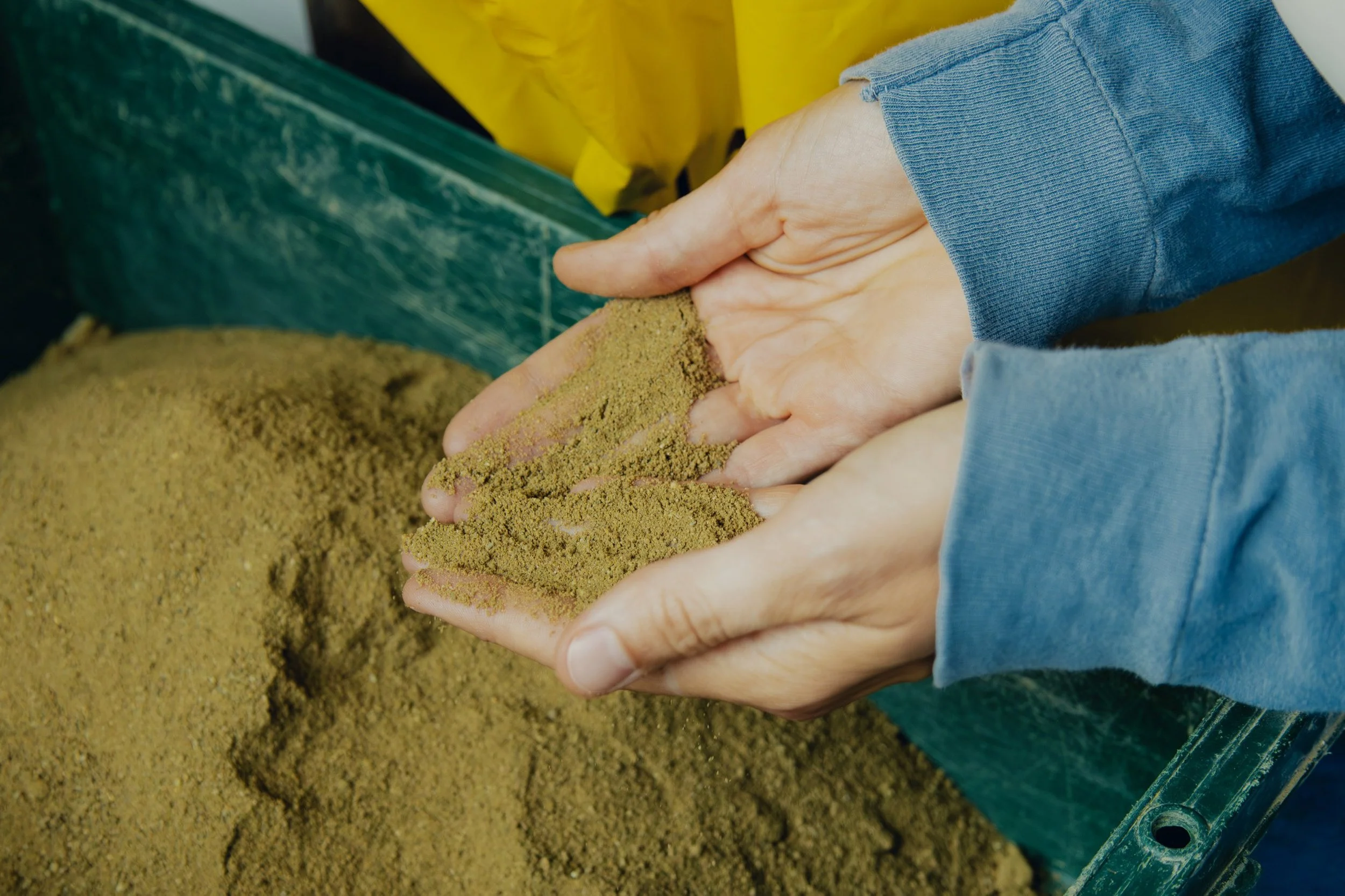
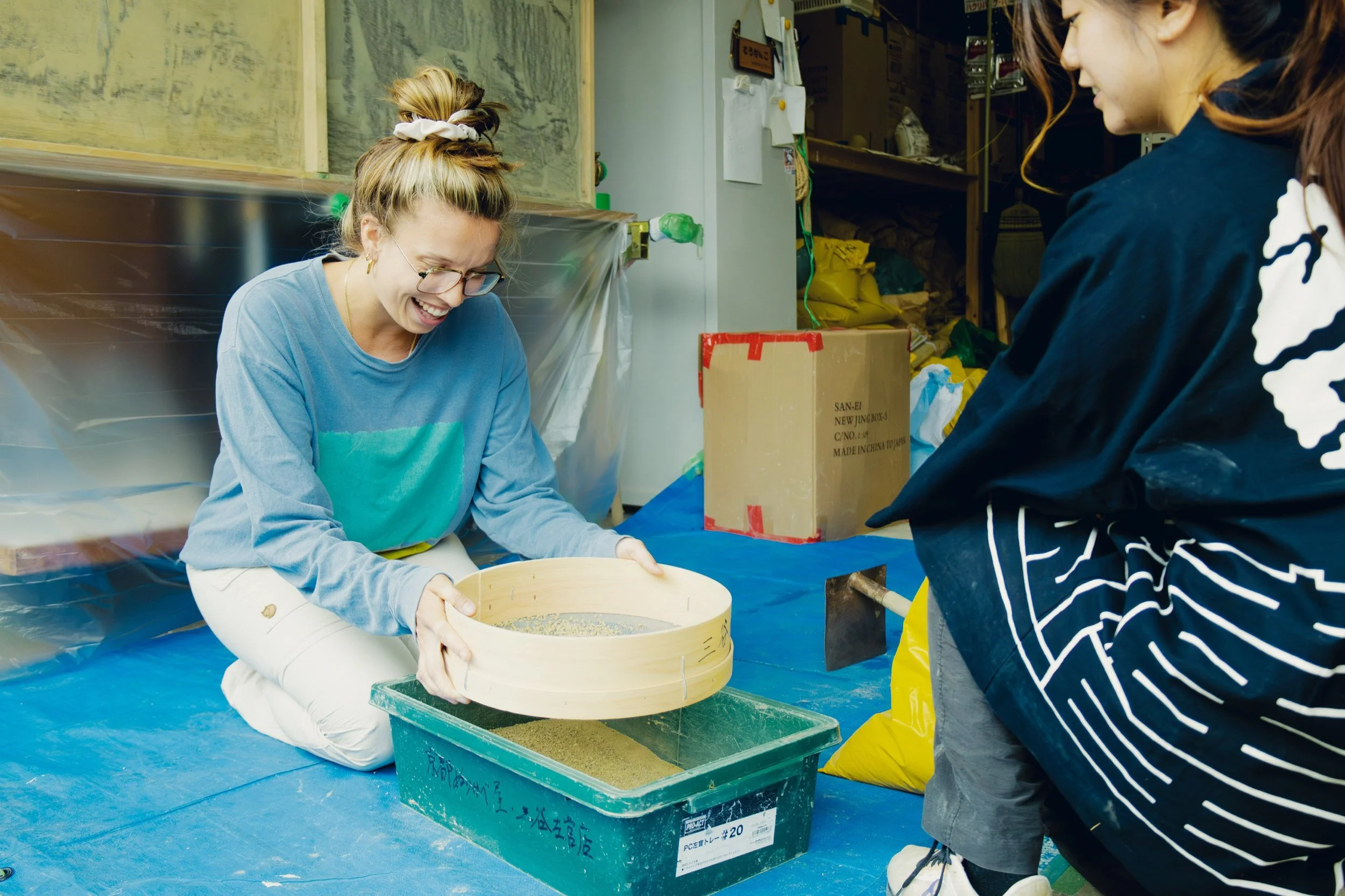
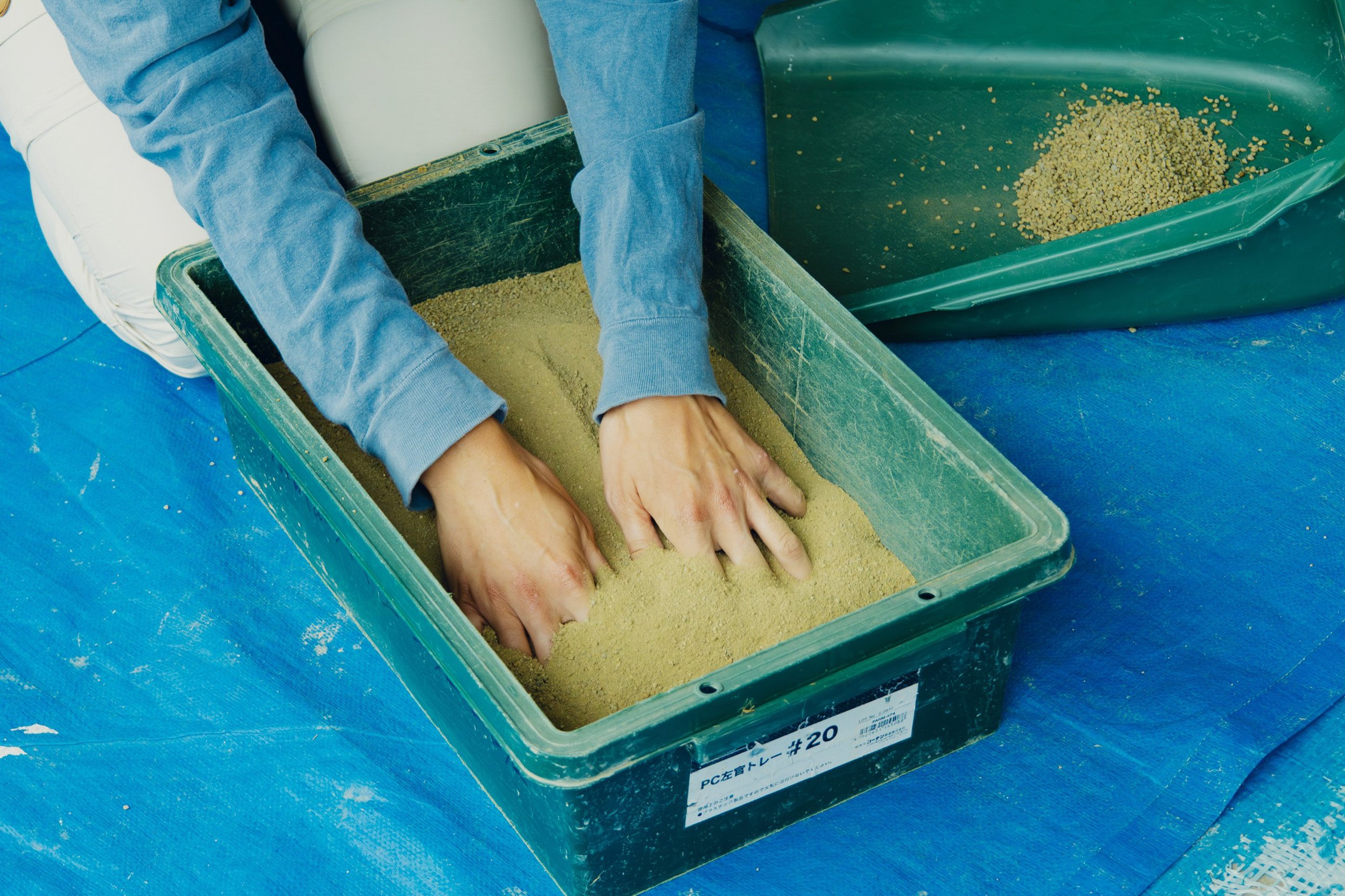
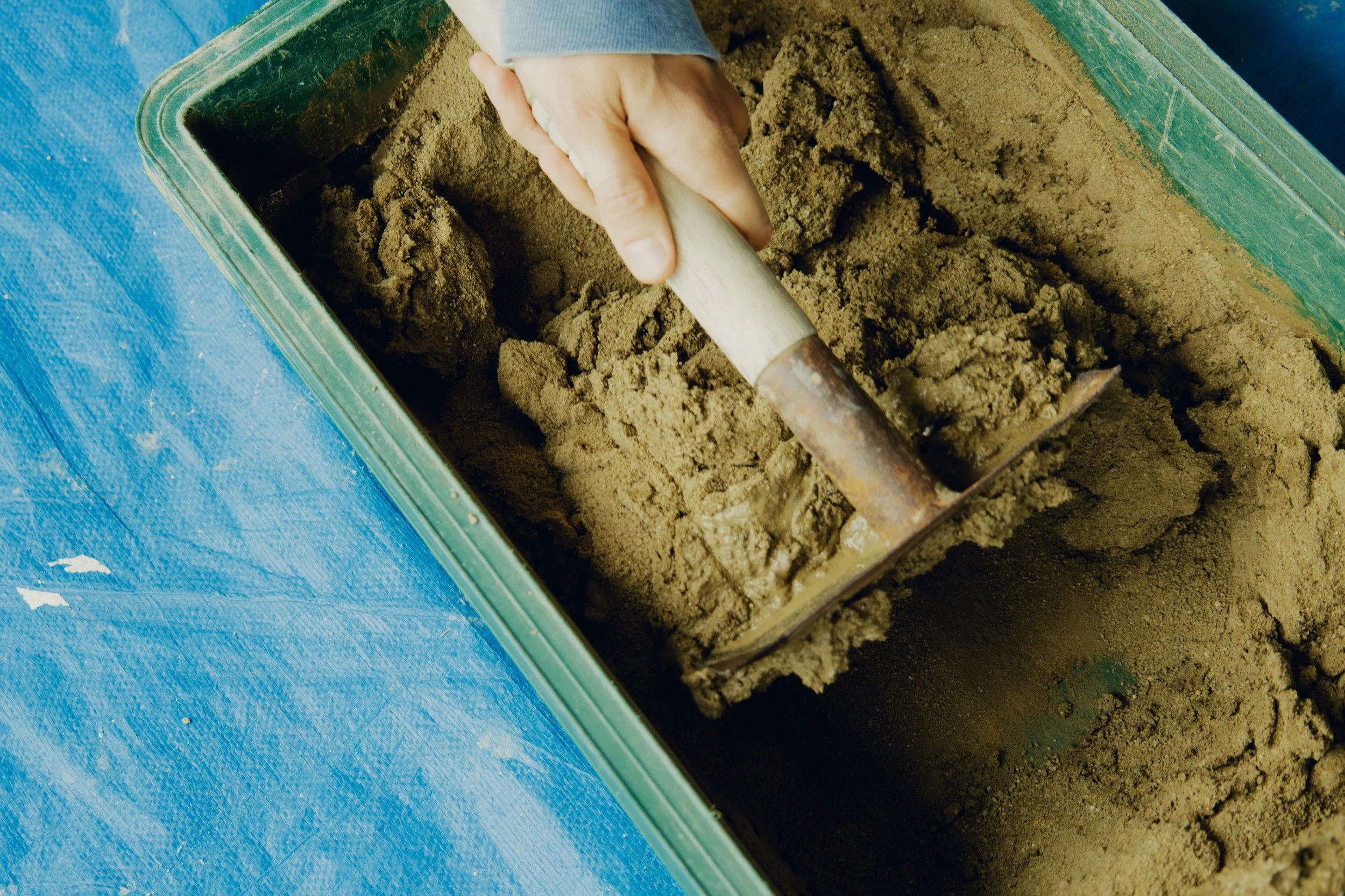
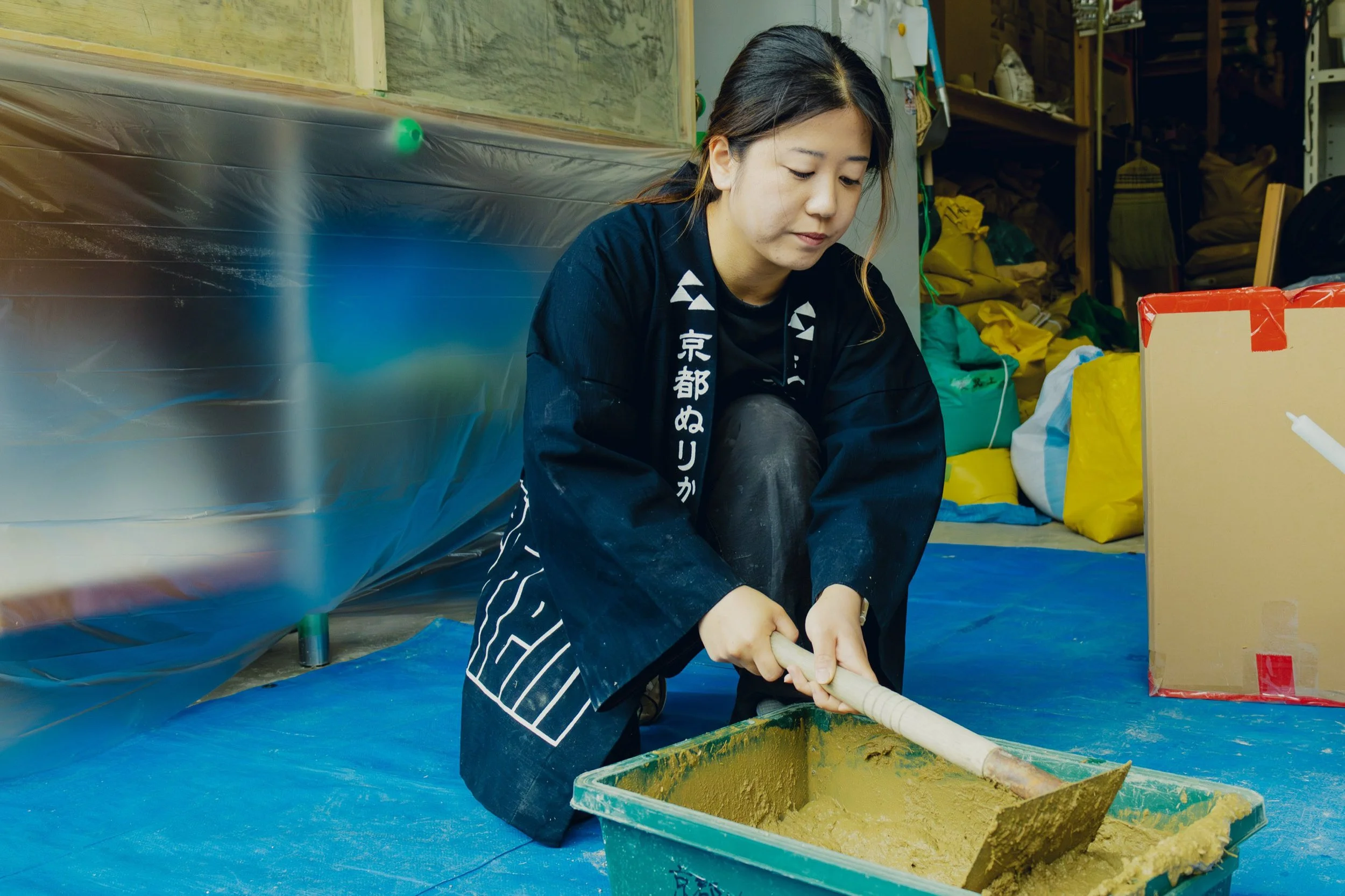
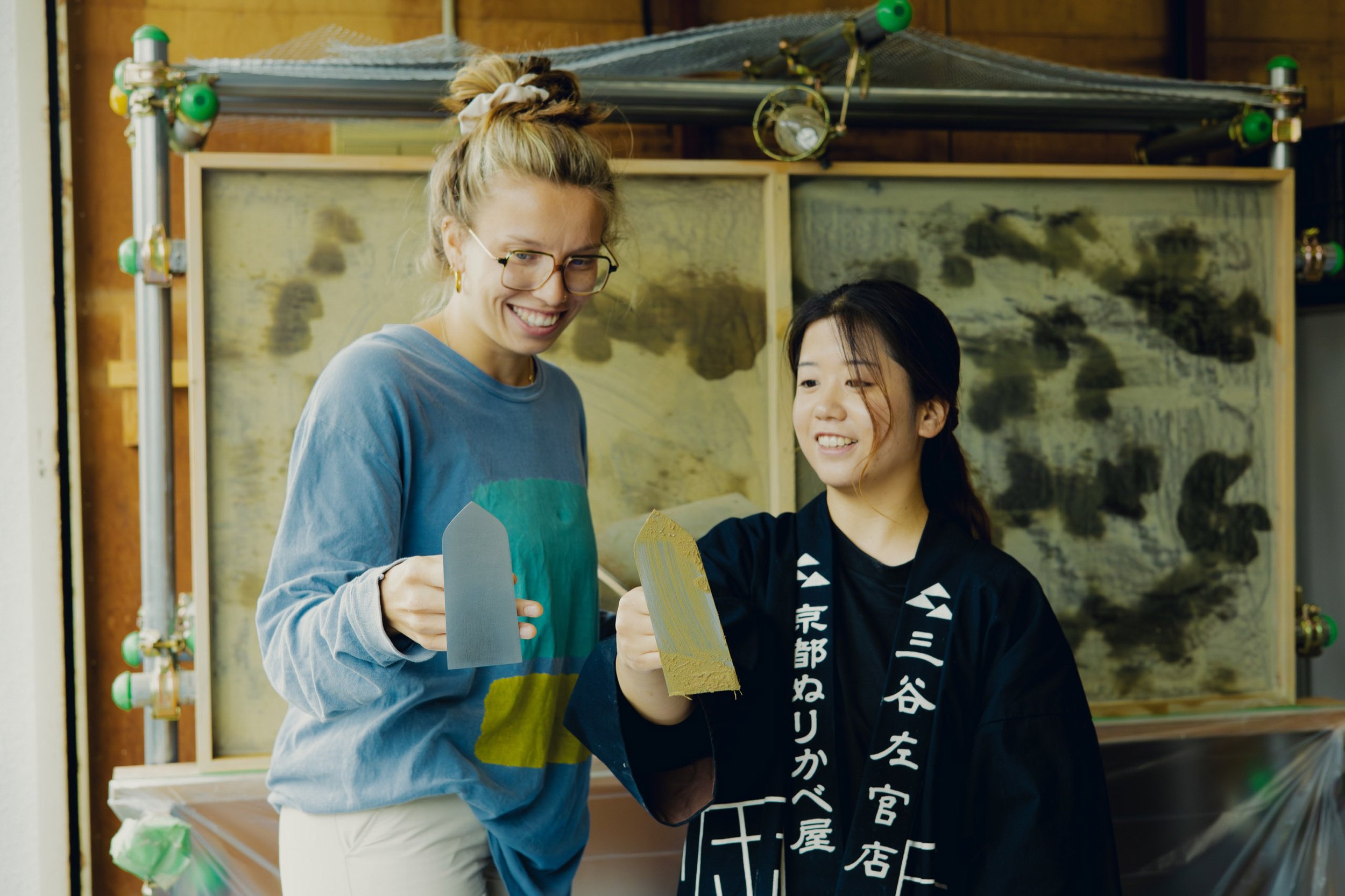
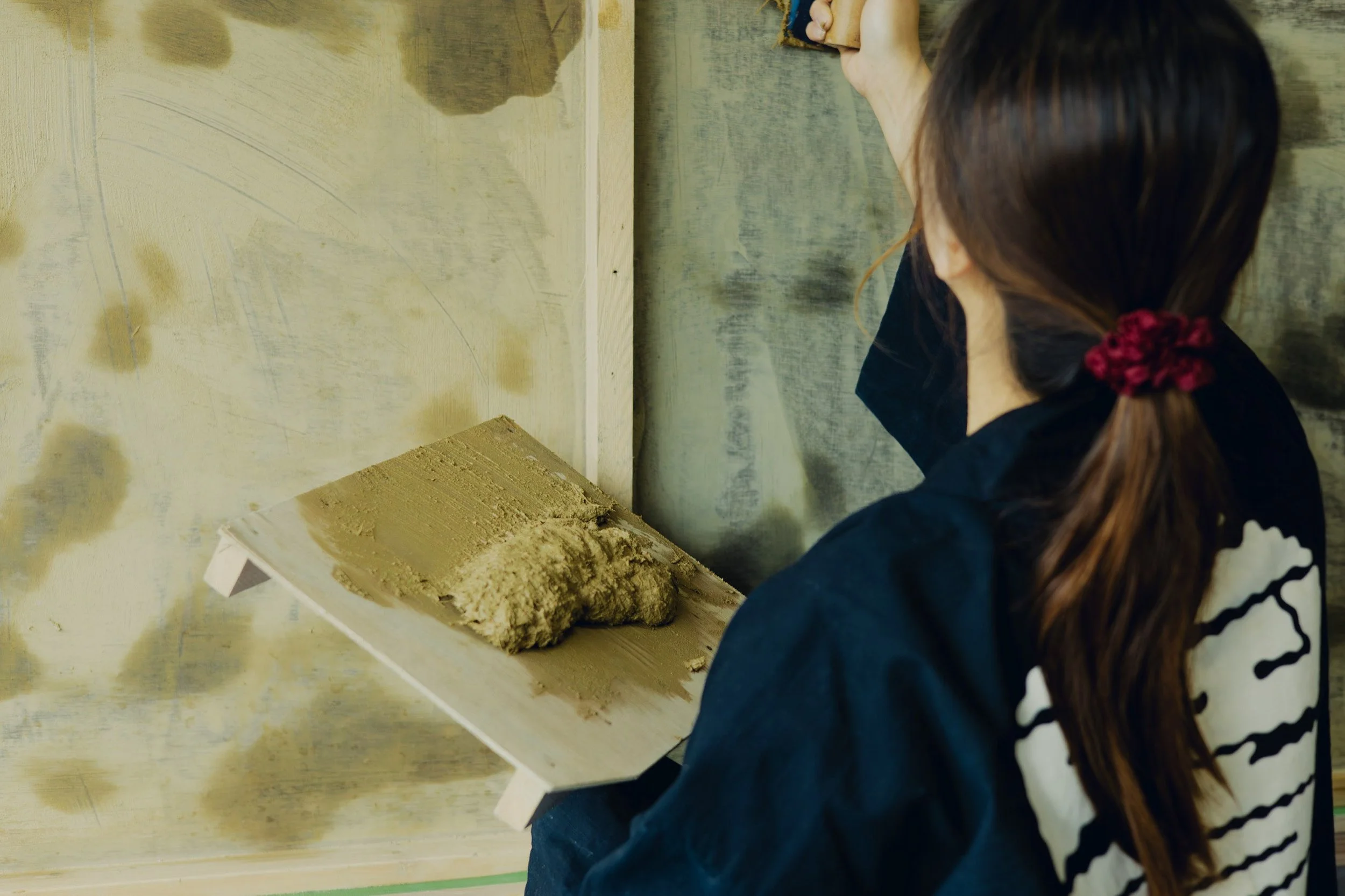
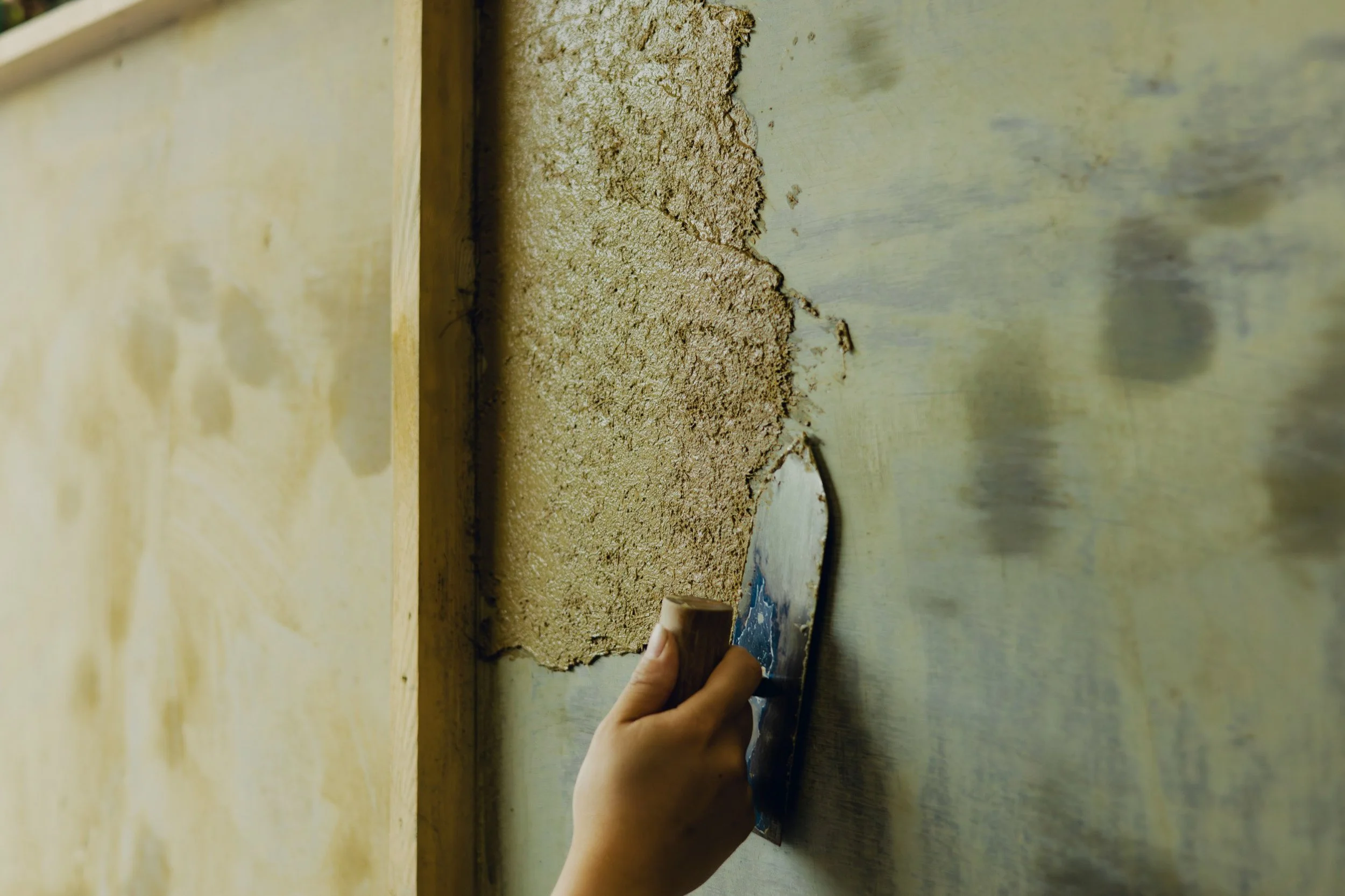
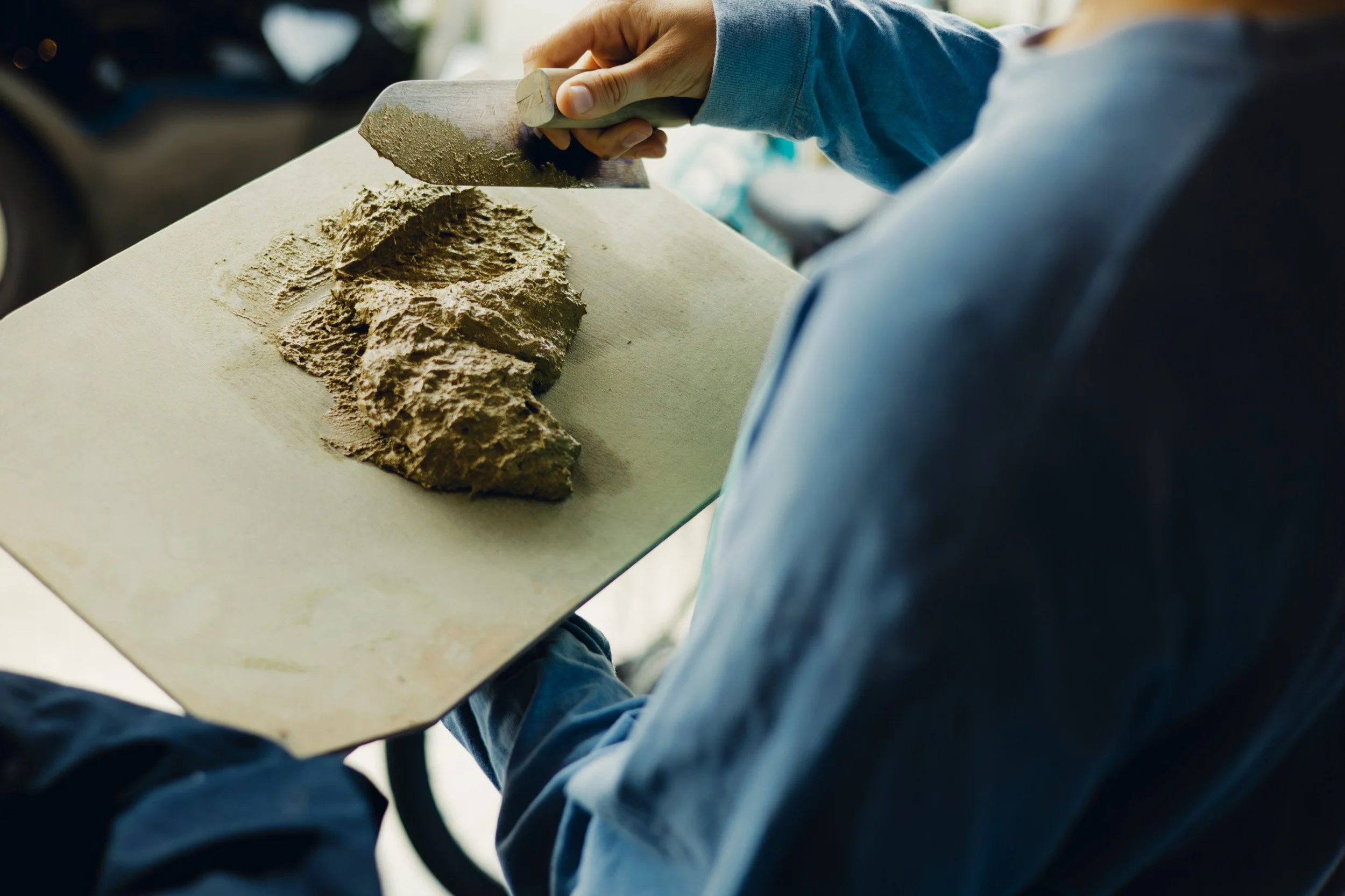
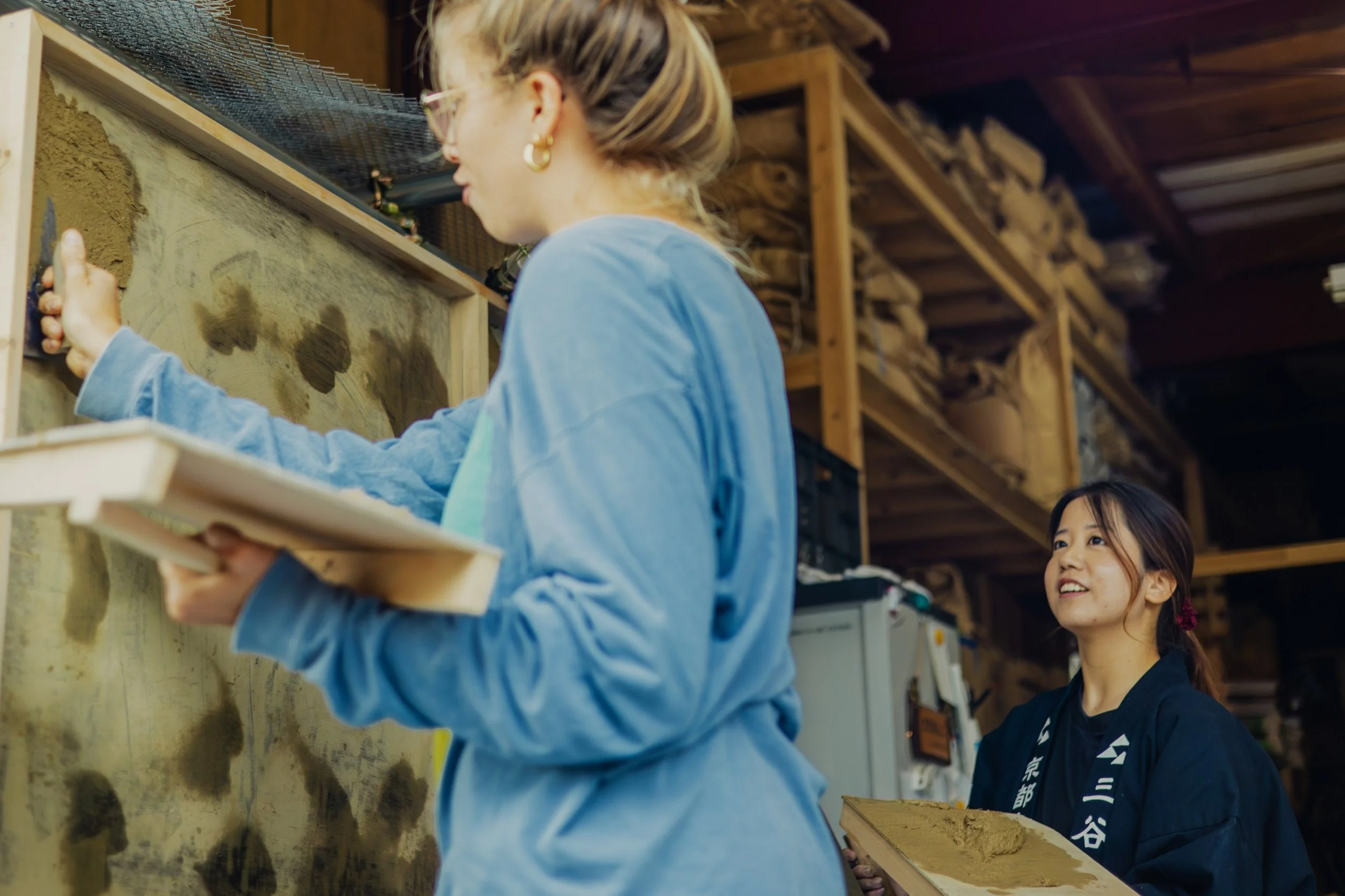
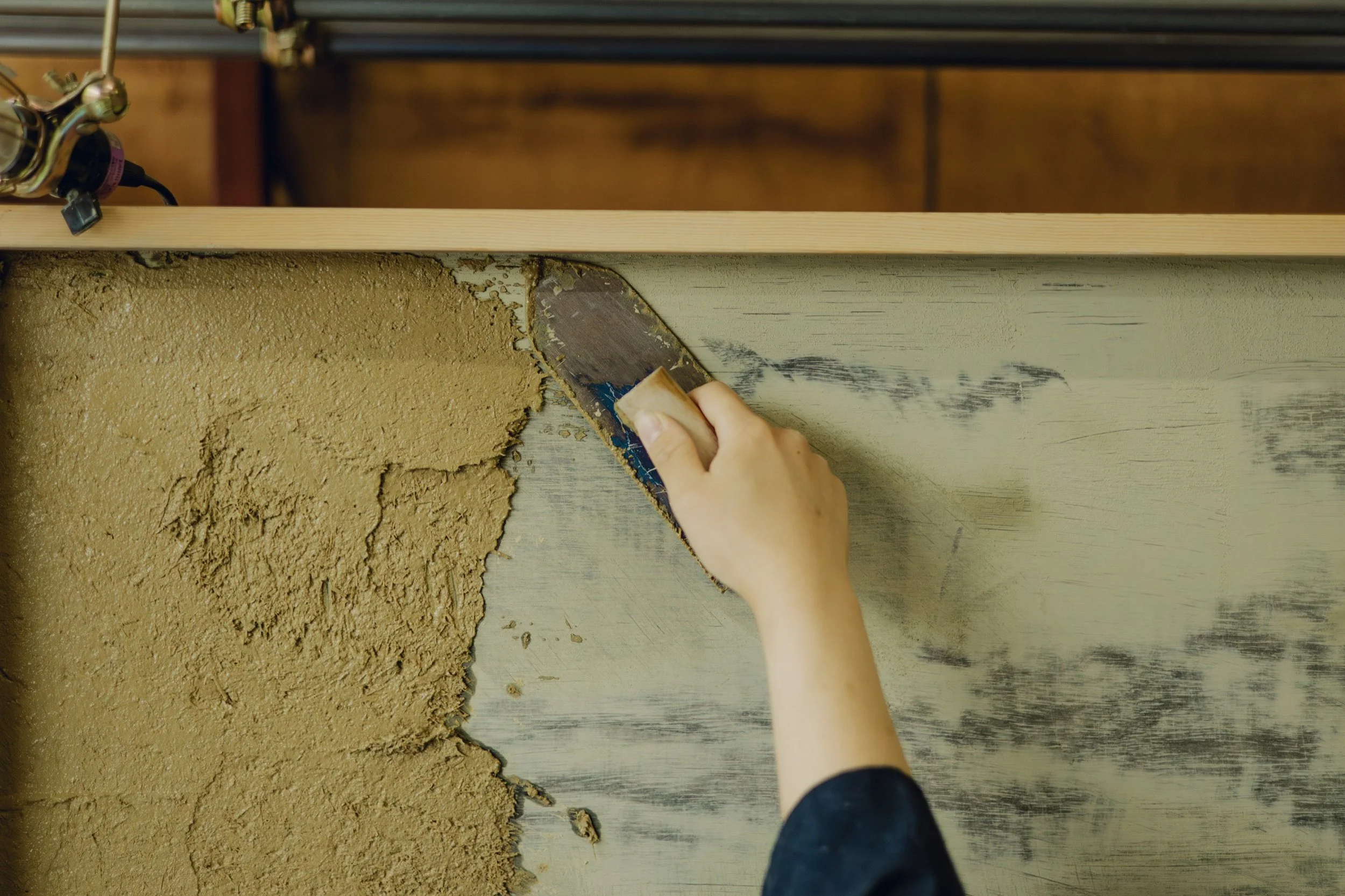
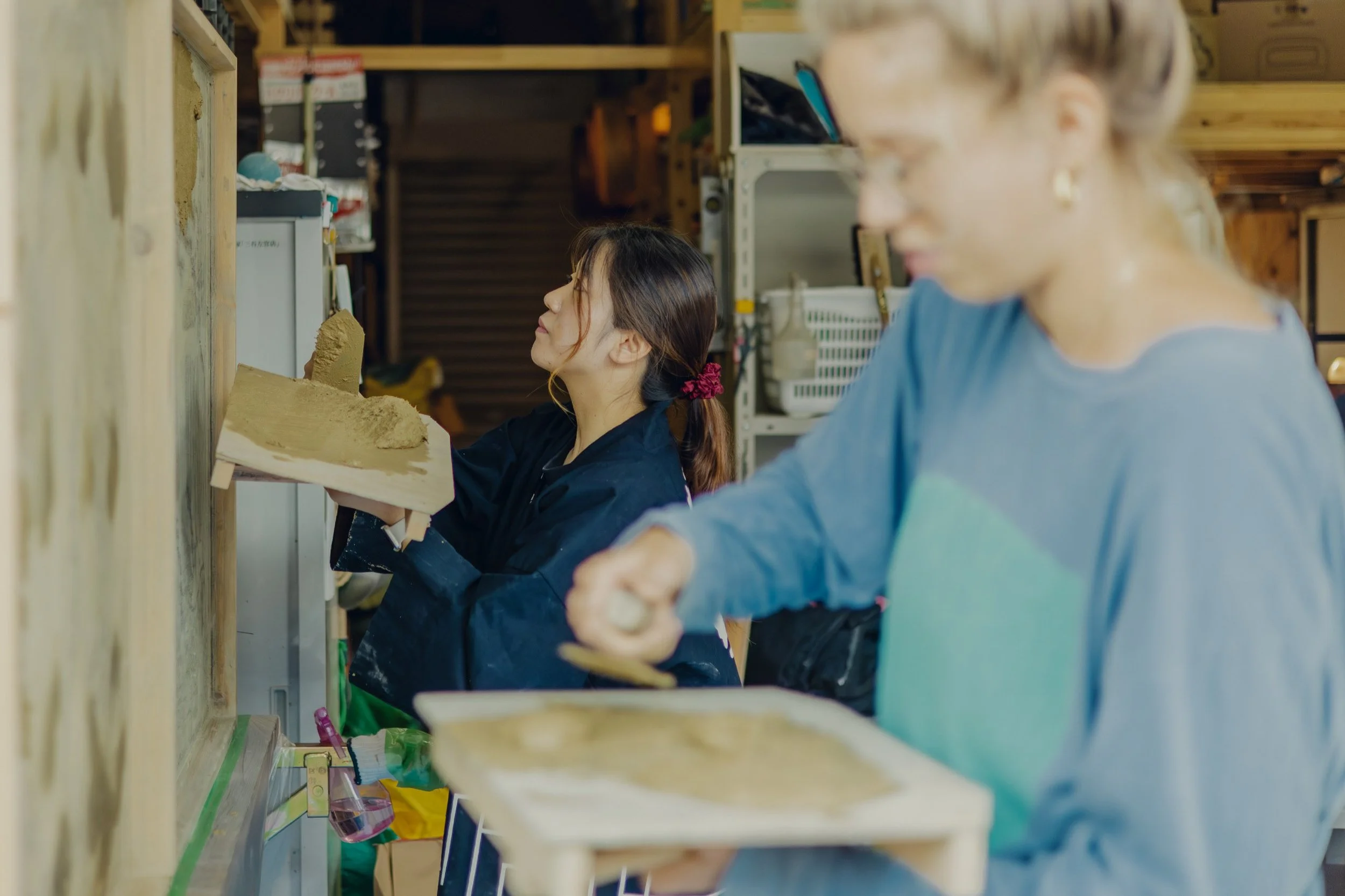
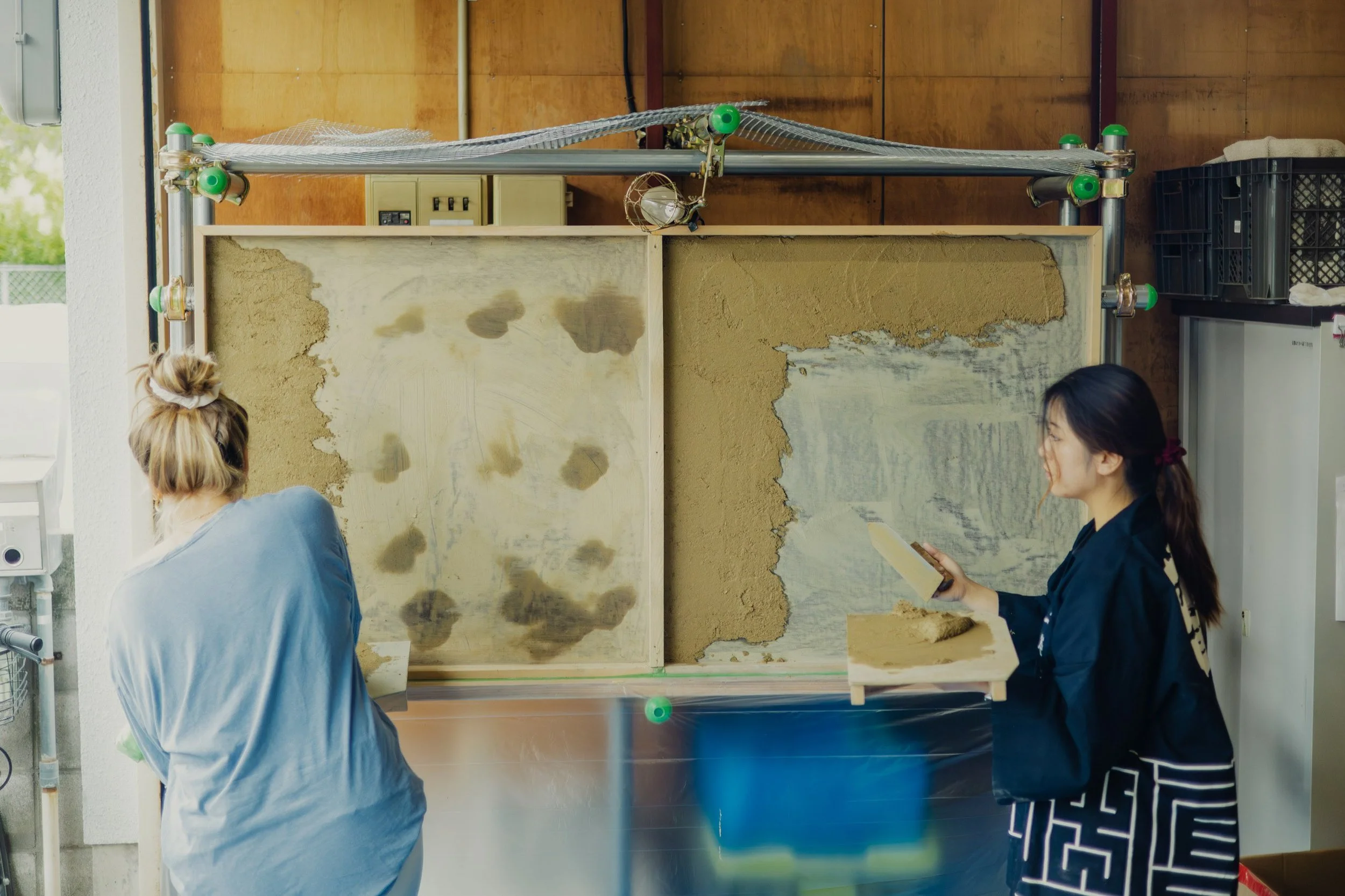
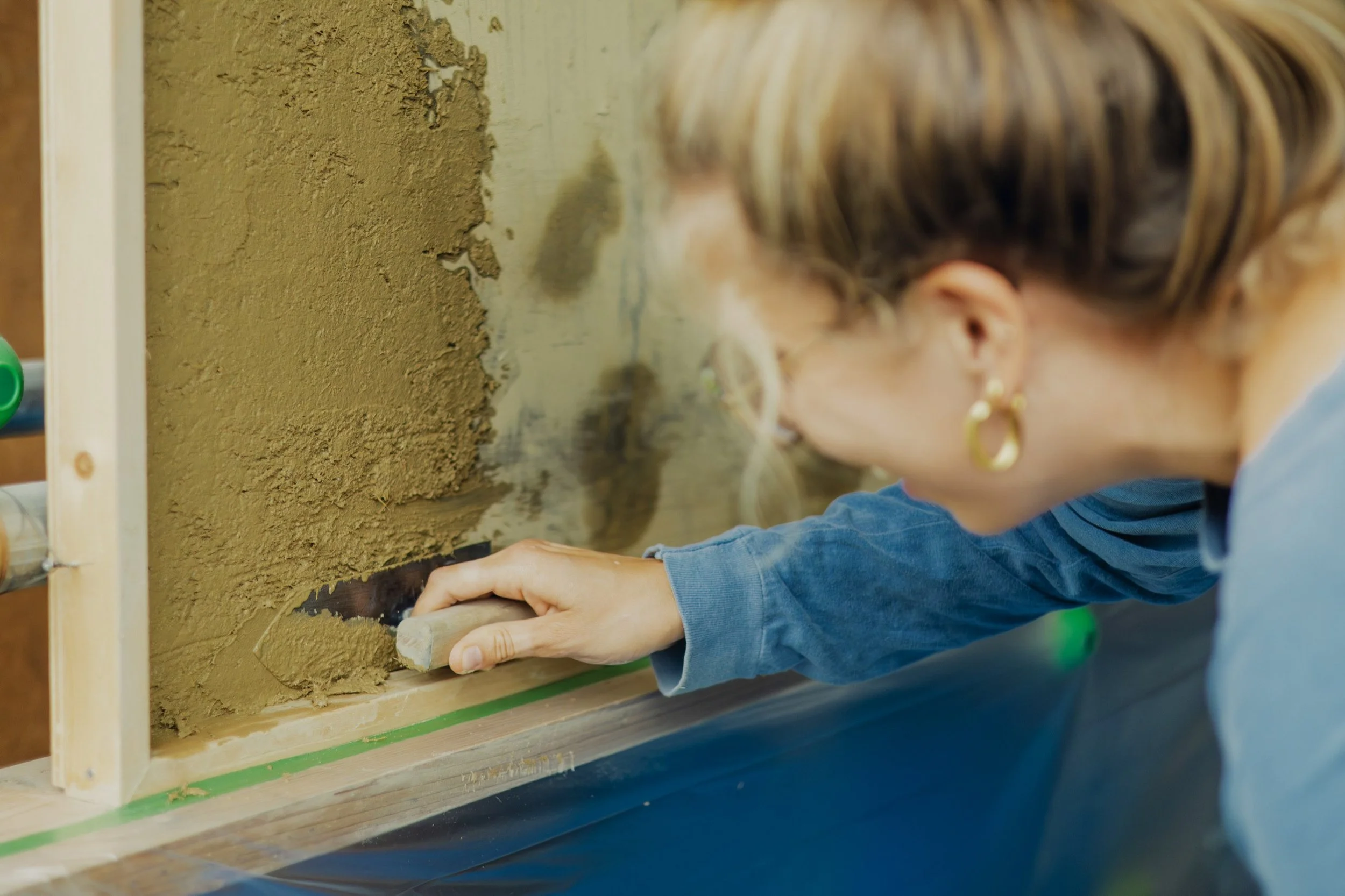
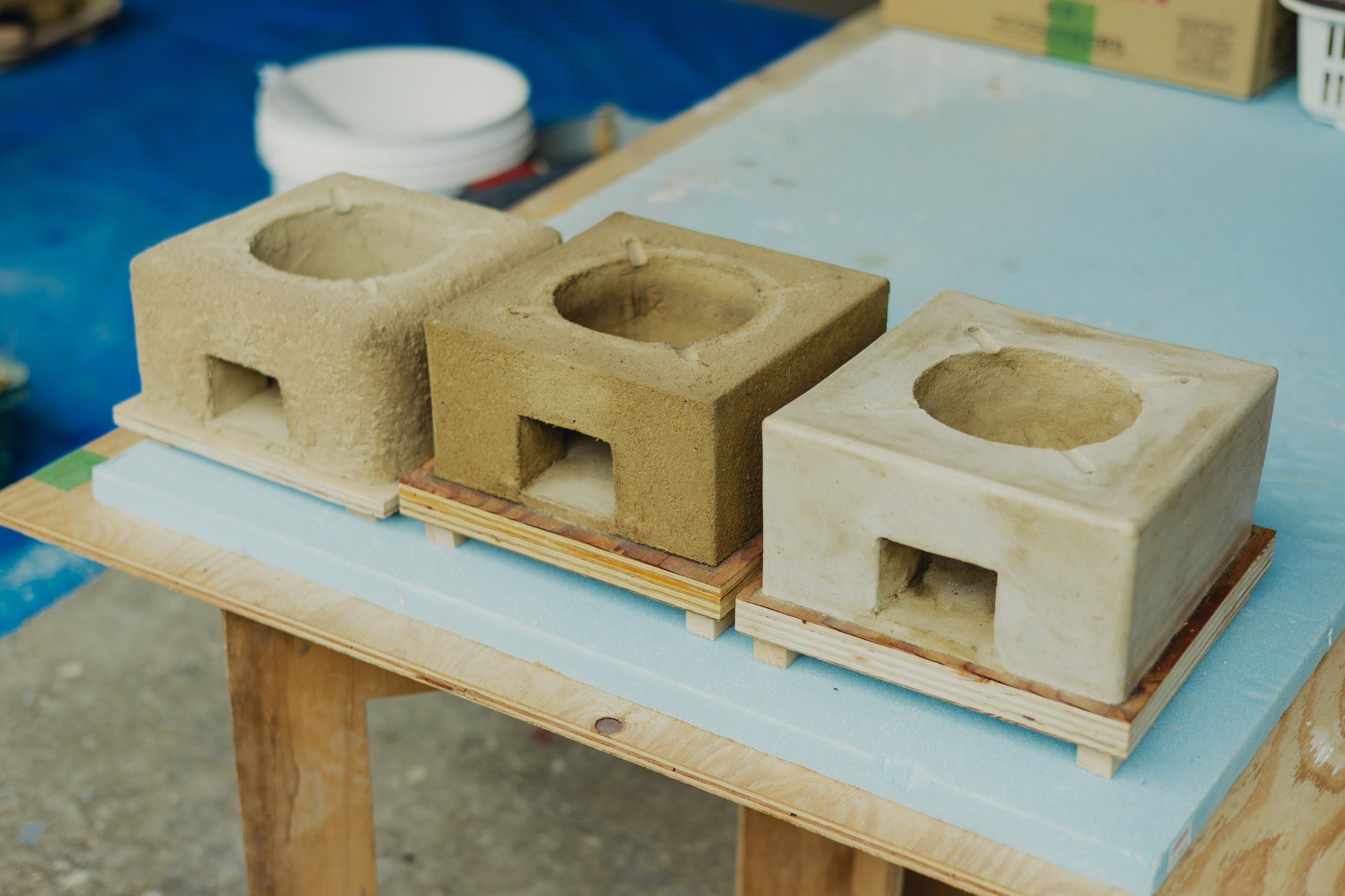
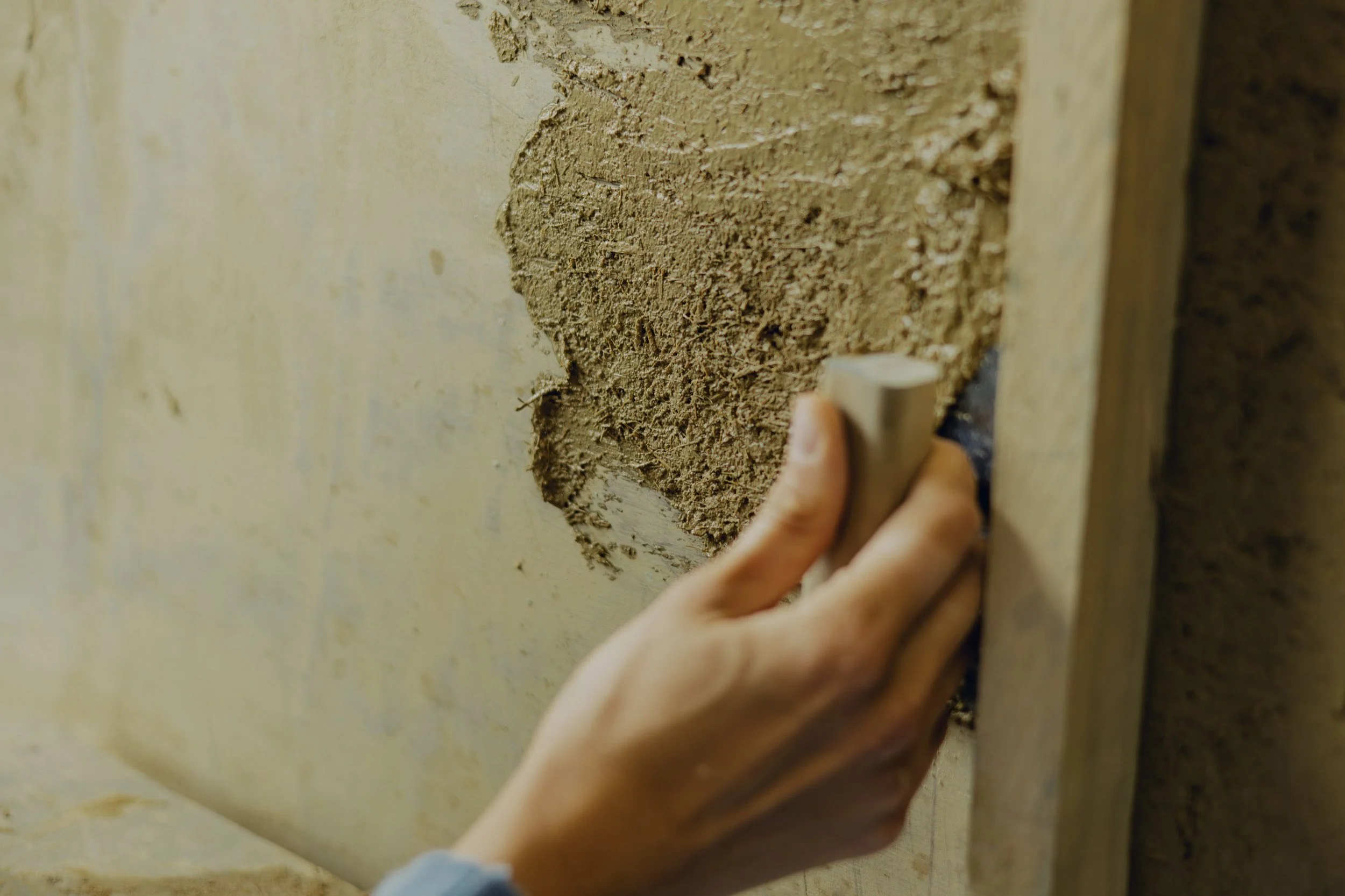
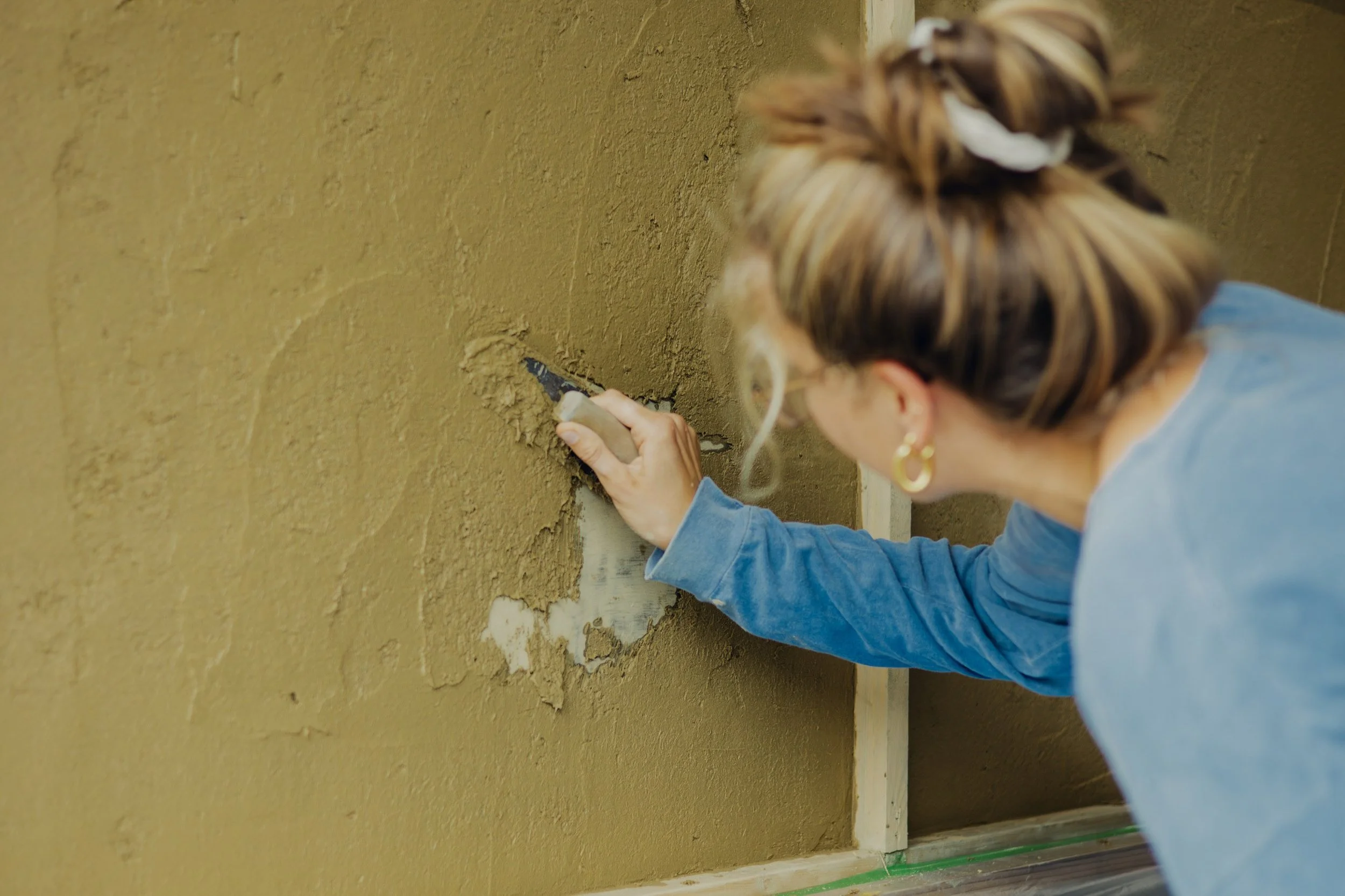
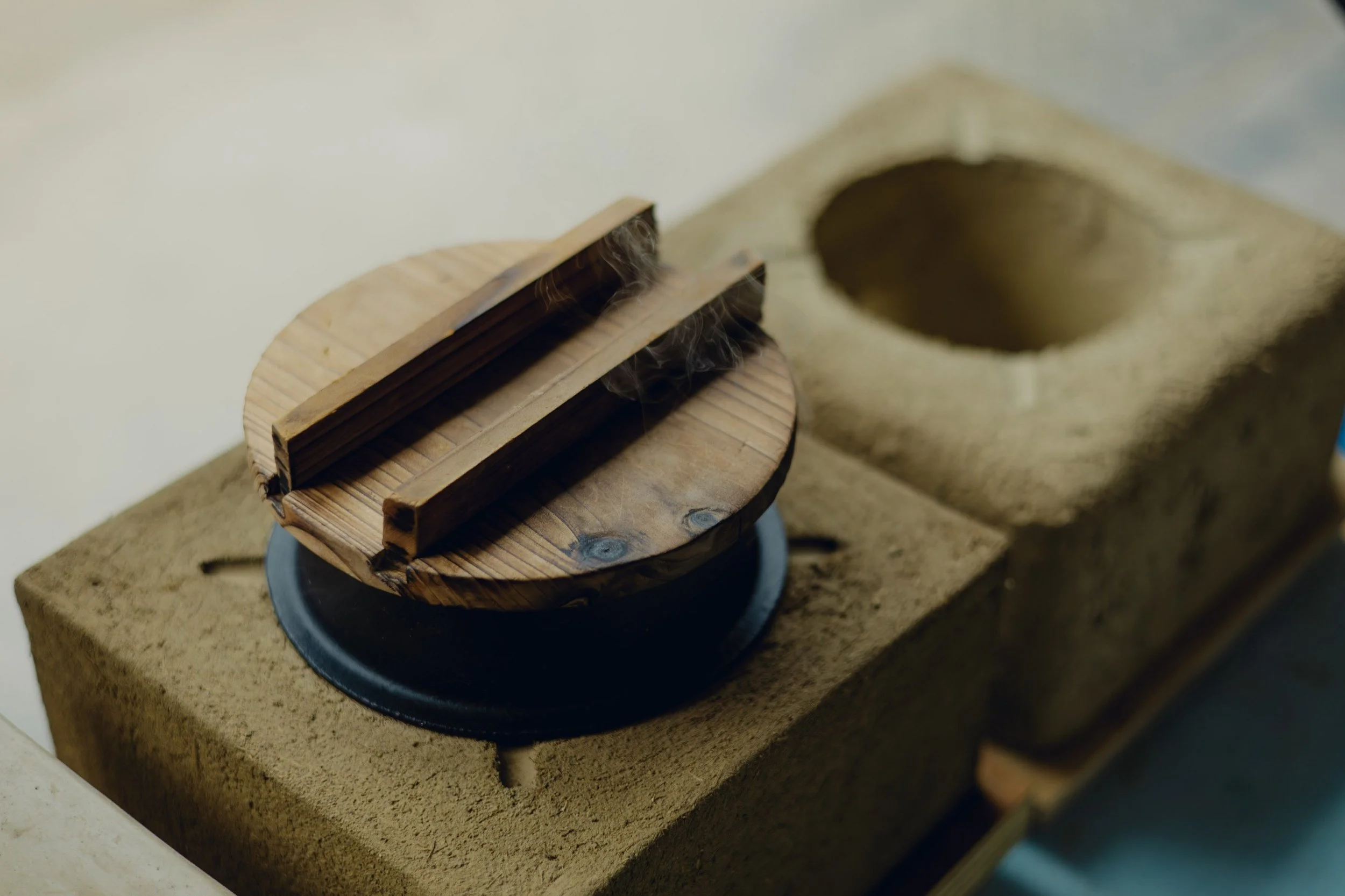
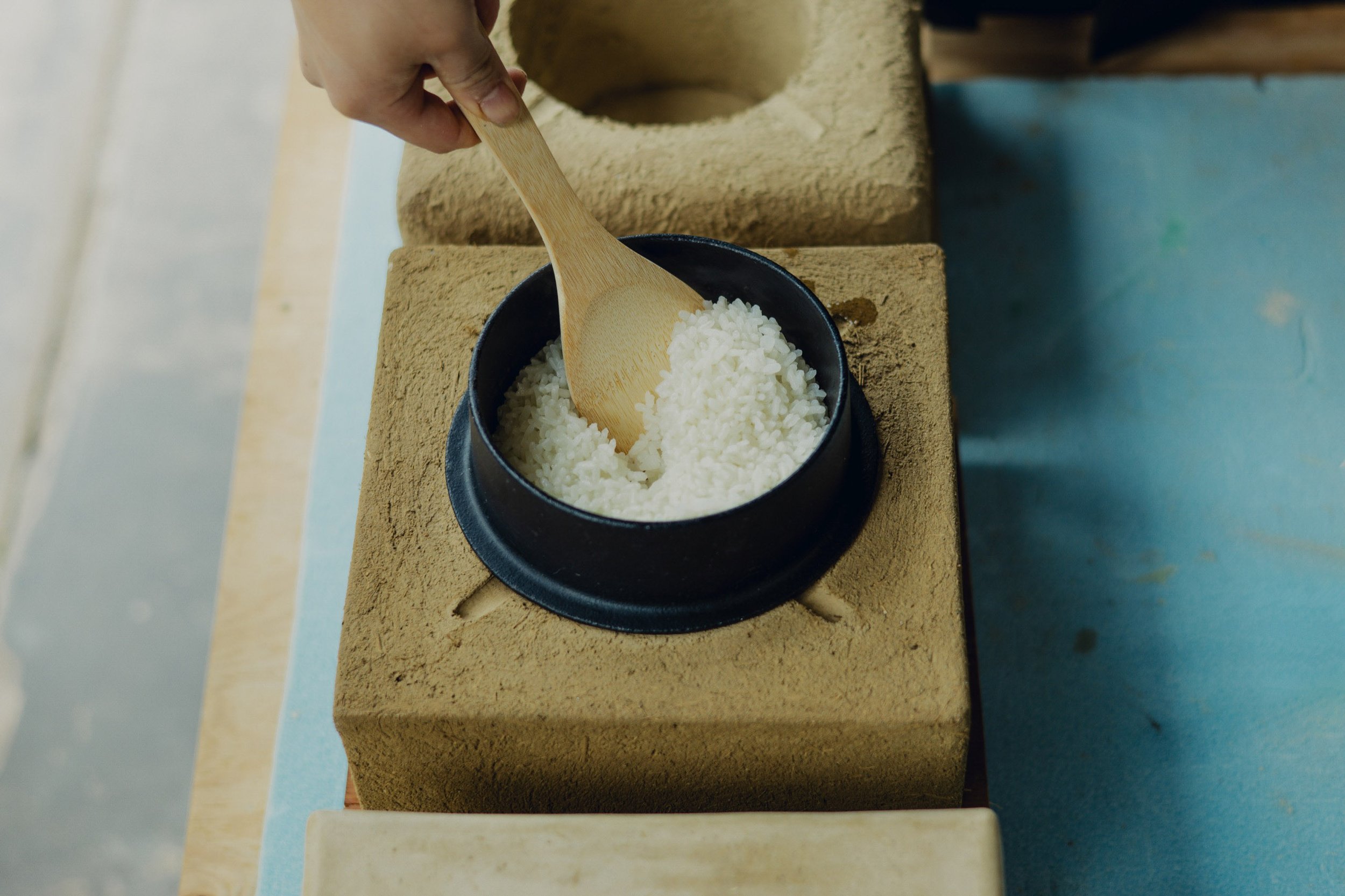
Tour the showroom upstairs and learn about the materials used in traditional sakan plastering. Next, head back downstairs to the work area and mix the materials under the guidance of the master sakan artisan. Break for lunch of roasted fish with rice cooked using a traditional kamado stove. Then, utilizing the tools and techniques of sakan plastering, practice plastering a sample piece of wall.
Availability
Everyday
3 hour session (lunch included):
Session 1 (10:00 - 13:00)
6 hour session (lunch included):
Session 2 (10:00 - 16:00)
Who can attend
Children must be 12+ years old.
What to wear
Clothing that you don’t mind getting dirty and that you can move around in freely.
What else you should know
Please inform us about any dietary requirements, including allergies, at checkout.
Access
30min by car from Kyoto Station.
Layer by Layer
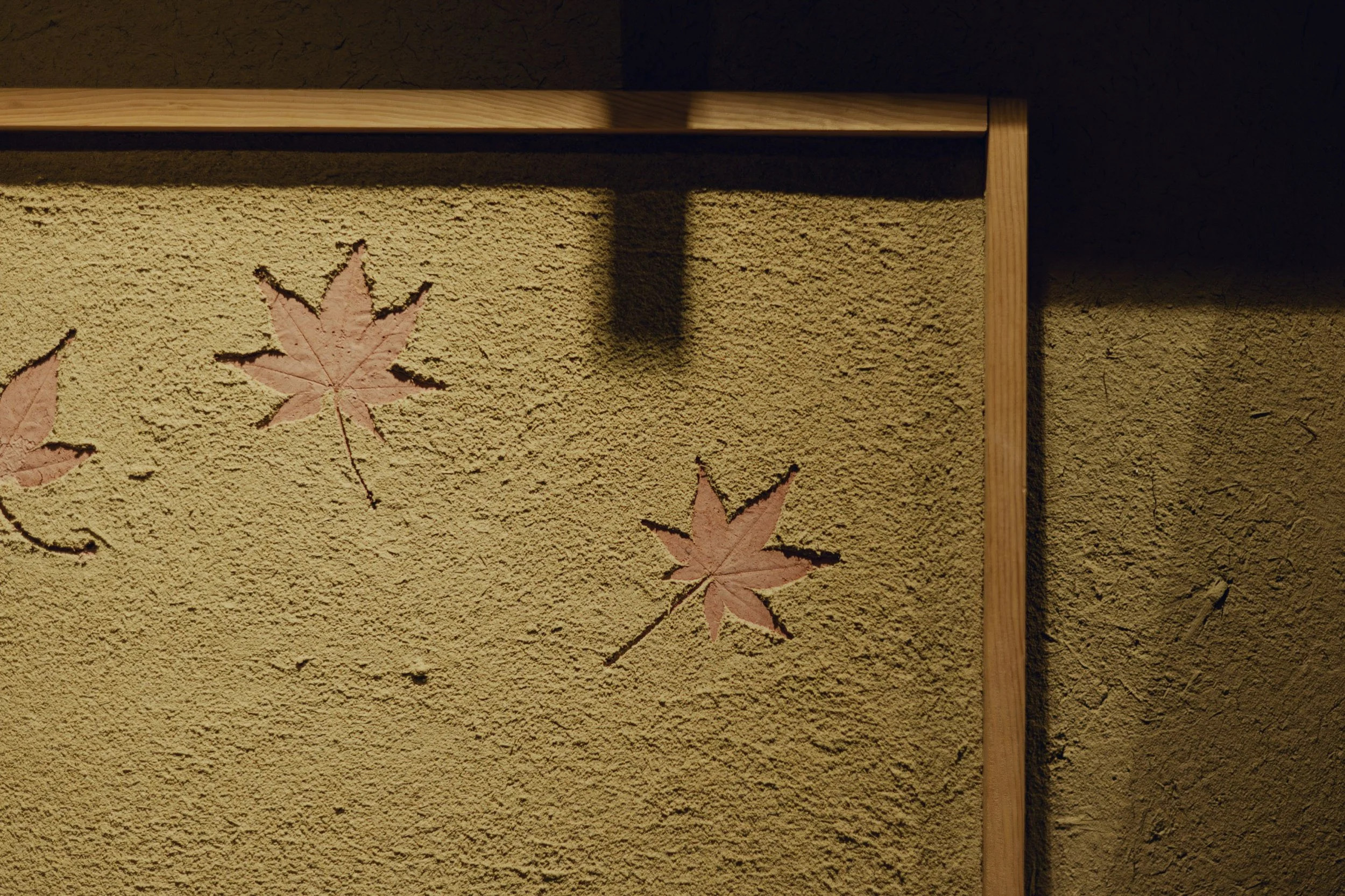
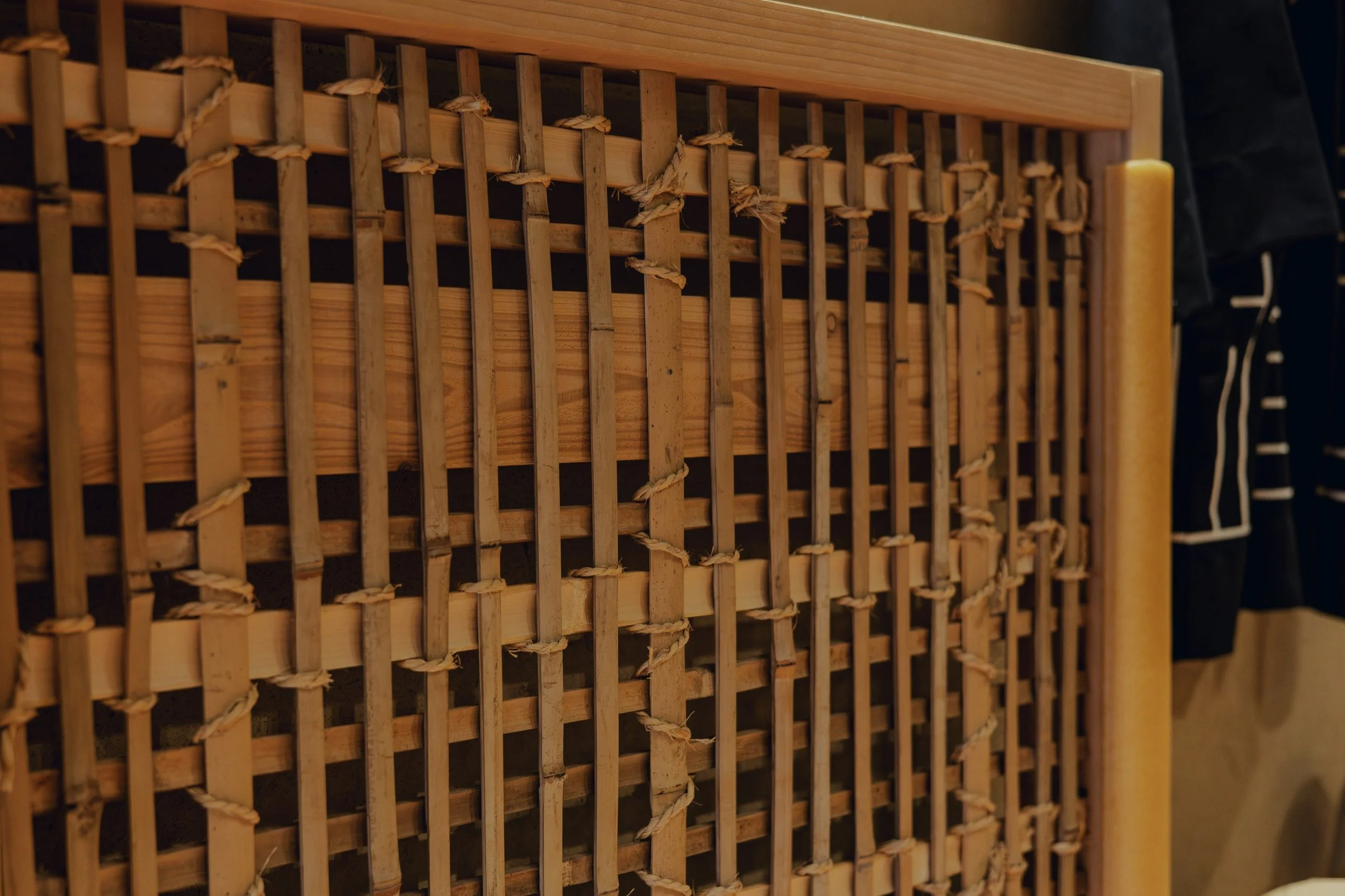
From the towering snow-white outer surfaces of looming castles to the walls of quiet traditional Japanese homes, the skill of the sakan artisan is instrumental in crafting these structures. Traditional Japanese earthen walls are created completely with the natural materials of soil, bamboo, sand, diatom earth, straw, and plaster. The bamboo is the grid-like base of the wall, onto which the mixture of soil, water, and straw is applied as a first base coat. Sand and diatom earth are also added on as layers of the wall: the sand to counteract the shrinkage of the wall layers when they dry, and the diatom earth to allow the wall to naturally regulate humidity in the air and hence, inside the house. The plaster is a finishing touch, the material that makes the outer walls of castles and kura storage buildings strong against flames and physical damage, and often reserved for an elevated finish. With each layer slowly and carefully added, these traditional earthen walls are known to be able to withstand the geologic tremors of the Japanese archipelago. Join a sakan master in his studio workshop and delve into the art and methods of traditional Japanese earthen walls.

Cancellation Policy
Please make your booking at least 1 month in advance. See cancellation policy here.
A detailed itinerary will be emailed to you once your booking has been confirmed.